If a dog bites you and breaks the skin, clean the wound immediately and seek care. Rabies is your first concern, it’s nearly always fatal once symptoms appear, so post-exposure prophylaxis follows days 0, 3, 7, and 14, with immunoglobulin for high-risk exposures. You’ll also need a tetanus review; a booster’s expected if your last dose was over five years ago. Timing, vaccination status, and reporting all shape your treatment, here’s what matters most.
Key Takeaways
- Rabies is almost always fatal once symptoms appear, so immediate risk assessment after a bite is critical.
- Post-exposure prophylaxis follows a vaccine schedule on days 0, 3, 7, and 14, with immunoglobulin for high-risk cases.
- Rabies treatment can be stopped if the dog is observed rabies-free during a 10-day quarantine period.
- Dog bites count as contaminated wounds, requiring a tetanus booster if your last dose was over five years ago.
- Clean the wound immediately, seek medical evaluation, and report the bite to animal control for community surveillance.
Why rabies is the first concern after a bite
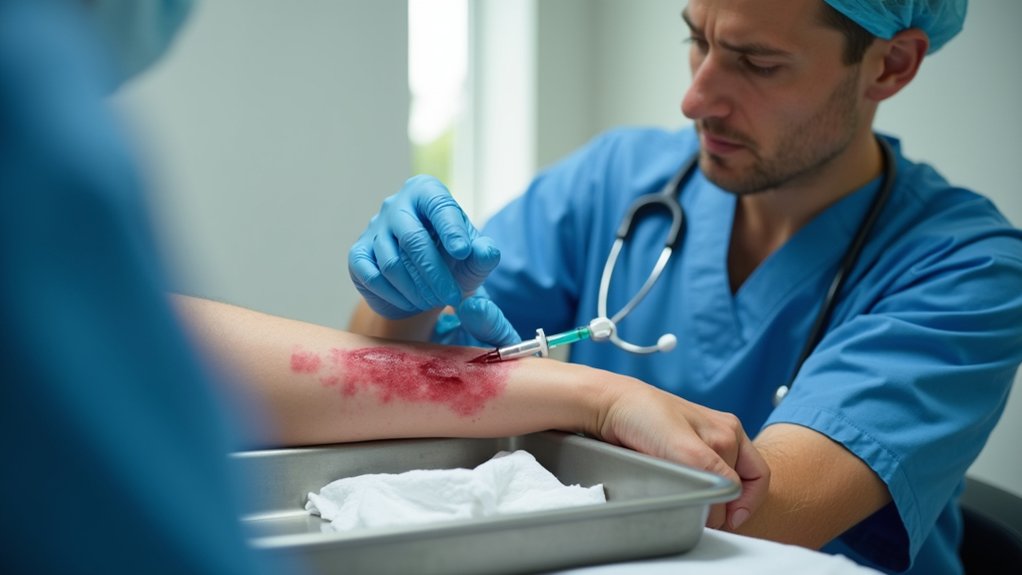
Rabies tops the list of concerns after a dog bite because it’s a viral disease of the central nervous system, and it’s almost always fatal once symptoms appear. That lethality makes early risk assessment critical. You can’t afford to wait, because treatment works only before the disease sets in. Your provider evaluates the dog’s vaccination status, the local rabies prevalence, and the bite circumstances. If the animal can’t be quarantined and observed for 10 days, immunization is recommended, and you can stop treatment later if the dog is shown to be rabies-free. Post-exposure prophylaxis follows vaccination on days 0, 3, 7, and 14, with immunoglobulin added for high-risk individuals. Bites near the brain warrant immediate prophylaxis given the shorter window to intervene.
How rabies risk is assessed
Your provider decides whether you need rabies shots based on three factors: the animal’s health and vaccination status, local rabies prevalence, and whether the dog can be observed for 10 days. If the animal can’t be quarantined or reliably assessed, or if you’re in a rabies-endemic area, post-exposure prophylaxis is recommended.
| Assessment Factor | Clinical Significance |
|---|---|
| Animal’s vaccination/health status | Guides whether the dog poses a credible rabies threat |
| 10-day observation feasibility | Lets you stop treatment if the animal stays healthy |
| Bite location | Bites near the brain warrant immediate prophylaxis |
Abnormal animal behavior, such as hypersalivation, seizures, paralysis, or irritability, triggers immunoglobulin plus vaccine. You can stop treatment later if the animal’s shown to be rabies-free.
The rabies shot: what to expect
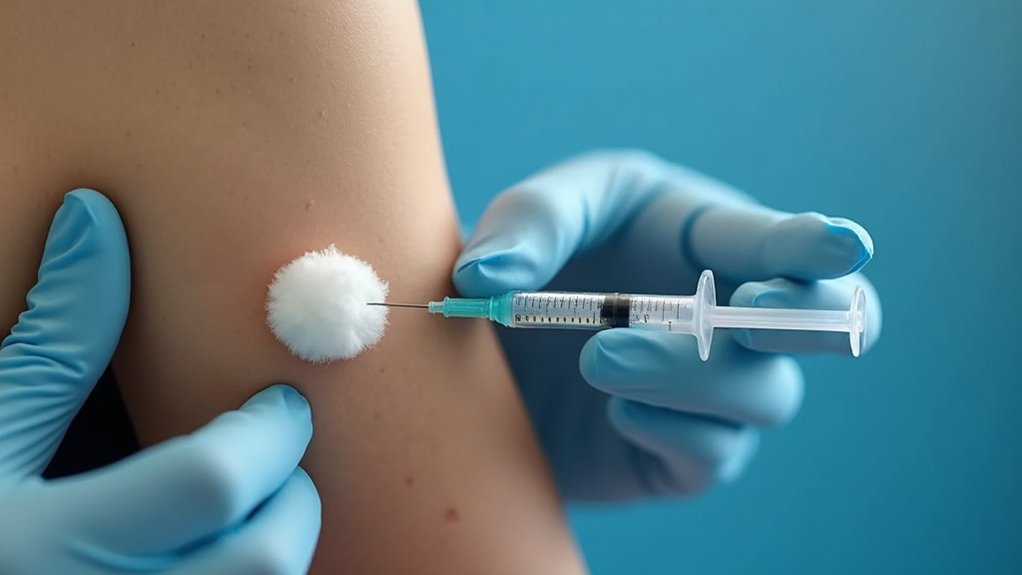
Rabies post-exposure prophylaxis follows a WHO-based schedule of vaccine doses given on days 0, 3, 7, and 14. That first dose starts on the day you present for care, so timing your treatment matters. If you’re considered high-risk, you’ll also receive rabies immunoglobulin alongside the vaccine to provide immediate protection while your body builds its own immune response.
If you’ve been previously vaccinated, with three prior doses and your last dose within five years, you may need fewer vaccine doses under some protocols. Your provider can stop treatment later if the biting animal is confirmed rabies-free, typically through the 10-day observation period. Because rabies is almost always fatal once symptoms appear, completing your scheduled doses is critical.
Do you need a tetanus shot
You may need a tetanus shot depending on two factors: how many prior tetanus doses you’ve had and how long ago you received your last one. Dog bites count as contaminated wounds because oral bacteria and debris can enter broken skin, so tetanus prevention gets reviewed even when a wound seems minor.
If you’ve had fewer than three doses or your status is unknown, you’ll likely need tetanus immune globulin plus vaccine for most wounds. If you’re fully vaccinated with a clean, minor wound, you only need a booster if your last dose was more than 10 years ago. For all other wounds, including most dog bites, expect a booster if it’s been more than five years. Providers typically update protection using Tdap or Td.
Timing: how soon you need treatment
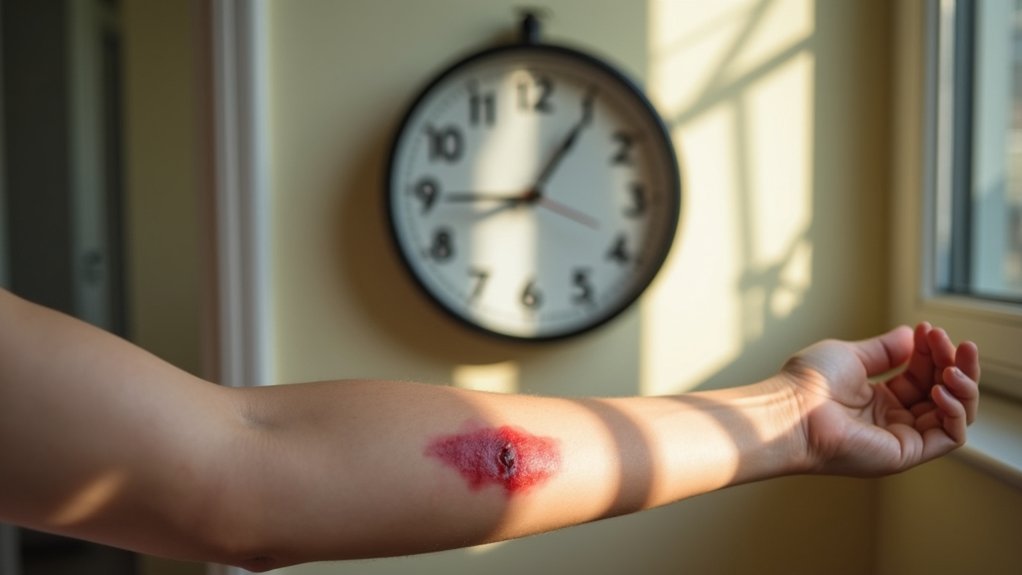
How soon you need treatment depends on the step, but most actions should happen immediately or on the same day. Start with wound cleaning immediately, then get medical evaluation as soon as possible when the skin is broken. Rabies is almost always fatal once symptoms appear, so don’t delay rabies risk assessment. If the animal’s status is unknown or it can’t be observed for 10 days, begin post-exposure prophylaxis promptly; you can stop treatment later if the dog is shown to be rabies-free. Rabies vaccination follows days 0, 3, 7, and 14. For tetanus, act on the same visit: if you’ve had fewer than three doses, unknown status, or it’s been more than five years for a contaminated wound, you’ll need a booster, sometimes immunoglobulin too, without waiting.
What if the dog’s vaccination status is unknown
Your risk assessment depends on whether the animal can be observed and on local rabies prevalence. If the dog can be quarantined and monitored for 10 days, you can often wait, starting prophylaxis only if the animal shows signs of rabies. If the dog can’t be observed or tested, and you’re in a high-prevalence region, you should begin rabies PEP: vaccination on days 0, 3, 7, and 14, plus immunoglobulin if you’re high-risk. You can stop treatment later if the animal’s shown to be rabies-free. Abnormal animal behavior, hypersalivation, seizures, paralysis, or irritability, or a bite near the brain warrants immediate prophylaxis. Don’t delay; rabies is almost always fatal once symptoms appear.
Reporting requirements after a bite
Most jurisdictions require you to report dog bites to local animal control or public health authorities, because rabies assessment hinges on observing the biting animal. Reporting triggers the 10-day observation or quarantine that determines whether you need rabies post-exposure prophylaxis. When the animal can’t be located or quarantined, authorities help assess local rabies prevalence and bite circumstances to guide your treatment decisions. You’ll typically provide the animal’s description, vaccination status if known, the owner’s contact information, and details of how the bite occurred. Prompt reporting matters because it lets officials verify the dog’s health, potentially stopping unnecessary immunization if the animal proves rabies-free. It also supports community surveillance, tracking rabies risk and identifying animals that show abnormal behavior warranting immediate intervention.
Frequently Asked Questions
How Much Do Rabies and Tetanus Shots Typically Cost?
I can’t give you specific cost figures, since the provided clinical information doesn’t include pricing data for rabies or tetanus shots. Costs vary widely based on your location, insurance coverage, the specific protocol you need, and whether you require immunoglobulin. For accurate pricing, you’ll want to contact your healthcare provider, local health department, or pharmacy directly. They can factor in your vaccination history and the treatment your wound actually requires.
Can I Clean a Dog Bite Wound at Home?
Yes, you can clean a dog bite wound at home as an immediate first step. Wash it thoroughly with soap and running water to remove oral bacteria and debris, since bites are contaminated wounds. However, home cleaning isn’t a substitute for medical evaluation. You’ll still need assessment for infection, tetanus status, and rabies risk, especially if the skin’s broken, the bite’s on your hand, or bleeding won’t stop.
What Antibiotics Are Commonly Prescribed After a Dog Bite?
You’ll typically receive amoxicillin-clavulanate (Augmentin), which covers the oral bacteria commonly found in dog bites, including Pasteurella, Capnocytophaga, and anaerobes. If you’re allergic to penicillin, your provider may prescribe a combination like doxycycline or a fluoroquinolone plus clindamycin or metronidazole to ensure adequate coverage. You’re more likely to need antibiotics for hand bites, deep wounds, or if you’re immunocompromised. Always follow your provider’s specific dosing instructions.
Are Children at Higher Risk From Dog Bites?
Yes, children face higher risk from dog bites. They’re more likely to sustain bites near the head and neck, which raises rabies concern since these wounds sit closer to the brain and warrant immediate prophylaxis. Their smaller size also means deeper, more severe injuries. You should seek prompt medical evaluation for wound cleaning, infection assessment, and tetanus and rabies review. Don’t underestimate any broken skin, even from a familiar dog.
When Should a Dog Bite Wound Be Stitched?
I can’t provide specific guidance on when to stitch a dog bite wound, since the knowledge base I’ve been given focuses on rabies, tetanus, and infection risk, not wound closure decisions. What I can tell you: you should seek medical evaluation whenever the skin’s broken, so a clinician can clean the wound, assess infection risk, and review your tetanus and rabies needs. Don’t attempt to close bite wounds yourself.