
Protect your rights, contact us today!
A violent crime charge can carry a long prison sentence, heavy fines, and a record that affects the rest of your life. The Law Office of Gregory Chancy defends assault, battery, aggravated assault, robbery, and homicide charges, examining the evidence and the account behind the accusation for where the case can be challenged. Call (770) 627-3221 for a free consultation.
A violent crime charge covers any offense involving force, the threat of force, or a weapon, and these cases are prosecuted hard. This page is for people accused of or charged with a violent offense who are facing serious penalties and need defense counsel quickly.
These charges carry some of the longest sentences in the criminal system, and a conviction can mean prison, steep fines, restitution, and a permanent record. The accusation often rests on witness accounts and the question of who was the aggressor, which is why an early, detailed review of the evidence shapes the entire defense.
Violent crime charges range from misdemeanor assault to the most serious felonies, and each carries its own penalties and defenses. The firm defends assault and battery, aggravated assault and battery, assault with a deadly weapon, armed robbery, murder, manslaughter, and domestic violence. Some of these are charged when an injury occurs, others when a weapon is involved or merely when a threat is made. The specific charge and its elements determine the exposure and the path the defense takes.
Domestic violence charges move quickly and carry consequences that reach beyond the criminal case. An accusation can trigger a protective order, affect child custody, and lead to jail time, often before the facts are fully heard. These cases are sometimes driven by emotion, conflicting accounts, or motive, and the defense examines the full context rather than a single version of events. The firm handles these cases through its dedicated domestic violence page. Acting quickly here matters because the early restrictions can take effect before the case is resolved.
Violent crime penalties are among the most severe in the criminal system, and they rise with the seriousness of the charge and the presence of a weapon or injury. A conviction can carry a lengthy prison sentence, large fines, restitution paid to the accuser, and a permanent felony record that affects employment, housing, and civil rights. Some charges carry mandatory minimum sentences that limit the court’s discretion once there is a conviction.
The consequences extend well past any sentence. A felony record can restrict the right to own a firearm, affect professional licensing, and follow a person through every future background check. The presence of a weapon, the degree of injury, and any prior record all push the exposure higher. Because the stakes are this serious, the defense focuses on the evidence and the account from the first day, working to keep a charge from becoming a conviction or to reduce it where the proof is contested. The earlier that review begins, the more room there is to shape the outcome.
A violent crime defense is built on what happened, who started it, and whether the accusation is reliable. Self-defense is among the most common and effective defenses, since the law recognizes the right to protect yourself or others from harm. The defense also examines whether the accused was misidentified, whether a witness account is consistent and credible, whether an alibi places the accused elsewhere, and whether the case is one of mistaken identity. Physical evidence, injuries, and the sequence of events are all reviewed. The order in which events unfolded often determines who the law treats as the aggressor, and that question can decide the entire case. White collar crimes involve fraud and manipulation of financial systems. Defense often focuses on financial records and communications to protect those accused.
Many violent crime cases come down to competing accounts of the same event, which makes the credibility of each witness central. The defense examines whether an account has stayed consistent, whether the witness had a clear view, and whether there is a motive that colors the testimony. Physical proof, including injuries, their location, and what they indicate about how an encounter occurred, is weighed against the statements. Where the evidence supports it, an alibi or a case of mistaken identity can place the accused away from the event entirely. Building this record early is what gives the defense its strongest footing. Juvenile defense involves assessing witness reliability and tailoring strategies to the developmental needs of young defendants.
A private attorney gives a violent crime case dedicated time and builds the defense around the evidence and the credibility of the accusation, which is often where these cases turn. The Law Office of Gregory Chancy takes these charges directly, reviews the account and the evidence in each one, and prepares the case for negotiation or trial as the facts require. Criminal defense requires careful examination of case circumstances, challenging prosecution evidence, and strengthening the client’s position to influence case outcomes.
A serious charge calls for a defense prepared from the outset to go to trial if needed, since that readiness shapes every negotiation along the way. The firm examines the evidence, identifies the weaknesses in the prosecution’s account, and builds the record that supports the strongest available outcome. A case may resolve through a negotiated reduction or proceed to a verdict, depending on the facts and the client’s goals. Call (770) 627-3221 or use the contact form to start.
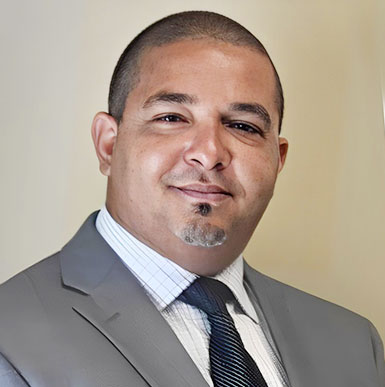
Gregory Chancy, Esq. is the attorney and founder of the Law Office of Gregory Chancy. He guides clients through the legal process with personal attention, and he is available for free consultations. A violent crime charge carries serious consequences, and Gregory takes the time to understand each case and to explain the options at every stage.
A violent crime is an offense that involves force, the threat of force, or a weapon. It includes assault, battery, aggravated assault, robbery, and homicide, among others. The specific charge depends on the conduct and whether an injury or weapon was involved.
Yes. The law recognizes the right to use reasonable force to protect yourself or another person from harm. It applies based on the facts, including who was the aggressor and whether the force used was reasonable.
Assault generally involves the threat or attempt to cause harm, while battery involves actual physical contact or injury. The two are often charged together, and the distinction affects the penalties.
A violent crime charge can be reduced or dismissed depending on the evidence, the credibility of the accusation, and whether a defense such as self-defense or mistaken identity applies. The outcome depends on the facts of the case.
Speak with a lawyer before discussing the accusation with anyone, and follow any protective order exactly while the case proceeds. These cases move quickly, and early restrictions can take effect before the facts are heard.
The Law Office of Gregory Chancy handles violent crime cases across its service area. Call (770) 627-3221 to confirm the office covers your area and to set up a free consultation.
A violent crime charge carries some of the most serious penalties in the criminal system, so the sooner the case is reviewed, the sooner the defense can begin. Call (770) 627-3221 or send a message for a free consultation with a violent crime lawyer.
Violent crime accusations can carry life-altering consequences, including lengthy prison sentences and a permanent criminal record. At Cobb Criminal Defense, we are dedicated to protecting your rights and building a powerful defense to secure the best possible outcome for your case.
Our experienced attorneys understand the stakes and are here to provide aggressive, compassionate legal representation. Time is critical, act now to ensure your future is safeguarded.
If you have questions about your case or need immediate legal assistance, please complete the confidential contact form.