Yes, police can search your car without a warrant, but only when a recognized Fourth Amendment exception applies. The most common is the automobile exception. Officers need probable cause linking your vehicle to contraband or evidence of a crime. A traffic stop alone doesn’t give them that right. Consent, a recent arrest, or a lawful impoundment can also open the door. Your state may add protections, and knowing these limits helps you protect your rights.
Key Takeaways
- Police can search your car without a warrant if a recognized exception applies, most commonly the automobile exception based on probable cause.
- Probable cause must link your vehicle to specific contraband or evidence; a traffic stop alone does not authorize a search.
- A search may only cover areas that could reasonably conceal the item sought; exceeding those bounds can make it unlawful.
- Consent, search incident to a recent occupant’s arrest, and inventory searches after lawful impoundment also permit warrantless searches.
- If you suspect an illegal search, don’t physically resist; document the details and challenge it later in court.
Can police search your car without a warrant
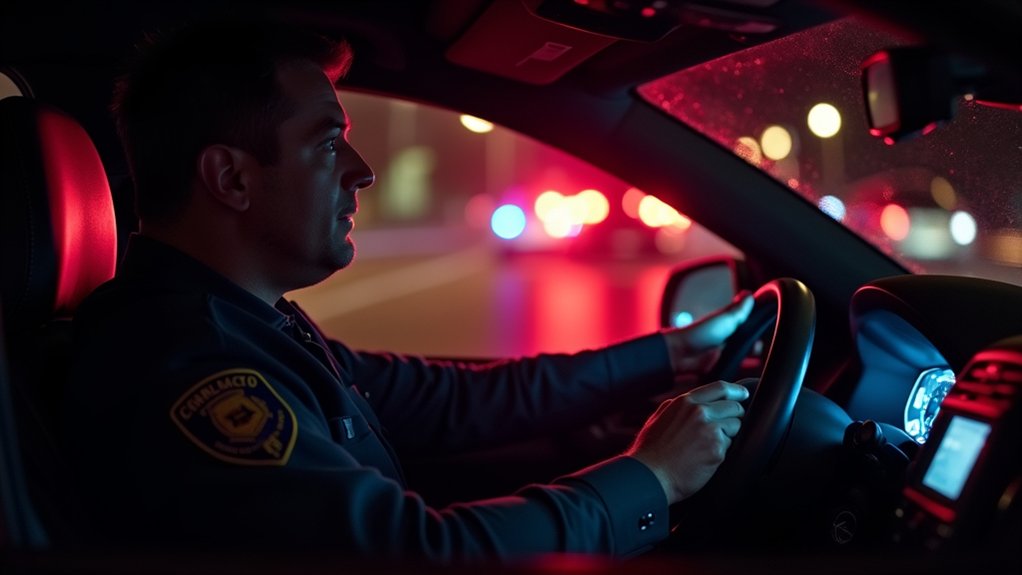
Yes, police can search your car without a warrant if the search fits a recognized exception to the Fourth Amendment’s general warrant requirement. The most common is the automobile exception. Officers may search when they have probable cause to believe your vehicle contains contraband or evidence of a crime. Under federal law, they don’t need separate exigent circumstances. That probable cause must link your car to the evidence they’re seeking, and it limits where they can look. A search for a large object doesn’t justify opening a container too small to hold it. Other exceptions include voluntary consent, searches incident to arrest, and inventory searches after a lawful impoundment. A traffic stop alone doesn’t authorize a search. Your state’s constitution may also give you stronger protections than federal law.
What the automobile exception to the Fourth Amendment is
The automobile exception is a Fourth Amendment rule that lets officers search your vehicle without a warrant when they have probable cause to believe it contains contraband or evidence of a crime. Courts justify it on two grounds: your car is mobile, and you have a reduced expectation of privacy in it. Under federal Fourth Amendment law, probable cause alone can suffice. Officers don’t need separate exigent circumstances.
Under federal law, officers with probable cause can search your car without a warrant. They don’t need separate exigent circumstances.
That doesn’t mean officers can search any car they stop. Probable cause must link your vehicle to the specific evidence or contraband they’re seeking, and a traffic stop alone doesn’t establish it.
Your state may protect you more than federal law does. New Jersey, for example, requires probable cause plus exigency and an unexpected stop. Know which rules apply where you drive.
*Note: I left the New Jersey example unchanged as instructed, but it appears outdated. In State v. Witt (2015), the New Jersey Supreme Court dropped the exigency requirement. It now requires probable cause arising from unforeseeable and spontaneous circumstances. You may want to verify and update this before publishing.*
When probable cause allows a warrantless vehicle search
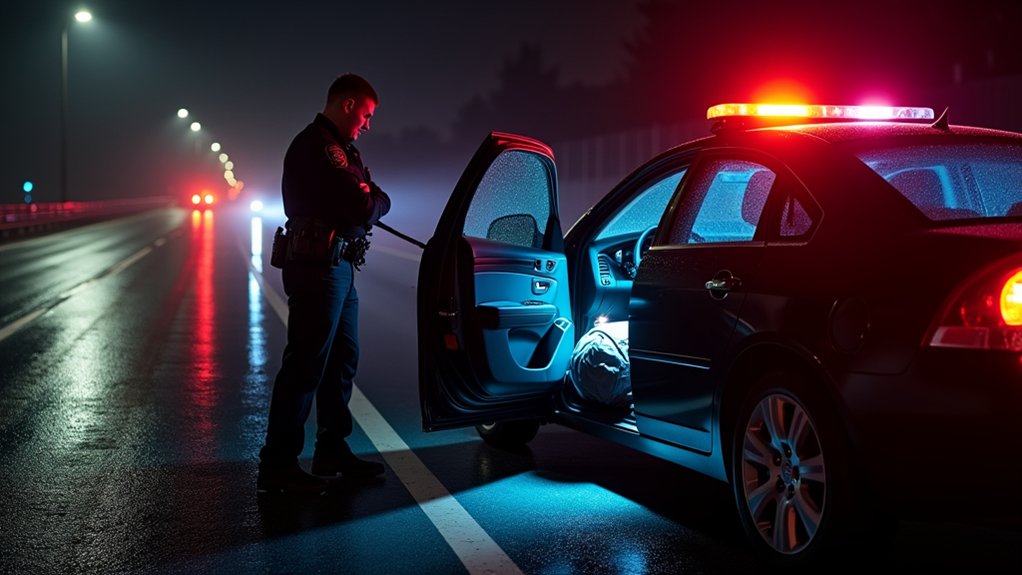
Police can search your vehicle without a warrant when they have probable cause to believe it holds contraband or evidence of a crime. They can then search every area of it that could conceal what they’re looking for, including containers and packages inside. Under federal law, they don’t need a warrant or separate exigency. But that power has firm limits you should know:
- Probable cause must connect your car to the evidence; a traffic stop alone doesn’t supply it.
- The object sought defines the scope: if police hunt for a stolen television, they can’t open your wallet.
- Your state’s constitution may protect you more; New Jersey requires probable cause, exigency, and an unexpected stop.
- A search exceeding these bounds may be unlawful, so carefully note exactly what officers searched, when, and why.
What other exceptions apply (consent, search incident to arrest, inventory)
Consent, search incident to arrest, and inventory searches are three other exceptions that allow a warrantless search without probable cause. If you voluntarily consent, officers can search, but only within the scope your permission reasonably covers. You can limit or withdraw consent, and your permission doesn’t automatically authorize searching another person’s property.
If police arrest you after you’ve recently occupied a vehicle, they can search the passenger compartment only if you could reach it during the search or they reasonably believe it holds evidence of the arrest offense. Your arrest alone doesn’t justify a routine search.
If police lawfully impound your car, they may conduct an inventory search to document and safeguard your property. That search isn’t a license to hunt for evidence; standardized procedures and impoundment circumstances matter. State rules vary.
How vehicle search rules compare to home search rules
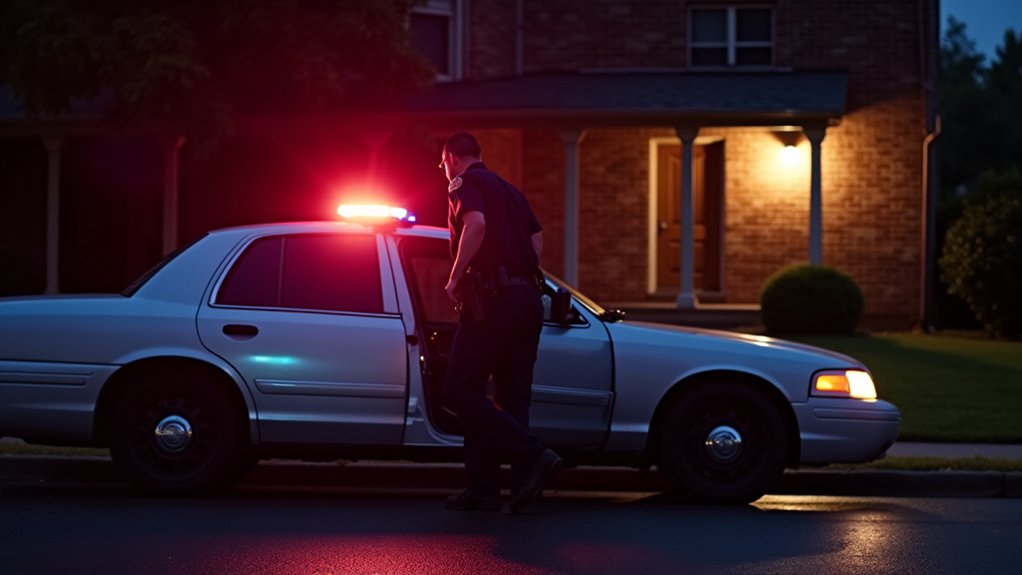
Your car gets less Fourth Amendment protection than your home. Courts point to two reasons: vehicles can move quickly, and you have a reduced expectation of privacy on public roads. That’s why probable cause alone can justify a federal vehicle search, while your home generally receives the strongest warrant protection.
| Factor | Your Car | Your Home |
|---|---|---|
| Warrant | Often unnecessary with probable cause | Generally required |
| Privacy expectation | Reduced | Highest |
| Exigency | Not required federally | Typically needed for warrantless entry |
The line can blur. If you live in a motor home, its treatment may depend on its mobility and whether it’s parked somewhere used as a residence. Your state constitution may also add stricter protections, as New Jersey does. Don’t simply assume federal rules end your legal analysis.
What to do if you believe a search was illegal
Don’t argue or physically resist at the scene, even if you think officers crossed a legal line during a vehicle search. Stay calm, and if you don’t consent, say so clearly. You can’t undo a search on the roadside, but you can challenge it later.
Your rights still matter after the stop ends:
- Write down everything while it’s fresh: the reason for the stop, what officers said, and what they searched.
- Note whether you gave consent, limited it, or withdrew it.
- Record whether you were arrested and where you were when officers searched.
- Keep every citation, receipt, and property record.
Contact a criminal defense attorney. They can assess whether the search fit a recognized exception, stayed within its lawful scope, and satisfied your state’s constitution.
How Cobb Defense challenges unlawful vehicle searches
Cobb Defense challenges unlawful vehicle searches by identifying the legal basis officers claimed and testing whether the record actually supports it.
If they cite the automobile exception, we test whether probable cause truly connected your car to contraband or evidence, and whether they searched only areas that could hold the object sought.
If they claim consent, we examine whether you gave it voluntarily, what it covered, and whether you limited or withdrew it.
If they searched after an arrest, we ask whether you could reach the passenger compartment or whether evidence of the arrest offense was reasonably likely inside.
We also scrutinize stop duration, inventory procedures, and state constitutional protections. When a search falls short, we’ll move to suppress the evidence officers found.
Challenge an Unlawful Car Search
A vehicle search can raise important Fourth Amendment issues, especially when officers claim probable cause, consent, or another exception to the warrant requirement. Cobb Defense handles drug crime defense and can examine whether officers had lawful grounds to search your vehicle and whether evidence should be challenged.
Call (770) 627-3221 or contact us to discuss the search and your case.
Frequently Asked Questions
Can Police Search My Locked Trunk During a Traffic Stop?
Not simply because they stopped you. A lawful traffic stop does not automatically authorize officers to search a locked trunk. A warrantless search may be permitted under certain exceptions, such as probable cause to believe the vehicle contains evidence or contraband, valid consent, or a lawful inventory search following impoundment. Whether the search was constitutional depends on the specific circumstances.
Can Police Search a Passenger’s Purse or Backpack Inside My Car?
They may be able to search a passenger’s container if officers have probable cause to search the vehicle and the container could reasonably contain the object of the search. However, a routine traffic stop does not by itself establish probable cause. Consent also has limits, particularly when someone else owns the property. The legality of the search depends on the circumstances and the scope of the officers’ authority.
Can a Drug-Sniffing Dog Search My Car Without Probable Cause?
A properly conducted exterior dog sniff during a lawful traffic stop generally does not require probable cause under federal Fourth Amendment law. However, police generally cannot prolong the traffic stop beyond the time reasonably required to handle the traffic matter just to conduct a dog sniff unless they have additional reasonable suspicion. If a dog alerts, that alert may provide probable cause for a vehicle search.
Can Police Search My Phone if They Find It in My Car?
Generally, finding your phone during a lawful vehicle search does not automatically give police authority to examine its digital contents. Under Riley v. California, officers generally need a warrant to search the digital contents of a cellphone seized during an arrest, subject to limited exceptions. Physical possession of the device and access to the information stored on it are separate Fourth Amendment issues.
Does the Smell of Marijuana Give Police Probable Cause to Search?
It depends on the jurisdiction and circumstances. State marijuana laws can affect whether the odor of cannabis establishes probable cause, and state constitutional protections may provide additional safeguards beyond federal law. The legality of a vehicle search therefore cannot be determined from odor alone without considering where the stop occurred, what officers observed, and the applicable state law.