A grand jury is a panel of citizens that decides whether there’s probable cause to charge you with a crime. It doesn’t decide your guilt. In federal court, 16 to 23 jurors hear evidence prosecutors present in secret, and at least 12 must agree to indict. You can’t present a defense, but you can invoke your privilege against self-incrimination. Below, you’ll see how the process works and how early defense action can protect your rights.
Key Takeaways
- A grand jury is a citizen panel that reviews prosecutors’ evidence to decide whether probable cause supports criminal charges, not guilt or innocence.
- Unlike a trial jury, a federal grand jury has 16, 23 jurors, and at least 12 must agree to return an indictment.
- Proceedings are generally secret, with testimony usually recorded by a court reporter but deliberations and voting left unrecorded.
- If probable cause is found, the grand jury returns an indictment; otherwise, it returns a “no bill” and charges are not issued.
- Witnesses may invoke the privilege against self-incrimination and attorney-client privilege, though there is no right to present a defense.
What is a grand jury
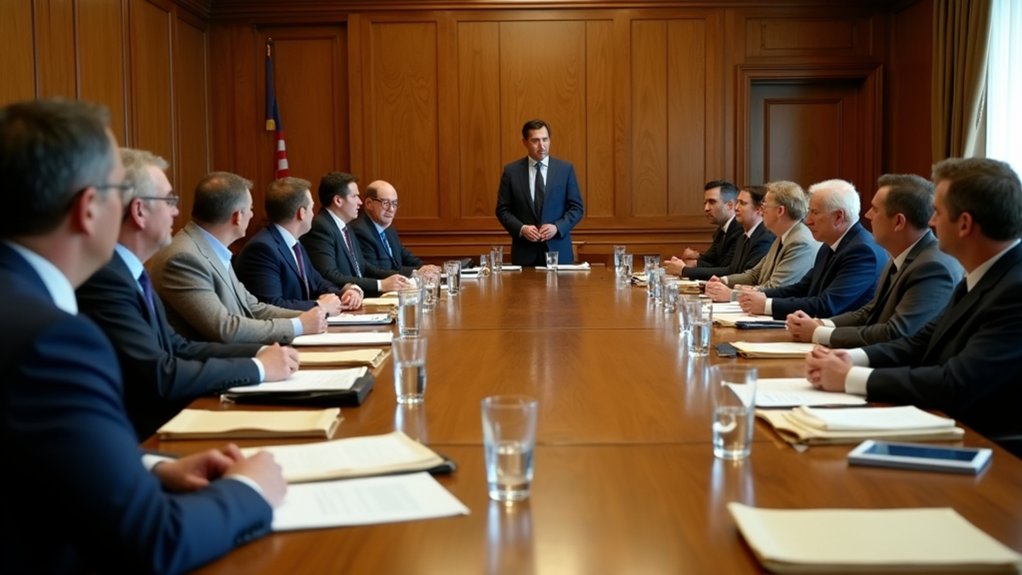
A grand jury is a group of citizens who review evidence to determine whether probable cause supports charging you with a crime. It doesn’t decide whether you’re guilty, though it’s often mistaken for a trial jury. A trial jury decides guilt or innocence only after hearing your full case.
At the federal level, a grand jury investigates alleged violations of federal law within the district court’s jurisdiction that convened it. The Fifth Amendment requires a grand jury indictment before you’re prosecuted for a federal capital or other “infamous” crime, though exceptions apply.
Don’t assume this guarantee follows you into state court. It doesn’t automatically apply to state prosecutions, and procedures vary widely. If you’re facing state charges, you’ll need to learn your jurisdiction’s specific rules to protect your rights.
How a grand jury differs from a trial jury
A grand jury decides whether probable cause supports charging you with a crime, while a trial jury decides whether you’re guilty or innocent after hearing the full case. Because they answer different questions, you shouldn’t treat an indictment as a verdict. In federal court, 16 to 23 grand jurors review evidence that prosecutors present, and at least 12 must agree before they return an indictment. That indictment lets the prosecution proceed, but it doesn’t establish guilt. Grand jurors can also compel witnesses and documents, and they can decline to indict even when probable cause exists. Their proceedings are generally secret. If you’re called as a witness, you can still invoke your privilege against self-incrimination when it applies. State procedures vary, so check your jurisdiction’s rules.
What happens during grand jury proceedings
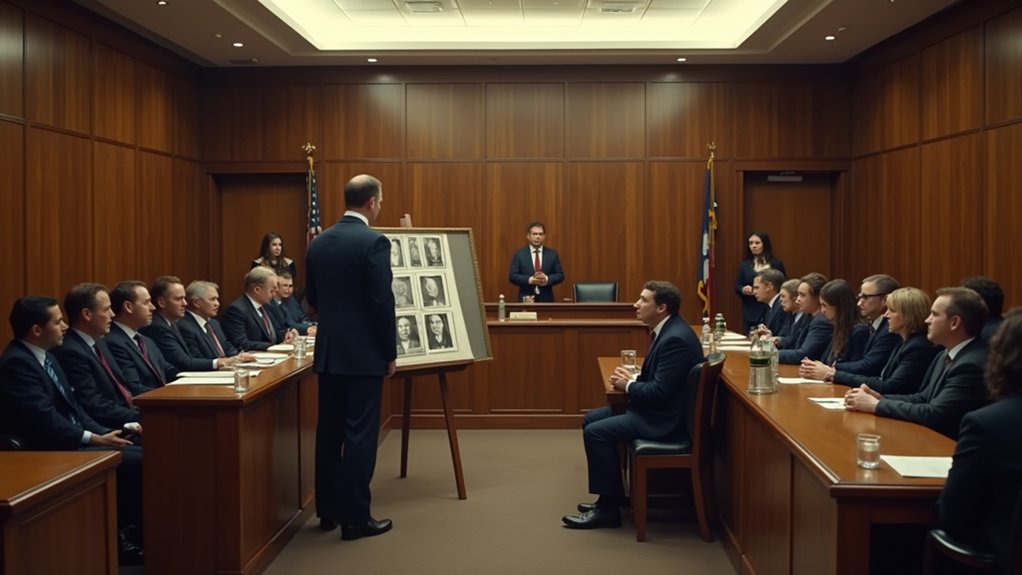
During federal grand jury proceedings, jurors generally meet in secret to hear evidence and consider whether charges are warranted. Prosecutors present that evidence and advise on the law, but you and your fellow jurors make the charging decision. If you’re subpoenaed as a witness, you can invoke your privilege against self-incrimination when it applies. A court reporter generally records the proceedings, though deliberations and voting stay unrecorded. If at least 12 jurors find probable cause, the grand jury returns an indictment, a formal written statement of charges. That indictment lets prosecution proceed; it doesn’t establish guilt. If jurors don’t find probable cause, they return a “no bill.” You can decline to indict even when probable cause exists, and nobody can compel you.
What rights you have before a grand jury
You typically have two main rights before a federal grand jury: the privilege against self-incrimination and the attorney-client privilege. If a question calls for an answer that could incriminate you, you can invoke your Fifth Amendment privilege and decline to answer when it applies. Your confidential communications with your lawyer also keep their protection when the attorney-client privilege applies, so you don’t have to disclose them.
Secrecy rules also shape your experience. Grand jurors, prosecutors, court reporters, interpreters, and certain other participants must protect grand jury information, and related records, subpoenas, or orders may stay sealed. These secrecy rules have exceptions, though. Because these protections depend on the facts and the jurisdiction, consult your attorney before you testify, and don’t assume federal rules govern state proceedings.
How grand jury and preliminary hearing compare
A grand jury and a preliminary hearing both test whether probable cause supports criminal charges, but they work very differently, and those differences affect your rights.
| Feature | Grand Jury | Preliminary Hearing |
|---|---|---|
| Decision-maker | 16, 23 citizens (federal) | A judge |
| Openness | Secret proceedings | Generally public |
| Your participation | No right to present your defense | You attend with counsel |
| Cross-examination | Not available | You can question witnesses |
In grand jury proceedings, prosecutors control the evidence, and you can’t confront the witnesses against you. At a preliminary hearing, you can challenge weak evidence early. Federal cases charging infamous crimes generally require indictment, but states set their own rules, so check your jurisdiction. In either setting, a finding of probable cause isn’t a finding of guilt. Talk with your attorney before you testify or waive either procedure.
Why a grand jury indictment is not a conviction
A grand jury indictment is not a conviction because it means only that a grand jury found probable cause to charge you, not proof that you committed a crime. That standard asks only whether enough evidence supports bringing charges. It’s far lower than the proof required to convict you.
The indictment lets the prosecution proceed. It doesn’t decide your guilt. A separate trial jury makes that decision after hearing the case. Grand jurors also generally hear evidence in secret, and the prosecutor presents it.
You can protect yourself before the case moves forward:
- Invoke your privilege against self-incrimination if you’re called as a witness and it applies.
- Keep communications with your attorney confidential when the privilege applies.
- Treat the charges as allegations that the government still must prove.
You remain legally innocent unless a trial ends in a conviction.
How Cobb Defense protects your rights at the grand jury stage
Cobb Defense protects your rights at the grand jury stage by reviewing what’s being demanded and why, preparing you before you appear, and helping you invoke your privilege against self-incrimination when it applies. If you receive a subpoena or learn you’re under investigation, we help you understand whether you’re a witness or a target. Because counsel generally can’t accompany you inside the federal grand jury room, we advise you on when to step out and consult us. We also protect confidential attorney-client communications. The grand jury stage comes before any trial, so the steps you take there can shape whether charges are filed at all. Remember, a grand jury can decline to indict even when probable cause exists. Acting early, with experienced counsel, keeps your defense options open from the very start.
Prepare Before an Indictment
A grand jury decides whether enough evidence exists to formally charge someone, not whether that person is guilty. If you believe you’re under investigation or could face an indictment in Georgia, Cobb Defense handles criminal defense and can help you understand your options before the case moves further.
Call (770) 627-3221 or contact us to discuss your situation.
Frequently Asked Questions
How Many People Serve on a Federal Grand Jury?
A federal grand jury generally has between 16 and 23 members. At least 12 grand jurors must concur to return an indictment. The grand jury determines whether probable cause exists to charge someone, not whether the person is guilty. State grand jury requirements can differ substantially from the federal system.
How Long Can a Federal Grand Jury Remain in Session?
A federal grand jury ordinarily serves for up to 18 months unless the court extends its service for an additional period, generally up to six months. Grand jury proceedings are generally conducted in secret to protect the integrity of the investigation and the people involved. The grand jury’s role is to determine whether probable cause supports an indictment, not to decide guilt.
How Many Grand Jurors Must Agree to Return an Indictment?
At least 12 federal grand jurors must concur before an indictment can be returned. Because federal grand juries generally contain 16 to 23 members, the government must obtain the required minimum agreement. If the required number does not agree, the grand jury does not return an indictment. An indictment itself is not a finding that the accused is guilty.
Can a Grand Jury Refuse to Indict Even When Probable Cause Exists?
A grand jury can decline to return an indictment. The prosecutor presents evidence and explains applicable law, but the grand jurors make the charging decision. If the required number of jurors does not vote for an indictment, the grand jury can return a “no bill.” The precise procedures and terminology can vary between federal and state systems.
Do State Courts Have to Use Grand Juries Like Federal Courts?
No. The federal constitutional grand-jury requirement does not automatically apply to state criminal prosecutions in the same way. States establish their own charging procedures, and those procedures can differ from federal grand-jury rules. Georgia has its own grand-jury system and requirements, so someone facing a Georgia state investigation should not assume the federal process applies.