Road rash happens when your skin scrapes against a rough surface, abrading layers through friction. Severity ranges from first-degree redness and minor bleeding to very severe wounds exposing muscle or bone. You’ll treat minor cases by cooling the area, removing debris, cleaning gently, and dressing loosely. Deeper injuries risk infection, scarring, and nerve damage, sometimes requiring antibiotics or grafting. Understanding each severity level helps you recognize when your injury demands professional care.
Key Takeaways
- Road rash occurs when skin scrapes against rough surfaces, abrading tissue layers depending on force and contact duration.
- Severity ranges from first-degree (redness, minor bleeding) to very severe cases involving muscle or bone damage.
- Treatment includes cooling the wound, removing debris, gentle cleaning, loose sterile dressing, and appropriate pain relief.
- Infection risk rises with debris and delayed healing; watch for pus, worsening pain, fever, and nonhealing wounds.
- Deep injuries may cause permanent scarring, nerve damage, or reduced mobility, sometimes requiring antibiotics, grafting, or surgery.
What road rash is and how it happens
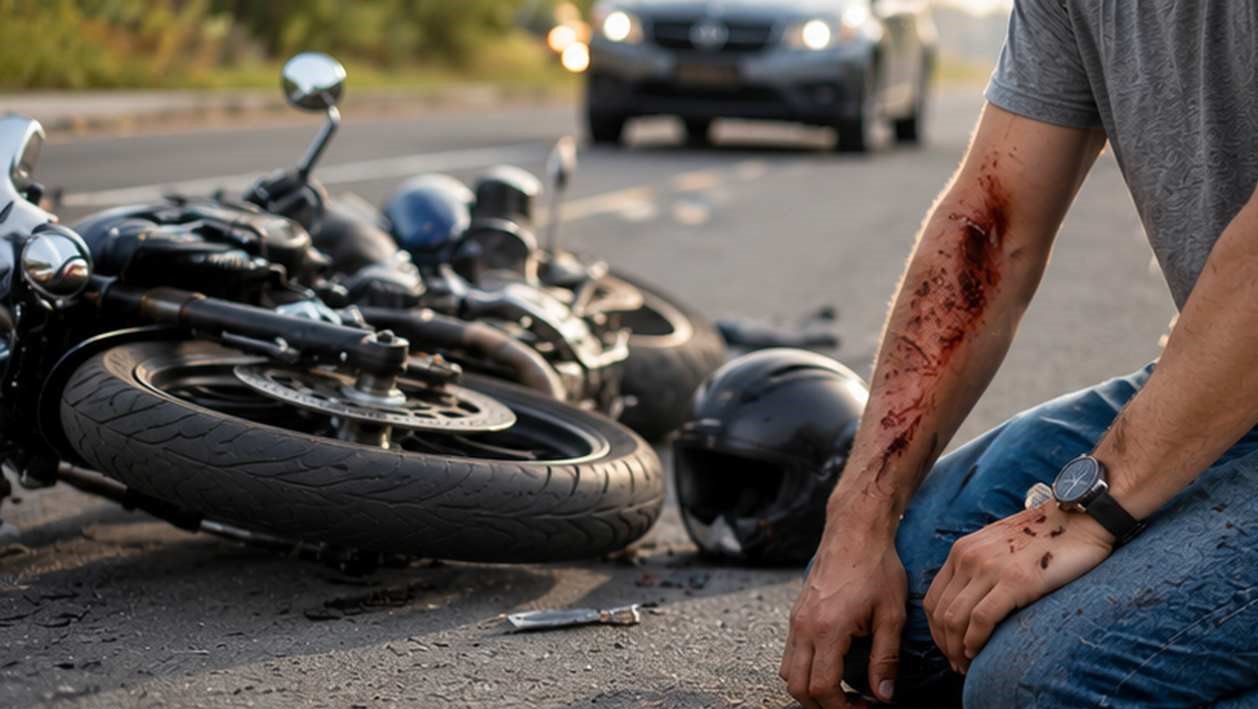
How does road rash happen? Road rash happens when your skin scrapes against a rough surface, typically during a fall from a bike, motorcycle, or while running. The friction abrades your skin, stripping away one or more layers depending on the force and duration of contact. The depth determines severity, ranging from superficial injuries affecting only the epidermis to full-thickness wounds reaching muscle and bone.
| Severity | Layers Affected | Common Signs |
|---|---|---|
| Superficial | Epidermis | Redness, tenderness, minor scraping |
| Partial-thickness | Epidermis, dermis | Bleeding, swelling, exposed tissue |
| Full-thickness | Epidermis, dermis, fat | Deep tissue, possible nerve involvement |
| Very severe | Muscle, bone | Extensive damage, high complication risk |
You’ll notice symptoms varying with how deeply the injury penetrates.
The degrees of road rash severity
Road rash is graded by degree, a system that maps severity onto the depth of tissue involvement. When you sustain first-degree road rash, you’ll notice bruising, redness, tenderness, scraping, and minor bleeding, since the damage stays shallow. Second-degree and third-degree injuries reach deeper, and you’ll see more concerning signs: heavier bleeding, swelling, and exposed deeper tissue.
At these higher grades, nerve involvement becomes possible, which means you might experience numbness, tingling, or pain as underlying structures sustain damage. Recognizing which degree you’re dealing with matters, because it guides how aggressively you’ll need to treat the wound. Deeper grades correlate with slower healing, greater infection risk, and a higher likelihood of lasting complications.
How road rash is treated
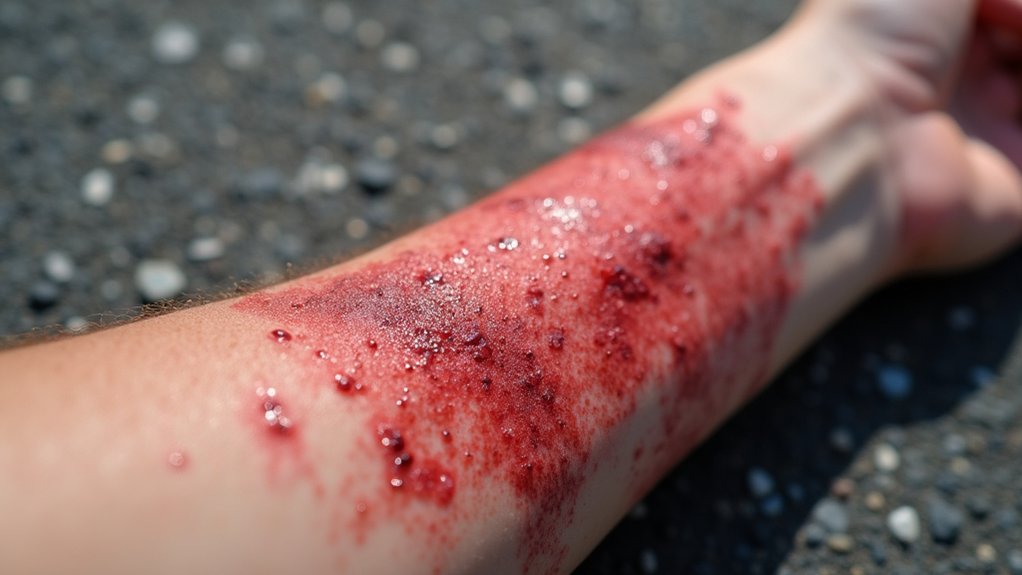 Road rash is treated by first cooling the injury with cold water for a few minutes, which limits ongoing tissue damage. Next, you’ll need to address the wound systematically:
- Remove all grit and dirt from the damaged skin to reduce infection risk.
- Clean the wound gently with lukewarm water in minor cases.
- Cover it with a sterile bandage or clean cloth, keeping the dressing loose enough to avoid restricting healing.
- Use over-the-counter pain relief such as acetaminophen when appropriate.
For minor abrasions, you can manage care at home with antiseptic or antibiotic ointment. Deeper injuries may require professional cleaning, antibiotics, and possible skin grafting, while severe cases demand emergency debridement, surgery, and hospitalization.
Infection and scarring risks
Infection tops the list of road rash complications because debris left in the wound and delayed healing create ideal conditions for bacterial growth. If you don’t remove grit and dirt thoroughly, you raise your infection risk significantly. Watch for persistent redness, pus, worsening pain, fever, or nonhealing wounds. These signs warrant medical evaluation.
Scarring risk climbs when the burn runs deeper and takes longer to heal. Superficial injuries typically resolve without lasting marks, but deep partial-thickness and full-thickness wounds often leave permanent scars. These can be thick, raised, discolored, or keloid-forming in severe cases. When scarring affects joints or high-movement areas, contractures may limit your mobility. Prompt, thorough cleaning and proper wound care remain your best defense against both complications.
When road rash needs medical care
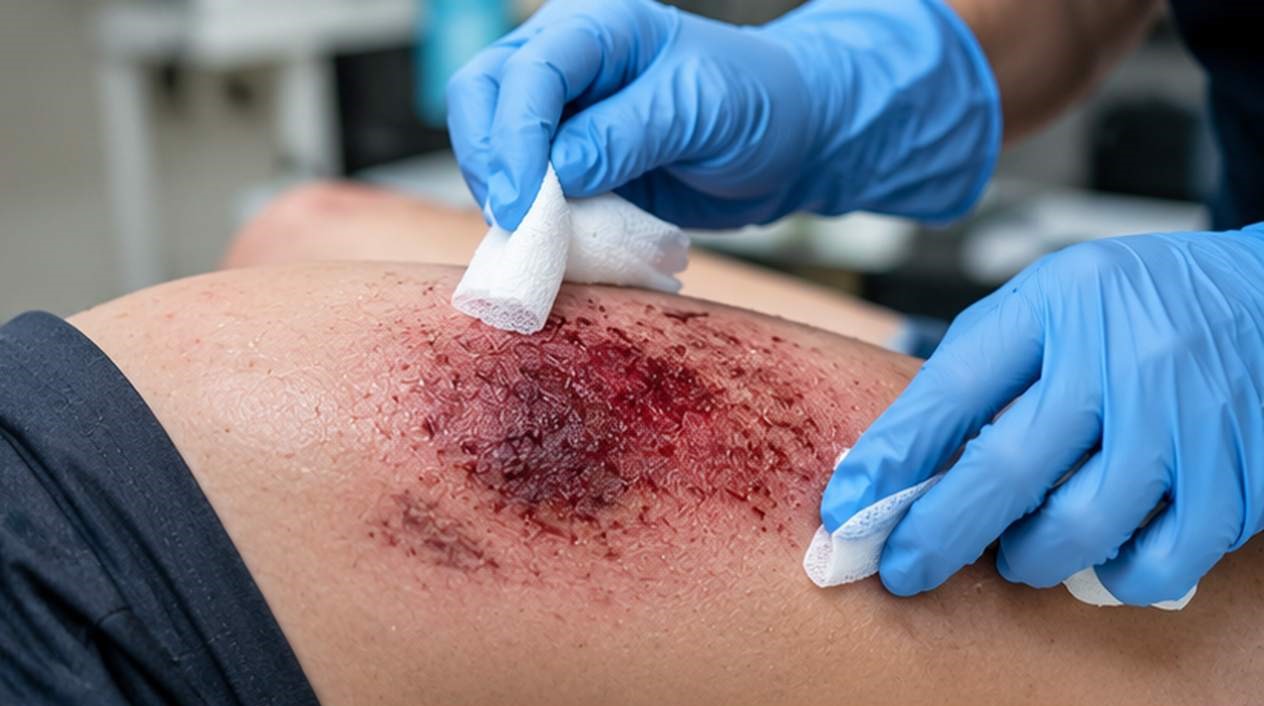
Road rash needs medical care when the wound is deep, extensive, or shows signs of infection. Minor abrasions typically respond to cleaning, antiseptic or antibiotic ointment, and bandaging at home. Deeper or extensive wounds require professional evaluation to prevent infection, manage tissue loss, and support proper healing.
Seek medical care in these situations:
- Deeper injuries that expose fat, muscle, or bone, which may need professional cleaning, antibiotics, or skin grafting.
- Severe road rash requiring emergency debridement, surgery, hospitalization, or long-term therapy.
- Extensive burns that may need intravenous fluids and shock resuscitation.
- Wounds lasting longer than 2 weeks or showing redness, pus, worsening pain, or fever, signaling possible infection.
Don’t delay when warning signs appear.
Long-term effects and skin grafts
Deeper road rash injuries can leave lasting marks on your body. When your injury reaches the lower dermis, fat, or beyond, scarring becomes more likely, particularly when healing extends past two weeks. Deep wounds may require skin grafting, where surgeons transplant healthy tissue to close areas that can’t heal on their own. You might notice permanent scars that are thick, raised, discolored, or keloid-forming in severe cases. Nerve damage can cause numbness, tingling, or chronic pain when deeper tissue is affected. If scarring or contractures develop near joints or high-movement areas, you may experience reduced mobility. Psychological effects, including low confidence, grief, and stress-related symptoms, have also been reported after severe injuries. Addressing these effects often requires long-term therapy.
When road rash is part of an injury claim
Road rash becomes part of an injury claim when it results from someone else’s negligence, giving you grounds to seek compensation. Accurate documentation strengthens your case and connects the injury to its severity, treatment, and long-term effects. Because deeper injuries carry higher costs and lasting consequences, you’ll want clear evidence of every stage of your care.
Thorough documentation transforms road rash from a simple scrape into compelling evidence of negligence, severity, and the compensation you deserve.
- Document the wound with dated photographs showing depth, size, and healing progression.
- Keep medical records detailing diagnosis, debridement, grafting, antibiotics, and follow-up visits.
- Track ongoing effects such as scarring, nerve damage, lost mobility, or psychological symptoms.
- Record financial losses including treatment costs, lost wages, and future care needs.
This evidence helps quantify your damages precisely, supporting fair compensation that reflects your injury’s true clinical and long-term impact.
Hurt in a Crash? Get Help With Your Injury Claim
Road rash can cause painful wounds, scarring, infection, and lasting skin damage after a motorcycle or bicycle accident. If another driver caused your injuries, a Georgia motorcycle accident lawyer at Cobb Defense can investigate the crash, document your injuries, and pursue compensation for your medical costs and other losses.
Call (770) 627-3221 or request a free case review today to discuss your options.
Frequently Asked Questions
Can I Exercise or Play Sports While Road Rash Heals?
It depends on the severity and location of the road rash. Minor abrasions may allow some activity if the wound is properly covered and movement does not reopen it or increase irritation. Deeper road rash, especially near a joint, may require more rest and medical guidance. Stop exercising and seek care if you develop increasing pain, swelling, redness, drainage, or fever.
Should I Keep Road Rash Covered or Let It Air Out?
Road rash should generally be kept clean, moist, and covered with a clean nonstick dressing while it heals. Covering the abrasion helps protect it from dirt and bacteria and can reduce the risk of the wound reopening. Change the dressing when it becomes wet or dirty, and watch for increasing redness, swelling, drainage, pain, or fever.
What Ointments or Creams Work Best for Healing Road Rash?
For minor road rash, a thin layer of petroleum jelly can help keep the wound moist while it heals. Some clinicians may also recommend an antibiotic ointment in certain situations, but topical antibiotics are not necessary for every properly cleaned abrasion and can cause skin irritation in some people. Deep, contaminated, or infected road rash should be evaluated by a medical professional.
Will Road Rash Leave Permanent Skin Discoloration or Dark Marks?
Road rash can cause permanent discoloration or scarring, particularly when the injury extends into deeper layers of skin. Embedded gravel or debris can also leave lasting discoloration known as traumatic tattooing. Superficial road rash is less likely to cause significant scarring, while deeper injuries that take longer to heal carry a greater risk of permanent skin changes.
How Can I Prevent Road Rash While Riding or Biking?
Wear protective clothing that covers exposed skin and use appropriate safety equipment whenever you ride. Long sleeves, long pants, gloves, sturdy footwear, and protective riding gear can reduce direct contact between your skin and the pavement during a fall. A helmet is also essential for reducing the risk of serious head injury, even though it does not directly prevent road rash elsewhere on the body.