Under Georgia Code § 16-5-70(c), you face second-degree cruelty to children when criminal negligence (not intent) causes a child under 18 cruel or excessive physical or mental pain. You don’t need malice or willfulness; prosecutors must prove your conduct grossly deviated from reasonable care. This felony carries one to ten years in state prison. Anyone with immediate charge of a child can be liable. Understanding how this charge works could protect your future.
Key Takeaways
- Second-degree cruelty to children under Georgia Code § 16-5-70(c) involves causing cruel or excessive physical or mental pain to a child under 18.
- The offense is based on criminal negligence, a gross deviation from reasonable care rather than willful intent or malice.
- Liability applies to anyone with immediate charge of a child, including caregivers beyond parents or guardians.
- Charges can arise from failures in supervision, safety, or sustenance, whether a single careless act or ongoing neglect.
- Classified as a felony, it carries a mandatory sentence of one to ten years in a state correctional facility.
What is second-degree cruelty to children under Georgia law
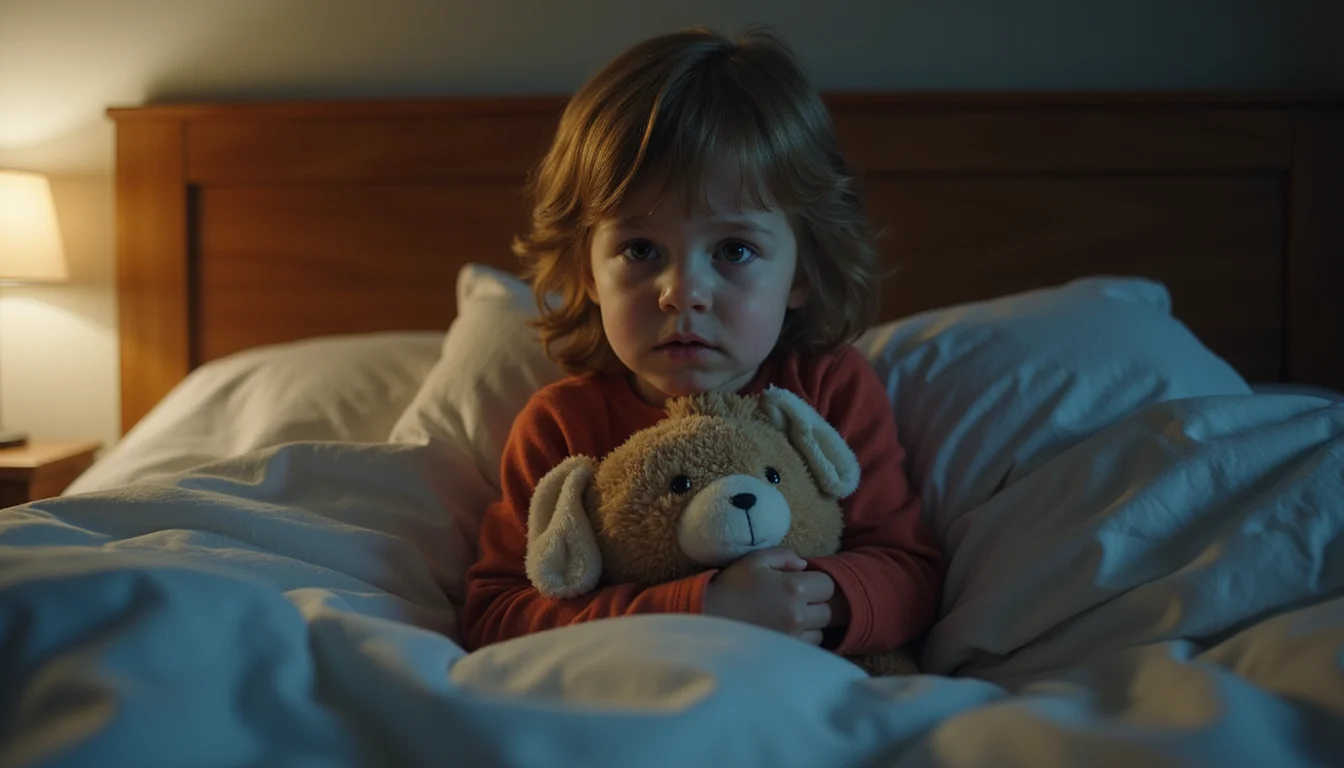
Second-degree cruelty to children under Georgia law occurs when a person causes a child under 18 cruel or excessive physical or mental pain through criminal negligence, as defined in Georgia Code § 16-5-70(c). You should understand that this offense hinges on negligence, not malice. Unlike first-degree cruelty, which demands willful deprivation or malicious intent, second-degree relies solely on a gross deviation from the care a reasonable person would exercise. The statute isn’t limited to parents or guardians, it applies to anyone whose negligent conduct harms a child. Georgia cruelty to children charges under OCGA 16-5-70 reflect a serious crime with significant implications. Legal representation is essential to navigate the allegations and protect your rights.
You don’t need to show visible injuries or present expert medical testimony. A jury decides whether the pain qualifies as cruel or excessive based on the evidence before it. Whether it’s a single incident or a pattern, negligence causing genuine suffering satisfies the statute.
What is the legal definition of criminal negligence in a child cruelty case
Criminal negligence in a child cruelty case means a gross deviation from the standard of care a reasonable person would exercise in similar circumstances, as defined under Georgia Code § 16-5-70(c). It is the linchpin that separates second-degree cruelty from its more serious counterparts, so you need to understand exactly what it means. It’s not the ordinary carelessness you’d see in a civil case. It’s conduct so reckless that the law treats it as criminal. You won’t find malicious intent or willful deprivation here, those elements belong to first-degree charges. Instead, prosecutors must prove beyond a reasonable doubt that your negligent conduct caused a child cruel or excessive physical or mental pain. That negligence can arise from a single incident or a pattern of careless supervision, and no visible injury is required. Child-endangerment vs cruelty to children in Georgia can blur legal lines, yet each charge carries different penalties and implications for custody or parenting rights. With the stakes so high, competent legal representation is essential.
What types of caregiver conduct lead to second-degree charges

Second-degree charges stem from failures of supervision, safety, and care rather than any intent to harm. If you’re supervising a child and fail to provide necessary safety or sustenance to the point that health is jeopardized, you can face charges under § 16-5-70(c). Your liability isn’t limited to formal guardianship; foster parents, stepparents, and anyone with immediate charge fall within the statute’s scope. You risk prosecution when you fail to prevent foreseeable harm, whether through a single careless act or a pattern of neglectful supervision. You can also be charged if your negligent supervision lets a child witness trauma. Remember, no visible injury is required. Cruel or excessive mental pain alone satisfies the statute’s threshold.
How does second-degree child cruelty differ from first-degree in terms of intent
Second-degree child cruelty differs from first-degree in the level of intent required. Under Georgia Code § 16-5-70, first-degree cruelty demands willful deprivation of sustenance or malicious intent to cause pain. Second-degree requires only criminal negligence, a gross deviation from reasonable care. You needn’t intend harm to face second-degree charges. Careless conduct causing cruel or excessive pain suffices. First-degree cruelty to children in Georgia triggers a more severe legal response because it requires intent, and the consequences for those convicted are significant. Caregivers must understand the law to avoid crossing lines that lead to serious repercussions.
| First-Degree Cruelty | Second-Degree Cruelty |
|---|---|
| Willful or malicious intent | Criminal negligence |
| Deliberate deprivation | Careless supervision |
| 5 to 20 years imprisonment | 1 to 10 years imprisonment |
| Intent to cause pain | Gross deviation from care |
| Purposeful conduct | Foreseeable harm ignored |
This distinction matters. If prosecutors can’t prove you acted willfully, they’ll pursue the negligence standard instead, carrying lighter penalties.
What are the penalties for second-degree cruelty to children in Georgia

Second-degree cruelty to children in Georgia is classified as a felony and demands imprisonment for not less than one year nor more than ten years. That one-year minimum isn’t discretionary, it’s mandatory, and you’ll serve it in a state correctional facility. The court can extend your sentence up to the ten-year maximum depending on the severity of the child’s suffering and the degree of your negligent conduct. Third-degree cruelty to children in Georgia carries serious legal implications, typically involving a caregiver’s actions that cause a child significant harm or emotional distress. Understanding these consequences is crucial for anyone in a position of responsibility.
The primary statute doesn’t explicitly mandate fines, but felony classifications frequently carry financial penalties, so you shouldn’t assume you’ll escape monetary consequences. A jury’s determination that the child endured cruel or excessive physical or mental pain triggers these penalties. No visible injury or expert medical testimony is required to sustain your conviction.
How does Cobb Defense defend caregivers facing second-degree cruelty charges
Cobb Defense defends caregivers facing second-degree cruelty charges by attacking the statute’s core element: criminal negligence. Because § 16-5-70(c) requires a gross deviation from reasonable care, we show your conduct fell within ordinary judgment, not gross deviation. Prosecutors must prove beyond a reasonable doubt that the child suffered cruel or excessive pain, so we challenge the sufficiency and credibility of that evidence, including lay testimony offered without medical corroboration.
We also contest whether you had immediate charge or custody, whether the harm was foreseeable, and whether any alleged pain rises to “cruel or excessive.” Where the State can only prove accidental or reasonable supervision, negligence collapses. By dismantling each statutory element, we position you to avoid the one-to-ten-year felony exposure entirely.
A Bad Judgment Call Isn’t a Gross Deviation
That’s the whole fight here. The State doesn’t have to prove you meant harm, only that your care fell so far below reasonable it turns criminal, with a mandatory year in prison riding on where that line lands. Attorney Gregory Chancy at Cobb Defense pulls that element apart, along with whether you had immediate charge of the child and whether the pain was ever cruel or excessive. Where the facts allow, pretrial diversion is worth exploring too.
Call (770) 627-3221 for a free consultation, or send a message. Six days a week.
Frequently Asked Questions
Can second-degree cruelty charges be reduced to a misdemeanor?
Not by operation of the statute. Second-degree cruelty is a felony under § 16-5-70(c), and unlike third-degree, it has no built-in misdemeanor tier that applies to first or second offenses. Any reduction comes through negotiation with the prosecutor or by defeating the negligence element outright, which is why the work happens early. What the charge is called at the end of a case often depends on what happens well before trial.
Will a conviction affect my parental or custody rights?
Yes, and family court doesn’t wait for the criminal case to finish. A felony conviction involving negligence toward a child weighs heavily in custody determinations, and judges deciding a child’s best interests can act on the underlying allegations regardless of where the prosecution stands. Depending on the facts, that can mean supervised visitation, loss of custody, or support for termination proceedings. The criminal statute doesn’t strip these rights automatically, but the two tracks feed each other.
How long does the state have to file charges?
Second-degree cruelty is a felony, and Georgia’s limitations rules for offenses against children can run from a later starting point than the date of the alleged conduct, rather than from the incident itself. That means the window is often longer than people assume and isn’t a single number you can rely on generally. If you’re wondering whether an older incident can still be charged, that turns on your specific facts and is worth putting to a lawyer.
Can grandparents or babysitters be charged under this statute?
Yes. The statute doesn’t limit liability to parents or legal guardians; what matters is whether you had immediate charge or custody of the child at the time. A grandparent watching a child for the afternoon and a babysitter working one evening are both within reach of it. Formal legal status isn’t the test, and people are often surprised to learn how far the statute extends.