In a criminal trial, opening statements are your attorney’s first chance to frame the case before jurors hear any testimony. The prosecution outlines charges and previews its evidence, while defense counsel exposes gaps and reinforces your presumption of innocence. Neither side can argue conclusions or offer personal opinions, they’re limited to previewing what the evidence will show. What counsel says in those critical minutes can shape how jurors interpret everything that follows.
What Opening Statements Do in a Criminal Trial
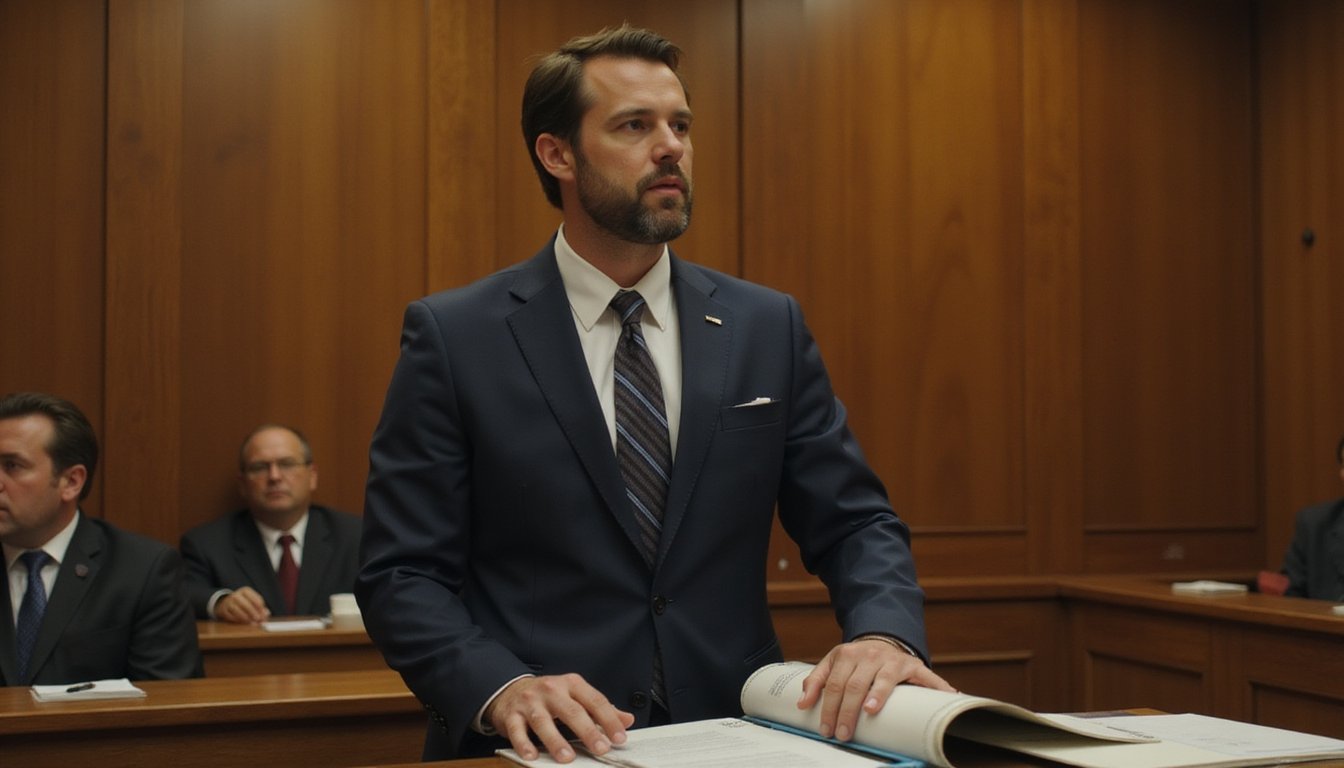
Before a single witness takes the stand, opening statements give each side its first real chance to speak directly to the jury. In any opening statement criminal case strategy, this moment sets the tone for everything that follows.
You should think of the opening as a roadmap. It previews the parties, the dispute, and the evidence you’ll encounter. It frames testimony before you hear it, so each witness’s role makes sense when they appear. Direct vs cross-examination play crucial roles in shaping the narrative presented to the jury. Understanding the difference between the two forms of questioning helps clarify how each witness contributes to the overall case.
But don’t mistake it for argument. No one’s asking you to decide anything yet. The opening describes what the evidence will show, nothing more. It establishes a theme, builds credibility, and gives you an agenda for what to watch. When done right, it makes later evidence feel familiar rather than surprising. Because of the primacy effect, jurors tend to remember information presented earlier in a trial more readily than what comes later.
Who Gives an Opening Statement First?
In criminal trials, the prosecution always speaks first because the government carries the burden of proving your guilt beyond a reasonable doubt. The defense then follows with its own opening statement, using that opportunity to challenge the government’s narrative and remind jurors that you’re presumed innocent. In some cases, the defense can even waive its opening statement entirely, a strategic choice that shouldn’t be overlooked. These statements are brief and serve as outlines for the jury, without involving the presentation of witnesses or evidence at this stage.
Prosecution Speaks First
Because the prosecution carries the burden of proving guilt beyond a reasonable doubt, the prosecutor delivers the first opening statement in a criminal trial. The prosecution opening statement isn’t evidence, it’s a roadmap. The prosecutor outlines expected testimony, identifies witnesses, and previews how each piece fits the government’s theory. You should understand that this first impression matters enormously, because it frames everything jurors hear next. The prosecutor leverages the rule of primacy to ensure their narrative is the one jurors remember most vividly throughout the trial.
- You’re already at a disadvantage before your attorney says a single word, the government speaks first and shapes the narrative.
- The prosecutor’s roadmap isn’t neutral, it’s designed to make conviction feel inevitable.
- What they don’t mention in their opening can reveal weaknesses they’re hoping you won’t notice.
Don’t accept the prosecution’s framework as fact. It’s a preview, not proof.
Defense Opening Follows
Once the prosecution finishes its opening statement, the defense gets its turn. Your attorney now has the advantage of having heard the government’s roadmap, and can respond directly to it. The defense opening statement isn’t about proving anything. It’s about exposing what the prosecution left out, what doesn’t add up, and why you’re presumed innocent.
Your lawyer will preview the evidence that undermines the state’s theory, identify witnesses who’ll challenge the prosecution’s narrative, and highlight gaps investigators never bothered to close. This is also where your attorney inoculates jurors against the government’s strongest points by addressing them head-on.
Some jurisdictions let defense counsel delay this moment, but most deliver it immediately after the prosecution. That timing matters, it’s your first real voice in the courtroom.
Waiving Opening Statements
Not every attorney delivers an opening statement, and that tactical choice can reshape the entire trial. Waiving the opening statement isn’t surrender; it’s calculated strategy. You should know that if the prosecution waives its opening, some jurisdictions block your defense attorney from delivering one immediately. Texas, for example, lets the defense reserve its opening until after the State rests.
- Your attorney’s silence isn’t weakness, it’s a deliberate move to avoid tipping strategy before the prosecution shows its hand.
- Timing matters more than you think, delaying your opening can expose gaps in the State’s case first.
- Jurisdiction dictates your rights, Michigan requires court consent to waive, while Texas preserves later opportunities.
Don’t assume waiving the opening statement means your attorney’s unprepared. Question the strategy, but trust the reasoning.
What the Prosecution Covers in an Opening Statement
When the prosecution stands to deliver its opening statement, it’s doing more than reciting facts, it’s building the framework through which jurors will interpret every piece of evidence that follows. The prosecution opening argument typically covers the charges, a narrative of what allegedly happened, and the witnesses you’ll hear from.
You should pay close attention to what’s included, and what’s left out. Prosecutors will name their witnesses, summarize expected testimony, and preview physical evidence. They’ll connect each piece to a theme designed to make guilt feel inevitable.
But here’s what matters for you: the prosecution can’t argue inferences or promise evidence it can’t deliver. If the opening overpromises, that’s a vulnerability your defense can exploit later. Every claim made now becomes a commitment the State must fulfill. Final persuasion in closing arguments can determine the outcome of a trial. Effective communication of your client’s story can create a compelling narrative that resonates with the jury.
How Defense Counsel Opens a Criminal Case
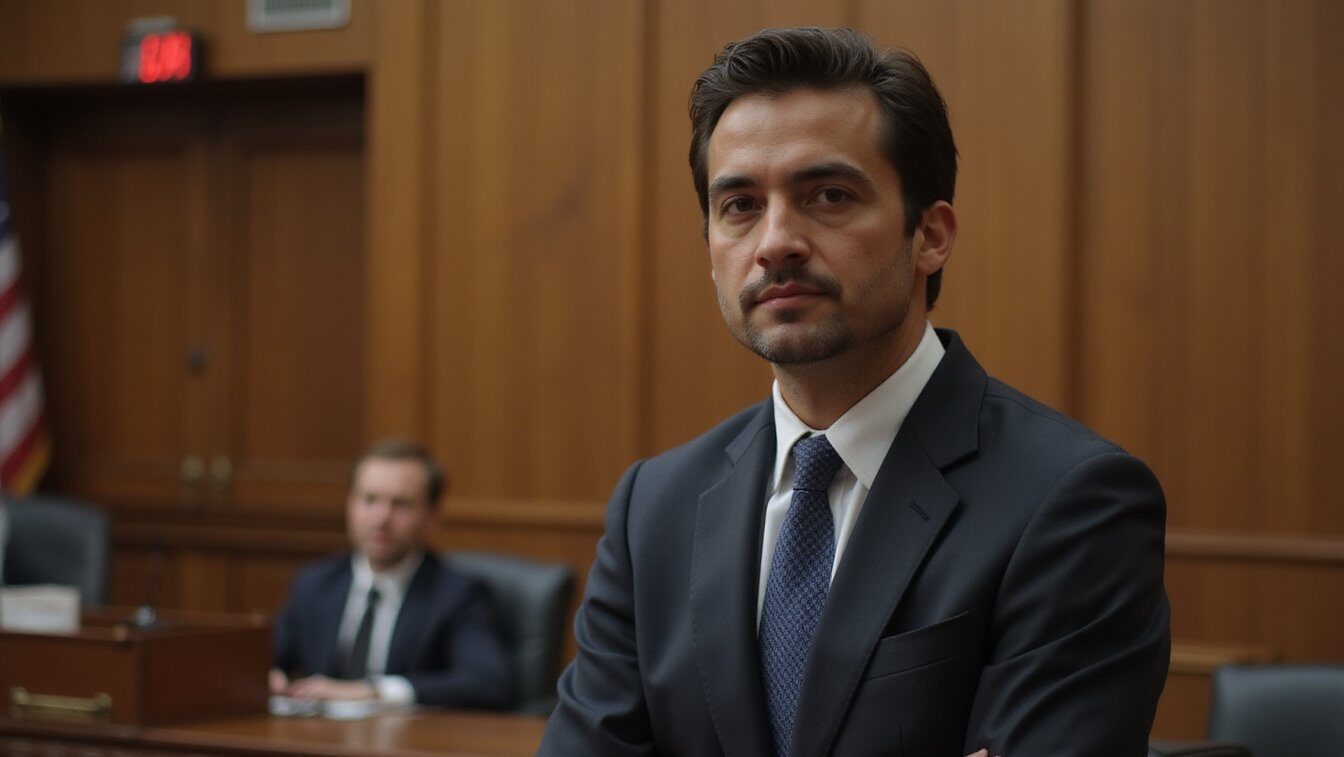
The prosecution has laid out its version of events, now it’s your attorney’s turn to reframe the entire picture. Your defense counsel doesn’t need to prove anything, that burden stays squarely on the government. Instead, a strong defense opening statement example highlights every crack in the prosecution’s foundation: inconsistent witnesses, missing evidence, and investigative shortcuts that should make you question the state’s narrative.
Your attorney’s opening serves as a roadmap, showing jurors exactly where the prosecution’s case falls apart. Inside the criminal trial process, it is crucial for jurors to understand each element of the case. The defense will methodically dismantle the prosecution’s arguments, highlighting inconsistencies and reasonable doubt.
- Your freedom hangs on whether jurors hear the full truth, not just the government’s version
- Every gap in the evidence is reasonable doubt the prosecution wants you to ignore
- Your attorney fights to guarantee no assumption goes unchallenged
This is where your defense begins taking shape.
Which Evidence and Witnesses to Preview for Jurors
| Prosecution Preview | Defense Preview |
|---|---|
| Core physical evidence and exhibits tied to elements | Weaknesses in the state’s investigation |
| Key witnesses with specific expected testimony | Witnesses whose credibility you’ll challenge |
| Chronological narrative connecting proof to charges | Burden of proof and presumption of innocence |
You’re building a roadmap, not arguing your case. Stay selective, stay honest, and connect every previewed item to your central theory during opening statements.
Themes That Make a Criminal Trial Opening Memorable
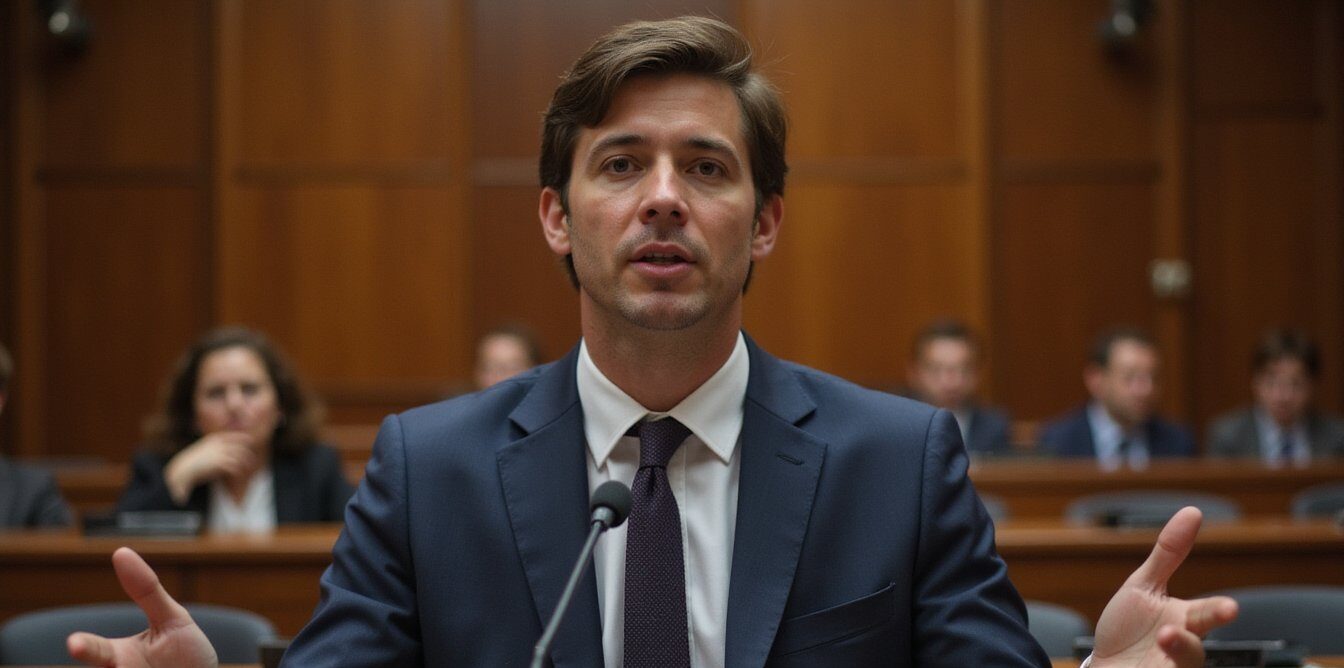
If you don’t repeat your theme early and often, jurors won’t remember it when deliberations begin. You’re better off weaving your strongest points into a story jurors can follow than rattling off legal terms and isolated facts they’ll tune out. A sharp, plain-language phrase repeated throughout your opening gives jurors something concrete to carry into the evidence phase, and eventually into the verdict.
Repetition Builds Juror Recall
Because jurors rarely take notes and must rely on memory alone, repetition isn’t a stylistic luxury, it’s a practical necessity. Your opening statement should anchor one clear theme and weave it throughout, not state it once and abandon it. Repeated phrasing gives jurors a mental framework for interpreting every witness and exhibit that follows. You’re not repeating yourself; you’re building recall.
Use trilogies, three linked words or ideas, to make your theme stick. Feeling-based trilogies outperform abstract ones because they create emotional hooks jurors carry into deliberation.
- Fear, isolation, desperation, words that make jurors feel your client’s reality
- A broken promise, a shattered trust, a life upended, phrases that demand accountability
- Planned, executed, concealed, structure that exposes intent without overstatement
Controlled repetition wins retention. Retention wins trials.
Storytelling Over Legal Jargon
Though jurors arrive expecting legal arguments, what they actually retain is a story, and your opening statement lives or dies on that distinction. Prioritizing storytelling over legal jargon means replacing statutory language with plain, vivid words that make events feel immediate. Short sentences hit harder. Concrete images stick longer.
Trial narrative development demands a human-centered approach, not a dry witness list. You’re building a story with a beginning, middle, and end, anchored by a single theme jurors can carry through deliberation. That theme should capture the dominant emotional truth of your case in capsule form.
Use conversational language. Drop the legalese. Give jurors a reason to listen, not an excuse to tune out. When your opening reads like a story, jurors follow it like one.
What Counsel Cannot Say in an Opening Statement
While opening statements give attorneys their first chance to frame the case, courts draw firm lines around what counsel can’t say. What is said in an opening statement must preview evidence, not argue conclusions, vouch for witnesses, or manipulate your emotions. Attorneys can’t offer personal opinions, reference inadmissible evidence, or comment on a defendant’s silence.
- You deserve facts, not theatrics. Inflammatory rhetoric and emotional manipulation have no place in opening statements, your decision should rest on evidence, not sympathy.
- Promises without proof are misconduct. If an attorney previews evidence they can’t deliver, they’re misleading you from the start.
- No one gets to guarantee credibility. Witnesses prove themselves on the stand, not through an attorney’s personal endorsement.
Stay skeptical. Hold both sides accountable.
How Long Should a Criminal Trial Opening Be?
How long should an opening statement actually last? There’s no fixed national time limit, but experienced trial lawyers favor brevity. Few cases require more than 30 minutes, and many effective openings run just ten to fifteen minutes. In straightforward matters like a simple DWI, five minutes can deliver everything you need.
Understanding how important opening statements are helps you use time wisely. You’re providing a roadmap, not retrying the case before evidence begins. Identify your key witnesses, preview critical exhibits, and explain relationships that matter. Then stop.
Long openings risk juror disengagement and information overload. Short openings preserve your credibility and leave detailed storytelling for witness testimony. Match your time to your case’s complexity, but always prioritize clarity over duration. Jurors remember concise previews far better than exhaustive ones.
Delivery Tips for a Stronger Opening Statement
- Start with your strongest fact. Don’t warm up, hit jurors with something they can’t ignore.
- Maintain steady eye contact. Reading from notes signals you don’t believe your own case.
- Humanize your client immediately. Jurors decide cases about people, not legal abstractions.
Practice until your delivery feels conversational, not rehearsed. Speak with restraint, overpromising destroys credibility faster than weak evidence does. Plant your theme in the first thirty seconds using concise, memorable language. If jurors can’t repeat your core message back, you’ve already lost ground.
Get the Trial Defense You Deserve
Every phase of a criminal trial matters, from jury selection to closing arguments, and skilled representation can shape the entire outcome. At Cobb Defense in Marietta, GA, our experienced attorneys provide trusted Criminal Defense with skill, dedication, and a personalized strategy. Call (770) 627-3221 today and take the first step toward protecting your rights.
Frequently Asked Questions
Can Jurors Ask Questions During Opening Statements in Criminal Trials?
No, you can’t ask questions during opening statements in a criminal trial. Opening statements aren’t evidence, they’re simply each side’s preview of what the proof will show. Courts don’t allow juror questions at this stage because it’d disrupt the adversarial process and risk introducing bias. If you’re serving on a jury and have questions, you’ll need to wait until witness testimony begins, and even then, only if the judge permits it.
What Happens if an Attorney Waives Their Opening Statement Entirely?
If your attorney waives opening, you’re giving the jury only the prosecution’s narrative before testimony starts, that’s a risky position. The defense can usually delay its opening until after the prosecution rests, but waiving entirely means jurors won’t hear your side’s framework at all during that critical first impression. Some jurisdictions require court approval to waive. You should question any decision to skip this strategic opportunity.
Are Opening Statements Recorded and Available to Jurors During Deliberations?
Opening statements typically aren’t recorded automatically or provided to you during deliberations. They’re not evidence, so you won’t find them in the jury room. In some jurisdictions like North Carolina, recording only happens if a party requests it. Even then, any transcript serves the court record, not your deliberation materials. You’ll decide the case based on admitted evidence and the judge’s instructions, not what attorneys previewed in their openings.
Can a Judge Stop an Opening Statement Midway Through Delivery?
Yes, a judge can stop an opening statement midway through. If your attorney starts arguing the case, references unsupported facts, or introduces prejudicial material, the judge has full authority to intervene. You should know this doesn’t violate your constitutional rights, courts don’t treat opening statements as protected speech. If the interruption unfairly harms your case, your attorney can seek a curative instruction or, in extreme situations, request a mistrial.
Do All Countries Use Opening Statements in Their Criminal Trial Systems?
No, not all countries use opening statements in their criminal trials. You’ll find them most consistently in adversarial, jury-based systems like the United States, where they’re a standard procedural step. However, many legal systems rely on written case summaries, judge-led proceedings, or entirely different trial structures that don’t include oral openings at all. Don’t assume your experience with U.S. courtrooms translates globally, you’d need jurisdiction-specific research to know what applies elsewhere.