On direct examination, you’ll use open-ended questions, who, what, when, where, why, and how, to build your case narrative through your own witnesses. Leading questions aren’t allowed unless you’re dealing with a hostile witness. On cross-examination, you’re expected to use leading questions that control the witness’s responses to yes-or-no answers. Cross is also limited to topics covered during direct. Understanding how scope limits, objection triggers, and expert testimony rules interact will sharpen your trial strategy even further.
What Do Direct and Cross-Examination Actually Do?
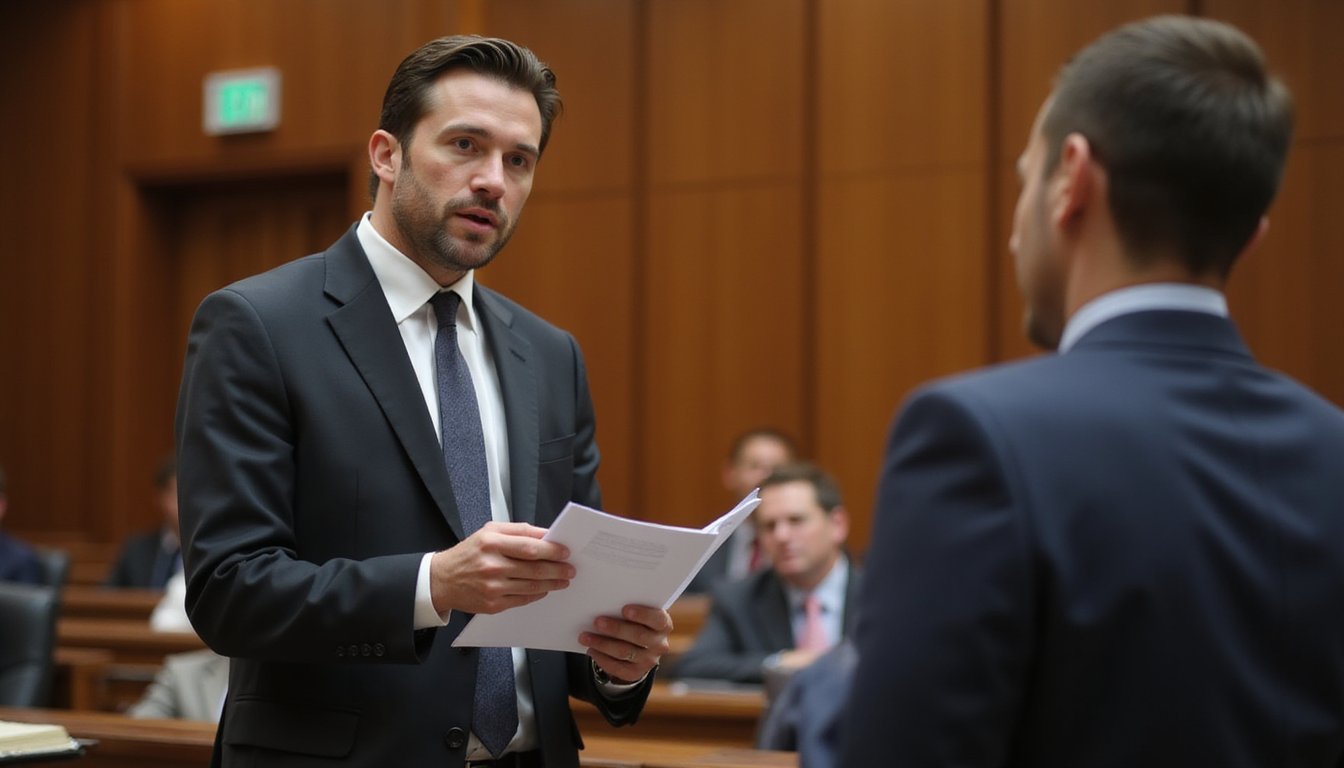
Every criminal trial depends on two distinct phases of witness questioning, direct examination and cross-examination, that serve fundamentally different strategic purposes. Understanding direct examination vs cross examination starts with recognizing their core functions. Criminal trial procedure in Georgia outlines the essential steps that lawyers must follow during both phases of witness questioning. The effectiveness of each phase can significantly influence the trial’s outcome.
During direct examination, you’re building your case through your own witness. You’ll use open-ended questions to develop testimony chronologically, guiding the fact-finder through your theory of the case. Direct supplies the initial factual record.
Cross-examination flips that dynamic entirely. You’re now targeting the opposing party’s witness, testing whether their account is complete, accurate, and trustworthy. You’ll use pointed, controlled questions to expose inconsistencies, bias, or memory gaps. While direct is explanatory, cross is adversarial and selective. Together, these examinations shape how the trier of fact evaluates disputed events and witness credibility. Throughout both phases, the court exercises reasonable control over examination to ensure effective truth determination, time efficiency, and witness protection.
How Direct Examination Builds Your Case Narrative
Direct examination isn’t just a sequence of questions, it’s the primary vehicle for constructing your case narrative in front of the fact-finder. You’re building a story, and every witness should serve a specific role within that larger structure.
Map your entire narrative early. Assign each witness the chapters they’re best positioned to support, then draft witness-specific outlines matching testimony to those sections. Use open-ended questions that let witnesses explain events naturally, short, simple, organized by topic.
Don’t default to rigid chronology. Starting with the central event or injury can be more persuasive. Break testimony into digestible pieces, use deliberate repetition for key facts, and leverage primacy and recency to anchor critical points. During direct examination, your goal isn’t mechanical coverage, it’s clear, credible, strategically sequenced storytelling. Never assume jurors will connect the dots on their own, since complexity must be presented clearly through each witness’s testimony to avoid gaps in understanding.
Why Cross-Examination Relies on Controlled Questions
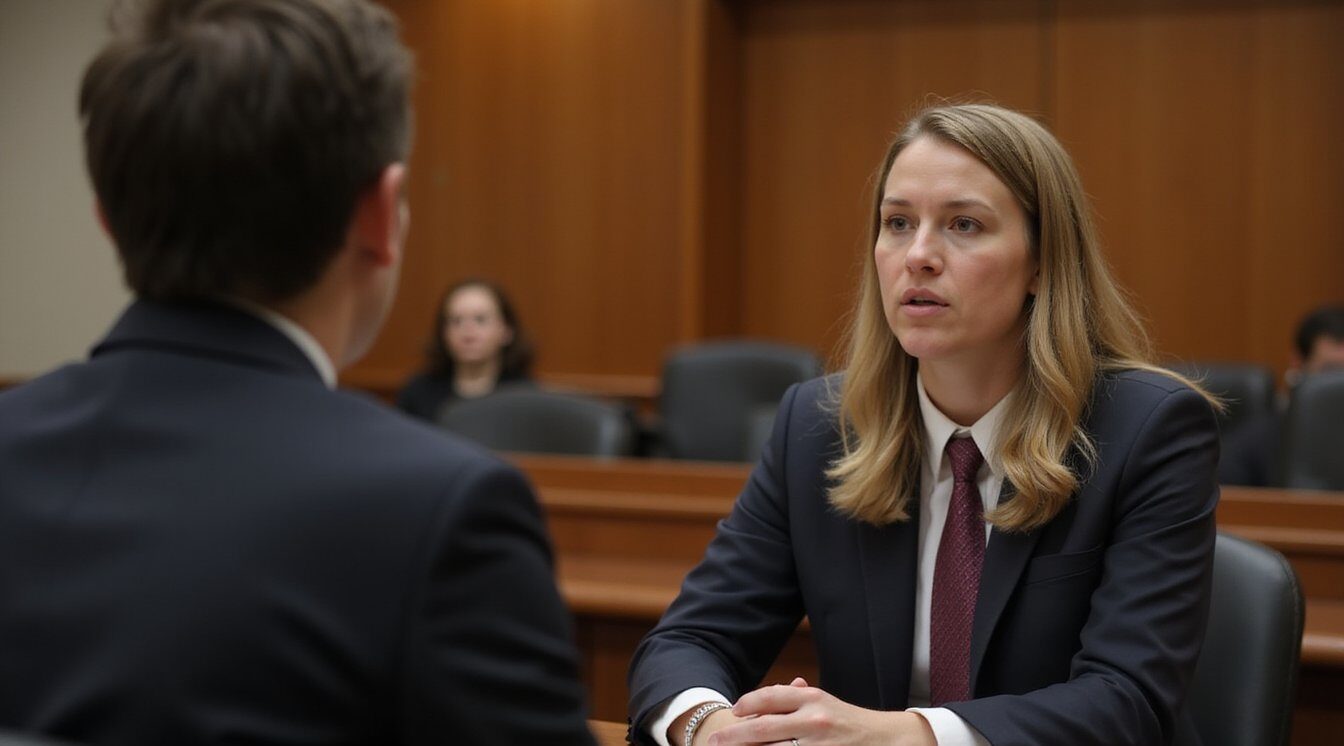
While direct examination invites witnesses to tell their story, cross-examination flips that dynamic, you’re no longer listening for a narrative; you’re dictating one. Controlled questions let you pin witnesses to specific facts, limiting their ability to explain, expand, or reframe testimony in their favor. This approach embodies the 3 Cs framework, where control, clarity, and conciseness work together to transform testimony into case-building blocks.
Here’s why controlled questions define effective cross-examination:
- They restrict responses. Short, leading questions demand yes-or-no answers, eliminating wiggle room.
- They expose inconsistencies. Tying each question to a single fact makes contradictions with prior statements unmistakable.
- They maintain pace. Concise questions keep testimony focused and prevent witnesses from hijacking the narrative.
- They protect relevance. Tight questioning reduces the risk of drifting into inadmissible or speculative territory.
You’re not exploring, you’re confirming. Every question should already have a known answer.
When Leading Questions Are and Aren’t Allowed
You can’t use leading questions during direct examination in most situations, courts expect you to let the witness provide testimony through open-ended questions rather than having counsel supply the answers. Cross-examination flips this rule, allowing you to ask leading questions that suggest specific answers and keep tight control over the witness’s responses. Understanding exactly when each rule applies, and the exceptions that can change the equation, gives you a critical strategic advantage at trial.
Direct Examination Restrictions
Because the testimony during direct examination should come from the witness rather than the attorney, courts generally prohibit leading questions at this stage. In direct vs cross examination, this distinction matters: direct requires open-ended questions that let the witness supply facts independently.
However, courts recognize specific exceptions where you can use leading questions on direct:
- Preliminary or introductory matters that establish background without controversy
- Hostile or adverse witnesses who resist cooperating with your questioning
- Witnesses with communication difficulties, including children or individuals with cognitive limitations
- Prior inconsistent statements that require directed questioning to address
Outside these exceptions, you should frame questions using “who,” “what,” “when,” “where,” “why,” and “how.” Avoid tag phrases like “isn’t it true” or “wouldn’t you agree,” which signal impermissible suggestion.
Cross-Examination Permissions
Unlike direct examination, cross-examination treats leading questions as the default. Federal Rule of Evidence 611(c) states that leading questions should ordinarily be allowed during cross-examination. Minnesota and New York follow the same structure, permitting leading questions as standard practice when you’re questioning an opposing witness.
However, this permission isn’t absolute. Courts retain discretion to restrict leading questions during cross-examination when the witness is sympathetic to your side rather than adverse. If your questioning exceeds the permitted scope, limited under Rule 611(b) to direct examination topics and credibility, you’ll operate under direct examination rules instead.
You should use leading questions strategically to secure concise admissions and credibility concessions. But recognize that judges can curtail this tool to prevent harassment, unfairness, or needless time consumption.
Scope Limits on Cross-Examination After Direct
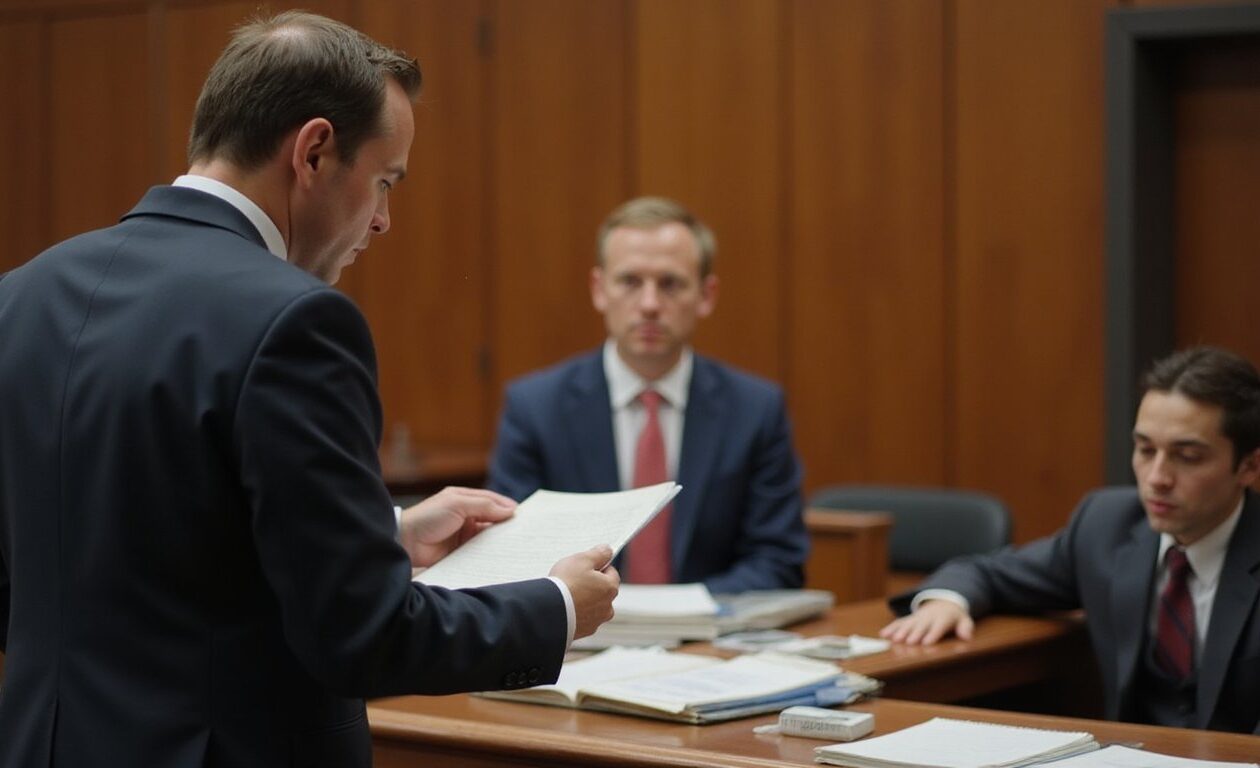
Under Federal Rule of Evidence 611(b), you can’t extend your cross-examination beyond the subject matter covered during direct examination and matters affecting the witness’s credibility. If you attempt to question a witness on topics the calling attorney didn’t raise on direct, the court will likely sustain an objection and shut down that line of inquiry. Understanding this scope restriction is critical to your trial strategy because it directly controls what information you can extract from each witness during cross-examination.
Federal Scope Rule
The rule creates four practical boundaries you must navigate:
- You’re restricted to facts, inferences, and explanations arising from direct testimony
- Witness credibility challenges, including bias, perception, memory, and prior inconsistent statements, remain independently available regardless of direct scope
- You’ll need the court’s leave to explore topics beyond direct, proceeding as if on direct examination
- Judges review scope objections under an abuse-of-discretion standard
You should track every subject opened during direct to preserve objections and structure effective cross-examination within these federal limits.
Beyond Direct’s Topics
However, judicial discretion creates flexibility. Courts may permit inquiry into additional topics when orderly proof isn’t disrupted. Your cross examination strategy should account for this, broader direct testimony from your opponent expands your permissible range on cross.
Some jurisdictions follow a minority rule allowing relevance-based cross-examination regardless of direct’s boundaries. Massachusetts, for example, lets you reach any relevant matter. Understanding your jurisdiction’s approach determines whether you can use the opponent’s witness to develop affirmative proof or must wait.
How Rule 611(B) Shapes Direct Vs Cross-Examination
Because Rule 611(b) limits cross-examination to the subject matter of direct examination and matters affecting credibility, it directly shapes how both sides plan and execute their questioning strategies. Under these courtroom testimony rules, your direct examination defines the battlefield for cross-examination.
Consider how Rule 611(b) governs trial testimony procedures through these evidentiary questioning rules: Understanding how strikes work in jury selection is crucial for maintaining an impartial jury. Jurors can be excused from service based on specific criteria, ensuring that biases do not influence the trial’s outcome.
- Direct examination strategy requires you to anticipate cross-examination boundaries, organizing witness questioning techniques to control which topics become fair game.
- Cross-examination scope stays tethered to what’s already been introduced, keeping challenges focused and efficient.
- Leading questions: courtroom rules shift between phases, restricted on direct, permitted on cross, creating distinct questioning dynamics.
- Credibility remains independently targetable, meaning you can always probe truthfulness regardless of direct’s subject matter.
Special Rules for Hostile Witnesses on Direct
While direct examination typically restricts leading questions to let the witness provide their own account, a critical exception applies when the witness is hostile, adverse, or identified with an adverse party. Under the hostile-witness exception, you can shift to leading, yes-or-no questions, effectively cross-examining your own witness.
The trial judge holds broad discretion to declare hostility based on demeanor, evasiveness, or antagonism.
| Factor | Friendly Witness | Hostile Witness |
|---|---|---|
| Question Style | Open-ended, narrative | Leading, pointed |
| Control | Witness drives testimony | Attorney controls pace |
| Impeachment | Restricted | Permitted under applicable rules |
Once you’ve established hostility, you can impeach with prior inconsistent statements and prevent the witness from controlling your narrative. The judge retains authority to limit unfair or cumulative questioning.
How Expert Testimony Changes Direct and Cross-Examination
When you call an expert witness, direct examination requires you to first establish the witness’s qualifications, education, training, and relevant experience, before eliciting any opinion testimony. This foundation-building phase distinguishes expert direct from lay witness questioning, because you must connect the expert’s credentials to the specific subject in dispute before the court permits opinion testimony. On cross-examination, you’ll shift your focus from narrative testing to challenging the expert’s methodology, assumptions, and the reliability of the underlying data supporting the opinion.
Expert Qualification On Direct
Before an expert witness can offer a single opinion on the stand, the attorney who called them must first lay a qualification foundation, establishing that the witness possesses specialized knowledge, skill, experience, training, or education sufficient to assist the jury on the subject at issue.
Expert testimony on direct examination typically follows four steps:
- Establishing the witness’s expertise through education, training, and professional background
- Confirming familiarity with the specific subject matter at issue
- Eliciting the expert’s opinion
- Eliciting the basis supporting that opinion
You should use open-ended questions during qualification so the expert can fully describe their credentials. Don’t tender the expert until you’ve built a sufficient record connecting their background to the exact topic they’ll address. Stay within the witness’s actual specialty, never overstate scope.
Cross-Examining Expert Opinions
Your cross-examination strategy should rely on short, leading questions that control the expert’s responses. Attack the factual basis underlying the opinion rather than challenging the expert’s general expertise. You can use authoritative treatises to test whether the opinion aligns with accepted science, provided you’ve established the publication’s reliability.
Prior testimony and publications offer powerful impeachment material when they contradict current opinions. Explore financial ties and repeat retention to suggest bias. Stay focused, scattered attacks dilute impact. A disciplined, theory-driven approach exposes weak opinions far more effectively than broad confrontation.
Why Improper Questions Draw Immediate Objections
Although direct and cross-examination serve distinct purposes, both operate under strict evidentiary rules that govern how attorneys may phrase their questions, and a single improper question can trigger an immediate objection that disrupts momentum, undermines credibility, or excludes critical testimony from the record.
One improper question can shatter your momentum and erase critical testimony from the record entirely.
During prosecution witness testimony, you’ll encounter four primary objection triggers: The role of counsel in opening statements is critical for setting the tone of the trial. It allows the attorney to highlight key facts and frame the narrative in a way that resonates with the jury. A strong opening can significantly influence how the evidence is perceived throughout the proceedings.
- Leading questions on direct, suggesting the answer violates Rule 611(c) and draws immediate challenge.
- Scope violations on cross, straying beyond direct examination topics invite sustained objections.
- Compound or vague questions, confusing structure undermines clarity and gives opposing counsel easy grounds to object.
- Argumentative or badgering questions, shifting from fact-finding to argument prompt judicial intervention.
You can’t afford sloppy question structure. Each objection risks losing testimony that strengthens your case.
How Re-Direct and Re-Cross Complete the Examination Cycle
Once cross-examination ends, the calling attorney doesn’t simply yield the witness, re-direct examination opens a critical window to repair damage, clarify distorted testimony, and rehabilitate credibility before jurors lock in their impressions.
Your re-direct examination strategy must target specific wounds inflicted during cross. You can’t rehash your entire direct; courts limit re-direct to cross-examination’s scope.
| Stage | Purpose | Scope Limitation |
|---|---|---|
| Re-Direct | Clarify, repair, rehabilitate | Topics raised on cross |
| Re-Cross | Challenge new matter from re-direct | New material from re-direct only |
| Judge’s Role | Control timing and breadth | Wide discretion over both stages |
Re-cross then gives opposing counsel one final opportunity to address anything new you’ve introduced. If re-direct raises no fresh material, the judge may deny re-cross entirely.
Get the Trial Defense You Deserve
Every phase of a criminal trial matters, from jury selection to closing arguments, and skilled representation can shape the entire outcome. At Cobb Defense in Marietta, GA, our experienced attorneys provide trusted Criminal Defense with skill, dedication, and a personalized strategy. Call (770) 627-3221 today and take the first step toward protecting your rights.
Facing Criminal Charges in Georgia?
A criminal charge in Georgia can put your record and your future at risk. At Cobb Defense, Attorney Gregory Chancy and his team help clients across Marietta and Cobb County fight these charges and work to get them reduced or dismissed. If you need help with criminal defense, call (770) 627-3221 today for a free consultation.
Frequently Asked Questions
Can a Witness Refuse to Answer Questions During Cross-Examination?
You generally can’t refuse to answer proper cross-examination questions simply because they’re uncomfortable or damaging. However, you can invoke a valid privilege, particularly the privilege against self-incrimination, if answering would expose you to criminal liability. If you refuse without legal justification, the court can order you to answer, strike your direct testimony, or impose sanctions. Your safest strategy is providing short, direct, responsive answers.
How Does Cross-Examination Differ in Jury Trials Versus Bench Trials?
In a jury trial, you’ll craft cross-examination to persuade lay jurors, emphasizing clarity, memorable themes, and credibility attacks they can easily follow. In a bench trial, you’re addressing a judge who tracks complex legal issues independently, so you can compress your questioning, focus on technical accuracy, and build the record more efficiently. The rules governing cross-examination don’t change, but your strategic approach should shift based on your fact-finder.
What Happens if a Witness Changes Their Testimony Between Direct and Cross?
If a witness changes their story between direct and cross, you can impeach their credibility using the prior inconsistent statement. You’ll confront the witness with the exact earlier version, whether from a deposition, police report, or discovery materials, and highlight the contradiction. This doesn’t automatically disqualify the testimony, but it greatly reduces the weight jurors assign it. You can then use leading questions on cross to lock in the revised account.
Are Cross-Examination Rules Different in Civil Cases Versus Criminal Cases?
The basic mechanics are largely the same, you’ll use leading questions, challenge credibility, and follow the scope of direct examination in both settings. The key difference is constitutional. In criminal cases, you’re protected by the Sixth Amendment’s Confrontation Clause, giving you a stronger right to confront witnesses against you. Civil cases don’t trigger that constitutional guarantee, so cross-examination operates purely under evidence rules and courtroom procedure.
Can Video or Audio Recordings Replace Live Witness Examination at Trial?
Recordings generally can’t replace live witness examination at trial. You need live testimony to preserve your right to cross-examine the witness, especially in criminal cases where the Sixth Amendment’s confrontation clause demands it. Courts may admit recordings as evidence, surveillance footage, authenticated videos, or forensic interviews, but they’re supplements, not substitutes. You’ll find limited exceptions for unavailable witnesses, but judges require demonstrated necessity before dispensing with in-person examination.