If you’ve been in a Georgia motorcycle crash, you’re likely facing serious injuries such as head trauma, traumatic brain injuries, broken bones, road rash, spinal damage, or internal trauma. The severity you suffer directly shapes your recovery and your claim’s value. Georgia follows modified comparative negligence, so you can recover only if you’re less than 50% at fault. Insurers often shift blame to reduce payouts. Here’s what you need to know to protect your rights.
Key Takeaways
- Common motorcycle injuries include head and spinal trauma, fractures, road rash, and internal organ damage with potential internal bleeding.
- Traumatic brain injuries can cause permanent memory loss, cognitive decline, or disability, even when a helmet is worn.
- Arms and legs suffer most fractures from instinctive bracing, with healing spanning months to years and lasting residual pain.
- Injury severity directly affects settlement value, as severe harm requiring surgery or long-term care carries higher compensation ranges.
- Georgia’s modified comparative negligence bars recovery at 50% fault, reducing compensation proportionally when the injured rider is partially responsible.
Georgia motorcycle accident statistics
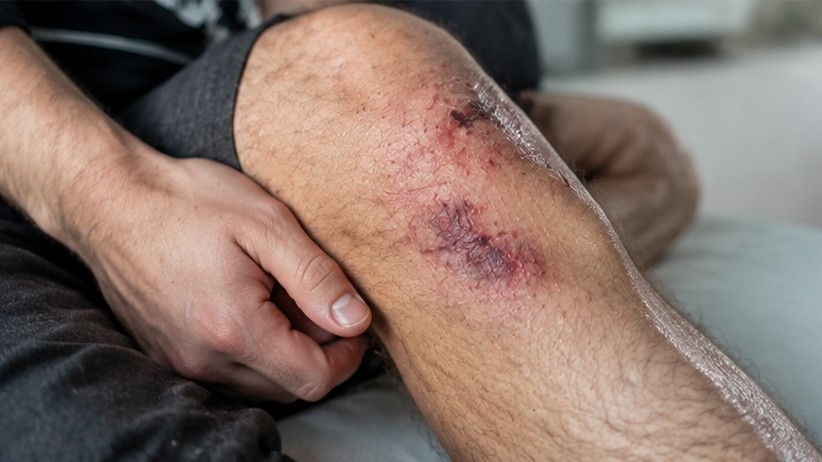
Motorcycle crashes in Georgia often leave riders facing some of the most severe injuries seen on the road. Riders exposed on a bike don’t have the protection an enclosed vehicle offers, so head injuries, spinal trauma, fractures, road rash, and internal organ damage consistently rank among the most common harms. Head injuries stand out as one of the top categories of crash harm across Georgia, and neck, back, and spine injuries account for up to 14.4% of motorcycle crash injuries in one cited NIH study.
Georgia crash reporting also distinguishes serious, incapacitating injuries from mild, visible ones. That distinction matters for you, because severe injuries like spinal cord damage, traumatic brain injury, and amputation carry substantially higher settlement ranges under Georgia reference data.
The most common motorcycle accident injuries
The most common motorcycle accident injuries fall into five categories: head and spinal trauma, fractures, road rash, and internal organ damage. Without a metal frame around you, the impact goes straight to your head, spine, bones, skin, and organs, and your body absorbs forces an enclosed vehicle would normally deflect. Georgia sources consistently point to these injury categories that dominate motorcycle claims.
| Injury Category | What It Involves |
|---|---|
| Head & Spinal | Traumatic brain injuries, concussions, herniated discs, paralysis |
| Fractures & Road Rash | Broken arms, legs, ribs, pelvis; skin loss requiring grafts |
| Internal Trauma | Damage to lungs, liver, spleen, kidneys; internal bleeding |
These injuries matter because their severity directly affects your recovery, your long-term prognosis, and the value of any claim you pursue under Georgia law.
Head and traumatic brain injuries

Head trauma ranks among the most frequent and devastating injuries motorcyclists face. Even when you’re wearing a helmet, the force of impact can still cause a traumatic brain injury, concussion, memory loss, or long-term disability. When your head strikes the ground, a vehicle, or another obstacle, the damage can be severe and permanent. In the worst cases, you may lose cognitive abilities, mobility, or sight for the rest of your life.
Georgia sources consistently rank head injuries among the top categories of motorcycle crash harm. These injuries often demand extensive treatment and lasting care. If you’ve suffered head trauma in a crash, understanding your rights under Georgia law matters more than ever.
Broken bones and injuries by body part
Arms and legs bear the worst of a motorcycle crash because instinct takes over when you go down. You reach out to brace yourself, and your limbs absorb the force. That’s why broken and fractured bones rank among the most common motorcycle accident injuries. You’ll frequently see fractures in the arms, legs, ribs, wrists, collarbones, shoulders, and pelvis.
These injuries aren’t minor. Healing can take months or even years, and residual pain may linger long after you’ve recovered. When you suffer multiple fractures or need surgical fixation, your outcome grows more serious, and under Georgia reference data, those cases carry higher settlement values.
If you’re facing this kind of recovery, understanding the severity of your injuries matters for your claim.
How serious motorcycle injuries are and their long-term effects

Motorcycle injuries range from mild to catastrophic, and their severity shapes both your recovery and your legal options. Georgia crash reporting separates serious, incapacitating injuries from mild injuries that are only visible or possible, and that distinction matters. Traumatic brain injuries can cost you cognitive ability, mobility, or sight permanently. Spinal cord damage may leave you with partial or full paralysis, breathing problems, or lost bladder and bowel control. Fractures can take months or years to heal, sometimes requiring surgical fixation and leaving lasting pain. Road rash may demand skin grafts and permanent scarring, while internal bleeding threatens your life. Because severe injuries like spinal damage, brain trauma, and amputation carry higher settlement ranges, documenting long-term effects protects your future.
Georgia’s helmet law and fault rules
Fault affects your motorcycle claim in Georgia through a modified comparative negligence rule with a 50% bar to compensation. That means you can still recover damages as long as your share of fault stays below 50%. If you’re found partly responsible, your compensation gets reduced by your percentage of fault. Once you reach 50% or more, you can’t recover anything.
This matters because insurers often try to shift blame onto you to reduce or eliminate what they owe. Your injuries may be severe, including spinal cord damage, a traumatic brain injury, or amputation, all tied to substantially higher settlement ranges in Georgia. Protecting your right to full compensation depends on keeping your fault low and documenting exactly how the crash happened.
Filing an injury claim and when to call a lawyer
Filing an injury claim after a motorcycle crash starts with documentation: medical records tying your injuries to the collision, the police report noting whether your injuries were serious or mild, and evidence showing exactly how the crash happened. Because Georgia follows a modified comparative negligence rule, your recovery drops if you’re partly at fault, and disappears entirely at 50% or more. That’s why fault matters as much as injury severity.
Call a lawyer when your injuries are serious, such as traumatic brain injury, spinal cord damage, multiple fractures, or internal organ trauma, because these cases involve high settlement values and aggressive insurer pushback. An attorney gathers evidence, counters attempts to shift blame onto you, and calculates damages covering surgeries, long-term care, lost income, and lasting disability.
Injured in a Motorcycle Crash? Protect Your Right to Compensation
Motorcycle accidents can cause serious injuries, long recovery periods, and substantial financial losses. A Georgia motorcycle accident lawyer at Cobb Defense can investigate fault, document your injuries, deal with insurance companies, and pursue compensation for medical expenses, lost income, pain and suffering, and other damages.
Call (770) 627-3221 or request a free case review today. Personal injury cases are handled on a contingency basis, so there is no fee unless compensation is recovered.
Frequently Asked Questions
How Long Do I Have to File a Motorcycle Injury Claim in Georgia?
In most Georgia motorcycle accident cases, you generally have two years from the date the personal injury claim accrues to file a lawsuit. Certain exceptions can shorten, extend, or otherwise affect the deadline, so it is important to review your case promptly. Waiting too long can also make it harder to preserve crash evidence, medical records, witness information, and other proof needed to support your claim.
Does Insurance Cover Motorcycle Accident Injuries if I Wasn’t Wearing a Helmet?
You may still be able to recover compensation, but not wearing a helmet can complicate a motorcycle injury claim. Georgia law generally requires motorcycle operators and passengers to wear approved protective headgear. If the lack of a helmet contributed to the severity of your injuries, an insurer or defendant may argue that your compensation should be reduced under Georgia’s comparative fault rules. The effect depends on the injuries and facts of the crash.
Can I Recover Damages if a Passenger Was Injured on My Motorcycle?
An injured motorcycle passenger may pursue compensation from the party or parties responsible for the crash. If another driver caused the collision, the passenger may have a claim against that driver’s insurance. If the motorcycle operator contributed to the accident, the operator’s insurance may also become relevant. Georgia’s comparative fault rules can affect recovery when more than one person shares responsibility for the injuries.
What Documents Should I Gather After a Motorcycle Accident?
Gather the police accident report, medical records, treatment bills, photographs of the crash scene and injuries, witness contact information, insurance correspondence, motorcycle repair estimates, and proof of lost income. Keep your helmet and riding gear in their post-crash condition because they may also become important evidence. These records can help establish liability, document the severity of your motorcycle accident injuries, and support the value of your claim.
How Are Pain and Suffering Damages Calculated in Georgia Motorcycle Cases?
Georgia does not use one fixed formula to calculate pain and suffering damages in motorcycle accident cases. The value can depend on factors such as the severity and duration of your injuries, medical treatment, permanent impairment, scarring, emotional distress, and how the injuries affect your daily life. Pain and suffering are considered general damages, and the appropriate amount ultimately depends on the evidence and circumstances of the case.