If you’re hurt in a Georgia boating accident, you can pursue compensation when someone’s negligence caused your injuries. Negligent operation includes unsafe speed, reckless wakes, or boating under the influence at 0.08 BAC or higher. Multiple parties might share liability, but you’ll need to act fast. Georgia gives you just two years to file. Your recovery also depends on staying below 50 percent at fault. Understanding these rules could make all the difference.
Key Takeaways
- A boating accident under Georgia law involves negligent vessel operation causing injury or damage, including unsafe speed, impaired operation, or reckless wake creation.
- Common injuries include traumatic brain injury, drowning, spinal cord damage, broken bones, lacerations, burns, hypothermia, and internal bleeding.
- Boating under the influence (BAC 0.08 or higher) triggers both criminal charges and civil liability under DNR regulations.
- Liable parties may include the operator, owner, rental company, marina, manufacturer, mechanic, or employer, with owner liability resembling auto-owner rules.
- Georgia applies modified comparative negligence, barring recovery if you are 50 percent or more at fault, with a 2-year statute of limitations.
What counts as a boating accident under Georgia law
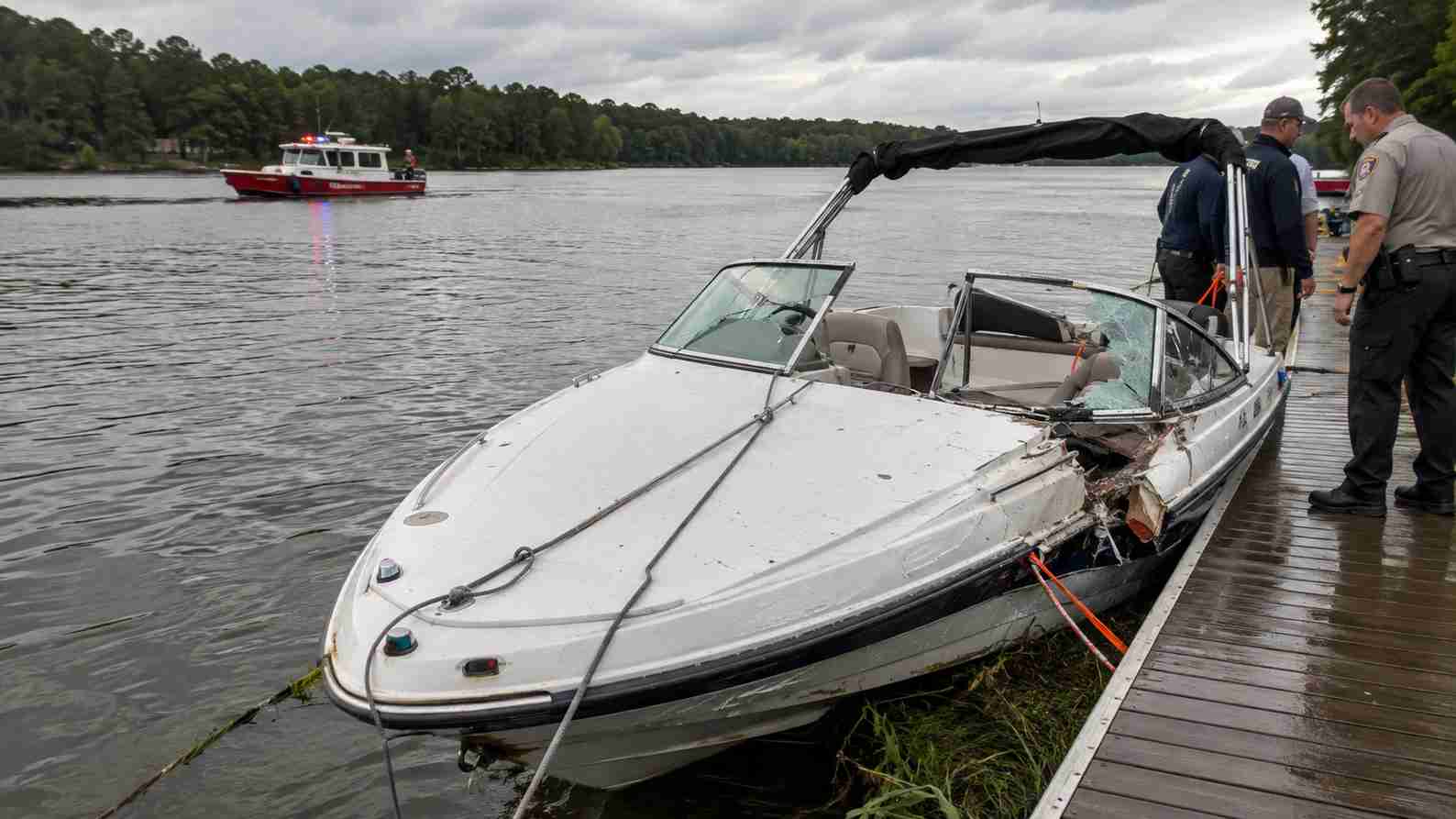
A boating accident under Georgia law is any incident where negligent operation of a vessel causes injury or damage. It’s not limited to high-speed collisions. You’re looking at any situation where someone fails to exercise reasonable care under the circumstances and causes harm as a result. What to do after a car accident includes gathering witness statements, insurance details, and other important information while understanding your rights and obligations. Taking prompt, appropriate steps can help protect you legally and financially.
These accidents can involve unsafe speed, reckless wake creation, impaired operation with a blood alcohol concentration of 0.08 or higher, no-wake zone violations, or failure to carry required safety equipment like properly sized life jackets. If negligence or a statutory violation contributes to your injury or property damage, it qualifies.
Fault can trigger civil liability, criminal liability, or both. Understanding what counts helps you identify whether you’ve got a viable claim worth pursuing.
Common boating accident injuries
Boating accidents can hurt you badly, depending on speed, impact, and whether you ended up in the water. Some injuries heal quickly. Others reshape your life and drive substantial medical costs and lost wages.
| Injury Type | Common Cause |
|---|---|
| Traumatic brain injury | Collision or fall against hard surfaces |
| Drowning or near-drowning | Ejection without a life jacket |
| Spinal cord damage | High-speed impact or propeller strike |
| Broken bones | Sudden wake, capsizing, or hard landings |
| Lacerations and burns | Propellers, fire, or fuel explosions |
You might also suffer hypothermia, internal bleeding, or emotional distress after a serious crash. When you document these injuries early, you strengthen your claim and protect your right to full compensation.
Georgia boating laws: DNR regulations and BUI

Georgia boaters often underestimate the rules that govern their time on the water. The Department of Natural Resources enforces boating regulations designed to protect everyone, and violating them can create both civil and criminal liability. Boating under the influence (BUI) is a serious offense: operating with a blood alcohol concentration of 0.08 or higher can support fault findings and criminal charges. Beyond impairment, you’re expected to follow navigation rules and equipment requirements.
Key regulations you can’t afford to ignore include:
- No-wake zones, reckless wake creation supports liability
- Safety equipment, carry properly sized life jackets
- BUI limits, 0.08 BAC or higher triggers liability
When you break these rules, you risk penalties, injuries, and legal exposure that follow you ashore.
Who is liable in a Georgia boating accident
Multiple parties can be liable in a Georgia boating accident, including the operator, owner, rental company, marina, manufacturer, mechanic, employer, or tour provider who failed to exercise reasonable care. Georgia handles boating claims under negligence and watercraft-liability rules, so you’ll evaluate whether any of these parties acted negligently. Breaking DNR regulations sets the stage for a liability claim, but figuring out who actually pays for your injuries requires a closer look at everyone connected to the vessel. Georgia ride share accident can involve complex liability issues. Gathering evidence and reviewing relevant rideshare policies can help clarify potential negligence and liability.
The operator’s a common target for unsafe speed, impaired boating, or navigation-rule violations. But you can also pursue the owner, since Georgia treats vessel-owner liability much like automobile-owner liability when the boat’s used with express or implied consent. The state even presumes consent when a spouse or immediate family member’s operating.
Under Georgia’s modified comparative negligence rule, you’ll recover if your fault stays below 50 percent.
Georgia’s comparative negligence rule
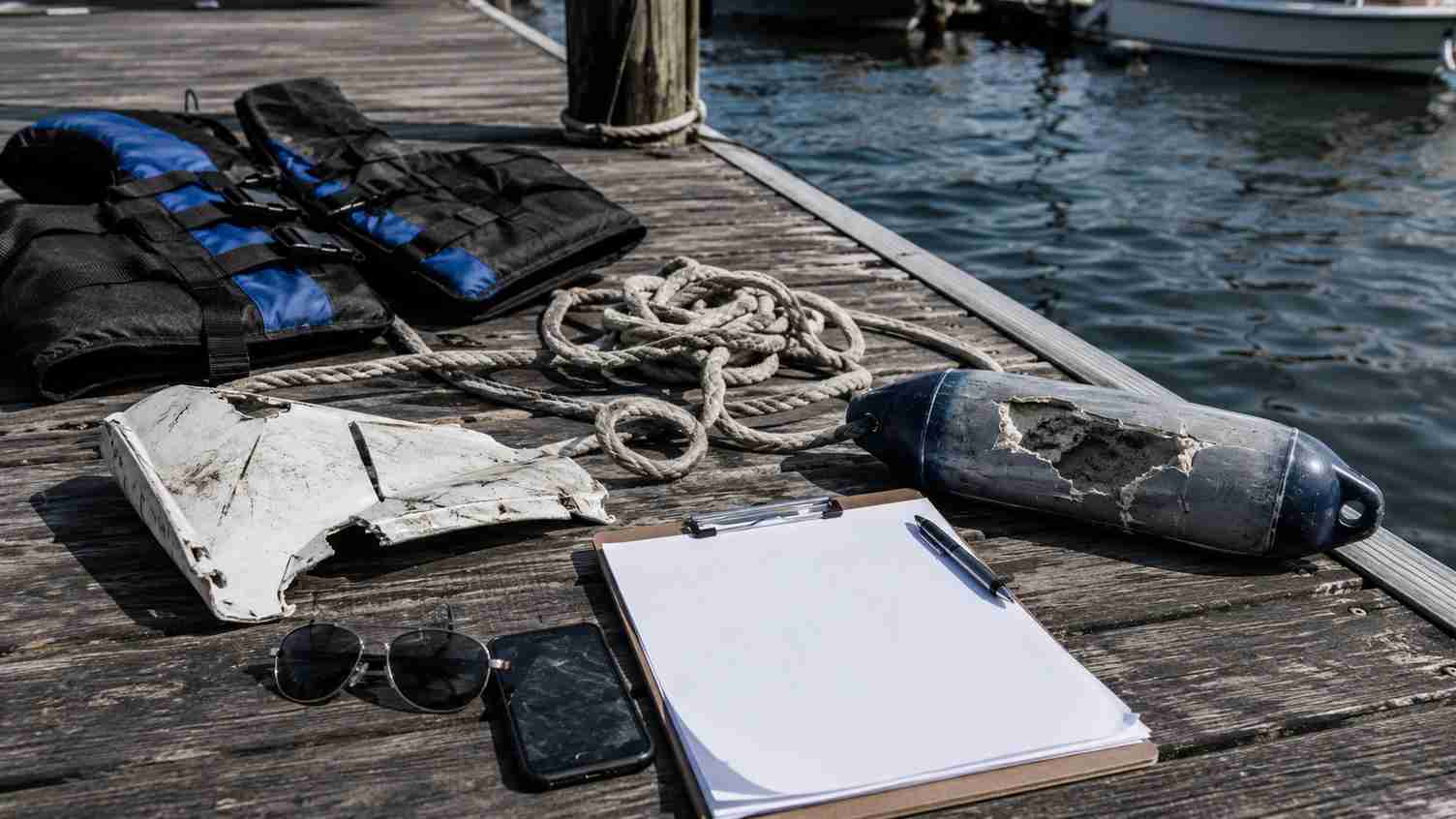
Georgia’s modified comparative negligence rule determines whether you recover anything at all when fault gets divided. Under this framework, you can recover damages only if your share of fault stays below 50 percent. Cross that threshold, and you’re barred from recovery entirely.
When your fault falls under that line, your damages get reduced by your percentage of responsibility. Consider how this plays out:
- If you’re 20 percent at fault on a $100,000 claim, you recover $80,000.
- If you’re 49 percent at fault, you still recover, but only 51 percent of your damages.
- If you’re 50 percent or more at fault, you recover nothing.
That’s why establishing the other party’s greater share of fault matters so much to your outcome.
Georgia’s 2-year statute of limitations
For most recreational boating injury claims in Georgia, you have two years from the accident date to file your lawsuit. Miss that deadline, and the court will likely dismiss your case, no matter how clearly the other party breached their duty. Car insurance after an accident can involve higher premiums and complicated claims. Understanding your policy, coverage, and rights can help you navigate the process and pursue appropriate compensation.
Don’t wait to act. Boating claims often depend on witness statements, vessel condition, operator conduct, and documented rule violations, all of which fade or disappear over time. The sooner you preserve evidence, the stronger your position.
Keep in mind that certain circumstances can shorten or alter this window, so you shouldn’t assume you have the full two years. Consult a qualified attorney early to confirm your specific deadline and protect your right to recover.
Filing a boating accident lawsuit in Georgia
A boating accident lawsuit in Georgia is a negligence case that hinges on four elements: duty, breach, causation, and damages. You must prove the responsible party owed you reasonable care, failed to exercise it, and directly caused your injuries and losses.
You’ll need to identify every potentially liable party:
- Operators who acted negligently through unsafe speed, impairment, or navigation-rule violations
- Owners who gave express or implied consent, including immediate family members
- Rental or charter companies that knew or should’ve known an operator was unsafe
Because Georgia applies modified comparative negligence, your fault must stay below 50 percent to recover. Gather witness statements, vessel evidence, and documentation early to strengthen your claim before filing.
When to call a Georgia boating accident lawyer
You should call a Georgia boating accident lawyer as soon as possible after an incident. Georgia’s two-year statute of limitations moves quickly, and critical proof, including witness statements, vessel condition, operator conduct, and rule violations, can vanish within days. If you’ve suffered serious injuries, face disputed fault under comparative negligence, or confront multiple potentially liable parties like owners, liveries, or manufacturers, you’ll want experienced guidance early. A lawyer can preserve evidence, identify consent-based owner liability, evaluate negligent-entrustment and product-defect theories, and calculate damages including medical costs, lost wages, and property loss. Don’t attempt to negotiate with insurers alone when your recovery depends on fault staying below 50 percent. Act promptly to protect your rights. Injured in a car accident may benefit from professional legal guidance to understand your rights, navigate the claims process, and pursue appropriate compensation.
Injured in a Boating Accident? Protect Your Claim
A boating accident can leave you facing serious injuries, medical bills, and complicated insurance questions. A Georgia boating accident lawyer at Cobb Defense can investigate liability, identify available insurance coverage, and pursue compensation from the responsible parties.
Call (770) 627-3221 or request a free case review today. There is no fee unless compensation is recovered.
Frequently Asked Questions
Does My Homeowner’s Insurance Cover a Boating Accident Claim?
Homeowner’s insurance may cover some boating accident claims, but coverage depends on the policy and the type of vessel involved. Larger or more powerful boats may be excluded or require separate watercraft insurance. Georgia does not require boat owners to carry liability insurance, so it is important to review homeowner’s, watercraft, and other available policies after an accident.
Can I Recover Damages if I Wasn’t Wearing a Life Jacket?
You may still be able to recover compensation if you were not wearing a life jacket. Georgia follows a modified comparative negligence system, which can reduce compensation based on your percentage of fault. If you are found 50 percent or more responsible, recovery may be barred. Whether the lack of a life jacket affects your claim depends on how it contributed to your injuries and the facts surrounding the accident.
What Should I Do Immediately After a Boating Accident?
Get to safety and seek medical attention first. Report the boating accident when required under Georgia law, exchange information with the operator and boat owner, gather witness contact details, and photograph the vessels, injuries, and surrounding conditions if possible. Because evidence can disappear quickly after a water accident, documenting the scene early can help protect a potential injury claim.
Are Jet Skis Treated the Same as Boats Legally?
Jet skis and other personal watercraft are generally treated as vessels under Georgia boating laws. An injured person may have a claim against a negligent operator, vessel owner, rental company, or another responsible party depending on how the accident occurred. Liability, insurance coverage, and comparative fault can all affect the outcome of a personal watercraft accident claim.
Can I Sue a Boat Manufacturer for a Defective Vessel?
You may be able to bring a product liability claim if a defective boat or component caused or contributed to your injuries. Georgia product liability cases can involve design defects, manufacturing defects, or inadequate warnings and instructions. Proving the claim generally requires showing that the product was defective and that the defect contributed to the injury.