After an Uber or Lyft crash in Georgia, your recovery depends on the driver’s app status at impact. If a ride was accepted or you were a passenger, up to $1 million in liability coverage may apply. But you’ll need strong evidence such as police reports, photos, and trip data to prove fault and maximize your claim. Georgia gives you two years to act. Below, you’ll discover exactly how to protect your rights and what your case is truly worth.
Key Takeaways
- Georgia uses a fault-based system, so liability depends on who caused the crash, the rideshare driver, another motorist, Uber/Lyft, or another entity.
- Rideshare insurance is phase-based: coverage ranges from the driver’s personal policy to Uber/Lyft’s full $1 million liability policy when a passenger is onboard.
- Case value depends on medical bills, lost income, property damage, pain and suffering, liability strength, and the app status at the time of the crash.
- Strong documentation like police reports, witness statements, trip data, and scene photos can significantly increase your recovery.
- Georgia’s two-year statute of limitations starts on the collision date, so preserve app data and contact a rideshare accident lawyer promptly.
What to do after an Uber or Lyft accident in Georgia
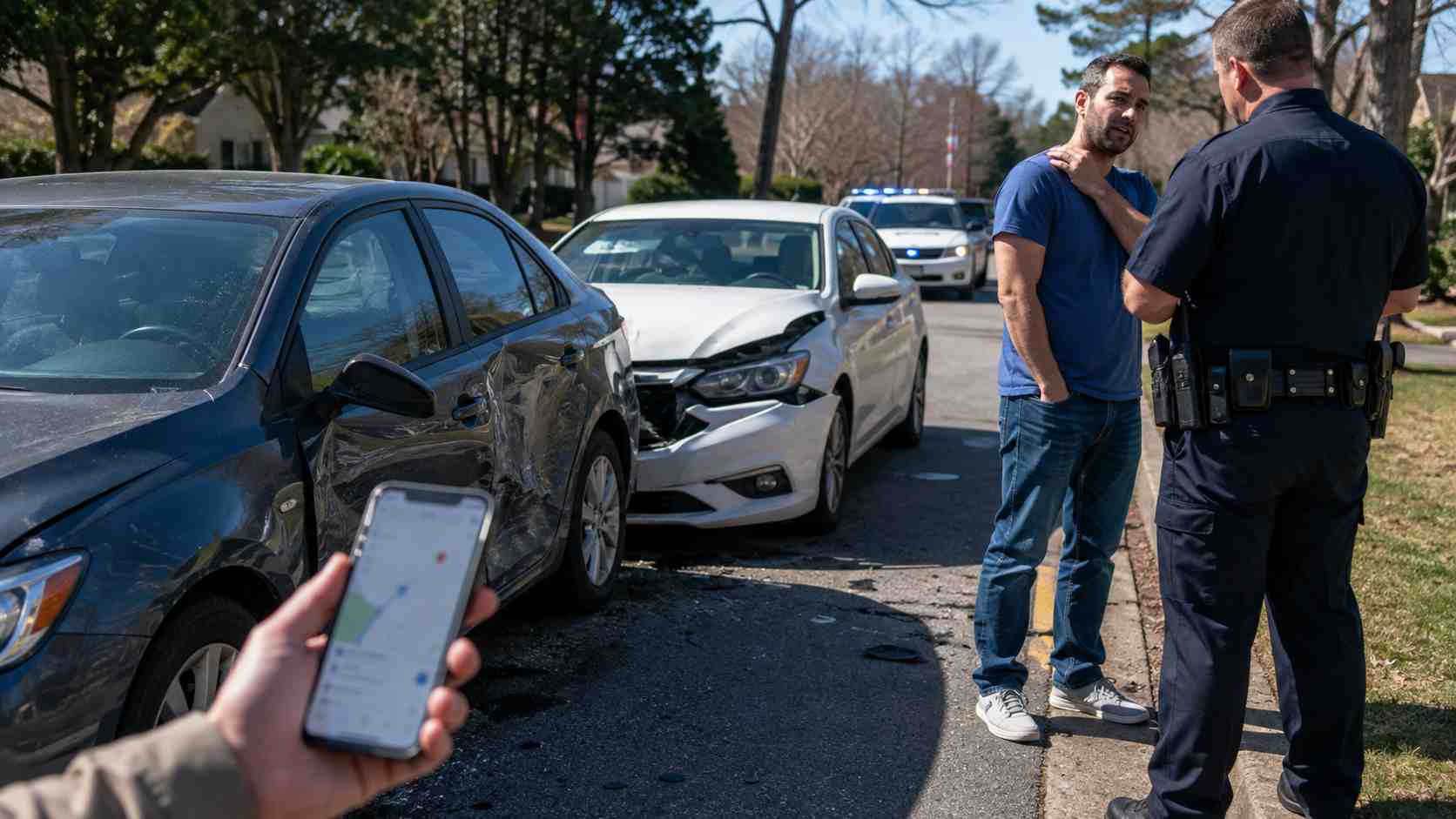
After an Uber or Lyft accident in Georgia, check for injuries and call 911, since a police report becomes critical evidence later. Get medical attention even if you feel fine, because some injuries surface days afterward.
Then, protect your case. Photograph the scene, vehicle damage, and any hazards. Collect names, contact details, and insurance information from every driver involved, and gather witness statements while memories are fresh.
Screenshot your app to confirm the trip status, whether the driver was waiting, had accepted your ride, or was mid-trip. This determines which insurance layer applies.
Report the crash to Uber or Lyft, but don’t give recorded statements or accept quick settlements before speaking with an attorney.
Who is liable: driver, Uber, or the app
Liability after a Georgia rideshare crash falls on the driver, Uber, or another party depending on who caused the crash, because fault, not the size of a company, drives compensation here. Georgia follows a fault-based system, so the party that caused your crash typically pays. Since Uber and Lyft treat drivers as independent contractors, direct company liability is often disputed, and claims usually target the negligent driver instead. Corporate negligence theories can apply in narrower situations.
| At-Fault Party | When They’re Liable | What Responds |
|---|---|---|
| Rideshare driver | Driver’s negligence | Personal or rideshare policy |
| Another motorist | Other driver caused crash | Their insurance |
| Uber/Lyft | Negligent screening, ignored complaints | Corporate liability |
| Manufacturer | Defective vehicle part | Product liability |
| Government entity | Poor road design, bad signals | Public claim |
Proving fault protects your recovery.
How Uber and Lyft’s $1 million insurance works
Uber and Lyft’s $1 million insurance works through a phase-based structure tied to the app’s status at the moment of your crash. This higher-limit policy kicks in only once a driver has accepted a ride or has a passenger onboard. During that active-trip phase, the coverage can protect passengers, other motorists, and pedestrians alike.
Here’s how the phase-based structure applies to your claim:
- App off: only the driver’s personal auto insurance responds.
- App on, waiting for a request: contingent coverage of $50,000/$100,000/$25,000 may apply.
- Ride accepted or passenger onboard: the full $1 million liability policy applies.
- Active trip: covers injuries to passengers, drivers, and pedestrians.
- Proof matters: app and trip data confirm which layer covers you.
That’s why documenting app status is critical.
Passenger vs. driver: your rights after a rideshare accident
Your rights after a rideshare accident depend on where you sit in the crash. As a passenger, you’re almost never at fault, which strengthens your position. If your driver accepted the ride or you were onboard, the $1 million liability policy generally applies, giving you access to substantial coverage for injuries, lost income, and pain and suffering.
As the rideshare driver, your rights depend on app status and who caused the crash. If another motorist hit you, their insurance is typically your primary source of recovery, with UM/UIM protection stepping in when their limits fall short.
Either way, you’ll need proof of app status, the police report, and trip data. Acting within Georgia’s two-year deadline protects the compensation you’re owed.
Georgia’s fault and comparative negligence rules

How does fault work in Georgia? Georgia follows a fault-based system, so compensation generally comes from the party that caused your crash. Whether that’s the rideshare driver, another motorist, or a third party like a vehicle manufacturer, the at-fault party’s insurance typically responds. Because Uber and Lyft drivers are usually treated as independent contractors, direct company liability is often disputed, though narrower theories like negligent screening can still apply.
- If the rideshare driver caused it, their liability plus rideshare coverage may respond, depending on app status.
- If another driver’s at fault, that driver’s insurance is usually primary.
- If the app was off, only personal coverage applies.
- Contingent coverage may fill gaps during the waiting period.
- Government entities may share liability for hazardous roads.
What affects a rideshare accident settlement’s value
Several factors shape what your rideshare claim is actually worth. Liability strength matters most. The clearer the other party’s fault, the stronger your position. Your medical bills, lost income, property damage, and pain and suffering all add up. But the app’s status at the moment of the crash can make or break your recovery. If your driver had accepted a ride or carried a passenger, you may access up to $1 million in liability coverage. If the driver was only waiting for a request, you’re likely capped at $50,000/$100,000/$25,000 unless other coverage applies. When another motorist caused the wreck, that driver’s policy limits your recovery unless UM/UIM applies. Solid documentation, including police reports, witness statements, and trip data, can significantly increase what you ultimately receive.
Georgia’s 2-year statute of limitations
Georgia gives you just two years from the date of the crash to file a personal injury claim, and the clock starts ticking the moment the collision happens. Miss that window, and you’ll likely lose your right to recover anything, no matter how strong your case is. Acting quickly protects your claim and preserves the evidence you’ll need to prove fault.
- File within two years of the crash date, or a narrow exception must apply.
- Preserve app and trip data before it disappears or gets overwritten.
- Secure the police report and witness statements while memories stay fresh.
- Identify the at-fault driver early, before contact details go cold.
- Confirm available insurance coverage before deadlines complicate your recovery.
Don’t wait, delay only weakens your position.
When to call a Georgia rideshare accident lawyer
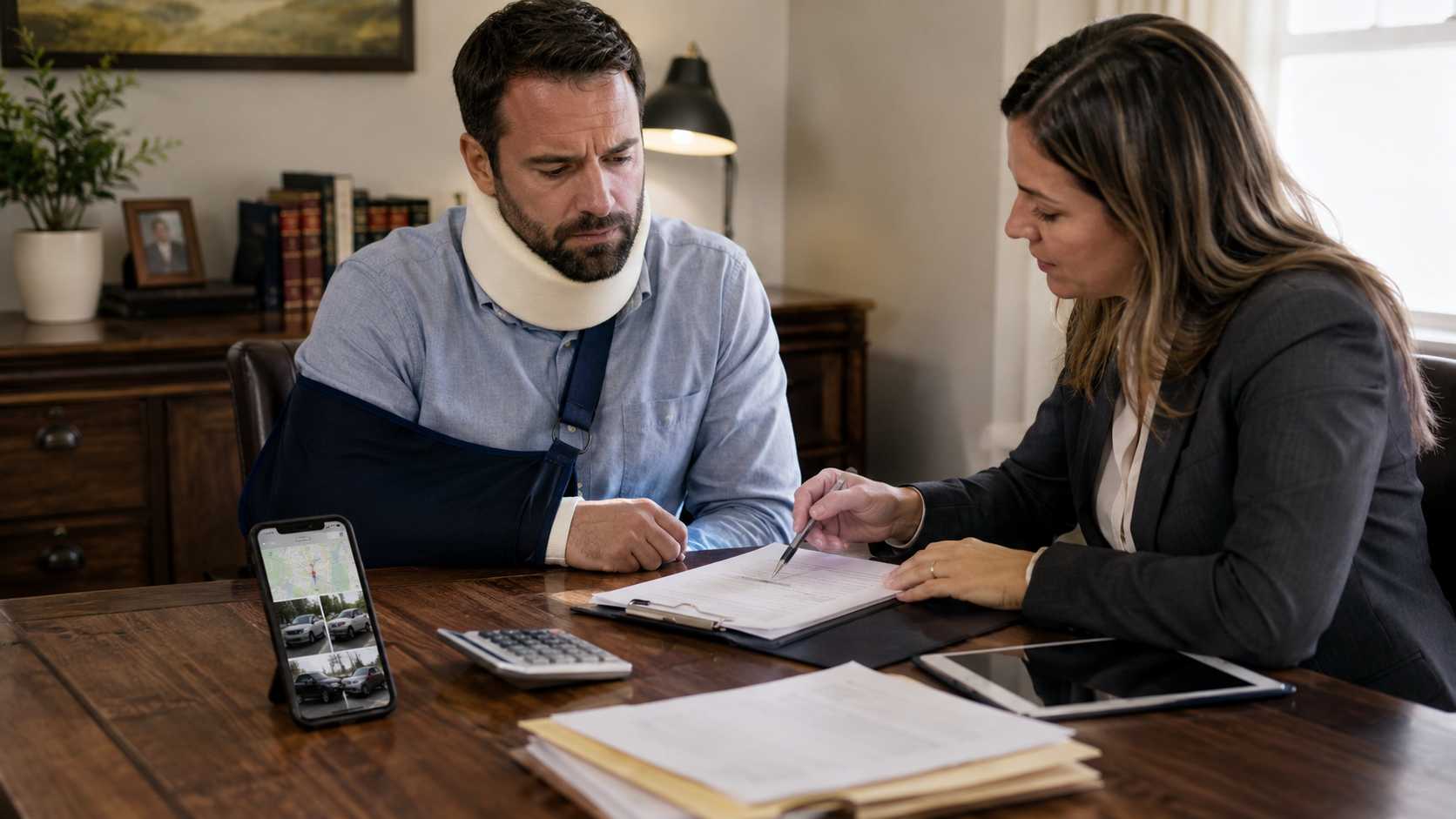
Call a Georgia rideshare accident lawyer immediately after seeking medical care, ideally before you speak with any insurance adjuster. The sooner you act, the easier it is to preserve app and trip data, secure police reports, and lock down witness statements before they disappear.
You’ll especially want legal help when app status is disputed, when liability’s unclear, or when serious injuries push your claim toward that $1 million active-trip layer. If another driver caused the crash, or a government entity shares fault, the situation gets complicated fast.
Injured in an Uber or Lyft Crash? Get Legal Help
Rideshare accident claims can involve multiple insurance policies and disputes over who is responsible. A Georgia Uber and Lyft accident lawyer at Cobb Defense can investigate the crash, identify available coverage, and pursue compensation for your injuries and losses.
Call (770) 627-3221 or request a free case review today. Cobb Defense handles personal injury cases on a contingency basis, so there is no fee unless compensation is recovered.
Frequently Asked Questions
Can I Sue Uber if the Driver’s Insurance Will Not Pay?
You may still have options if the rideshare driver’s personal insurance denies or does not fully cover your claim. Uber maintains liability coverage that can apply depending on whether the driver was waiting for a ride request, traveling to pick up a passenger, or completing a trip. During an accepted trip, Uber generally maintains at least $1 million in third-party liability coverage. Claims directly against Uber itself depend on the specific facts and legal basis of the case.
Does My Own Auto Insurance Cover Rideshare Accident Injuries?
Your own auto insurance may provide additional coverage after a rideshare accident, depending on your policy. Uninsured or underinsured motorist coverage may apply when the at-fault driver does not have enough insurance, while MedPay may help cover qualifying medical expenses if included in your policy. Coverage varies significantly, so review your policy and identify every available source of compensation before accepting a settlement.
What if I Was Injured as a Pedestrian by a Rideshare Driver?
A pedestrian injured by an Uber or Lyft driver may pursue compensation from the responsible driver and any applicable rideshare insurance policy. The amount and type of coverage available often depend on the driver’s app status at the time of the crash. Uber and Lyft generally maintain at least $1 million in third-party liability coverage while a driver is traveling to pick up a passenger or completing a ride.
Are Uber and Lyft Passengers Required to Wear Seatbelts in Georgia?
Georgia seat belt requirements can depend on factors such as the passenger’s age and seating position. Regardless of the specific requirement, wearing an available seat belt is an important safety measure in any rideshare vehicle. Recent Georgia legislation also changed how evidence of seat belt use may be considered in certain civil injury cases, so the effect on a rideshare accident claim can depend on when the case arose and was filed.
Can Undocumented Immigrants File a Rideshare Accident Claim in Georgia?
Immigration status does not automatically prevent an injured person from pursuing a personal injury claim after a rideshare accident in Georgia. A claim generally focuses on issues such as fault, insurance coverage, injuries, and resulting damages. Because immigration-related issues can complicate individual cases, an injured person should discuss their circumstances confidentially with a qualified Georgia attorney. Personal injury claims in Georgia are also generally subject to a two-year statute of limitations, although exceptions can apply.