Your loved one keeps every right to dignity, safety, and proper care in a Georgia nursing home. Abuse means intentional harm, physical, emotional, sexual, or financial. Neglect means failing to provide adequate care, leading to malnutrition, dehydration, or bedsores. With roughly 1 in 10 cases ever reported, you’re their strongest protection. Watch for unexplained injuries, sudden withdrawal, or missed medications. Below, you’ll find the warning signs, your rights, and exactly how to respond.
Key Takeaways
- Abuse involves intentional harm, physical, emotional, sexual, or financial, while neglect is the failure to provide adequate care like food, hydration, or medication.
- Every Georgia nursing home resident has the right to dignity, appropriate care, safety from abuse, financial protection, and investigation of complaints.
- Watch for warning signs including unexplained bruises, fractures, malnutrition, dehydration, bedsores, missed medications, and sudden emotional withdrawal or fear.
- Abuse is widespread, with roughly 1 in 5 nursing home residents experiencing some form of mistreatment within the past year.
- Protect loved ones through frequent visits, documented observations, and prompt reporting to Adult Protective Services, Georgia DCH/HFR, or 911 in emergencies.
What nursing home abuse and neglect are
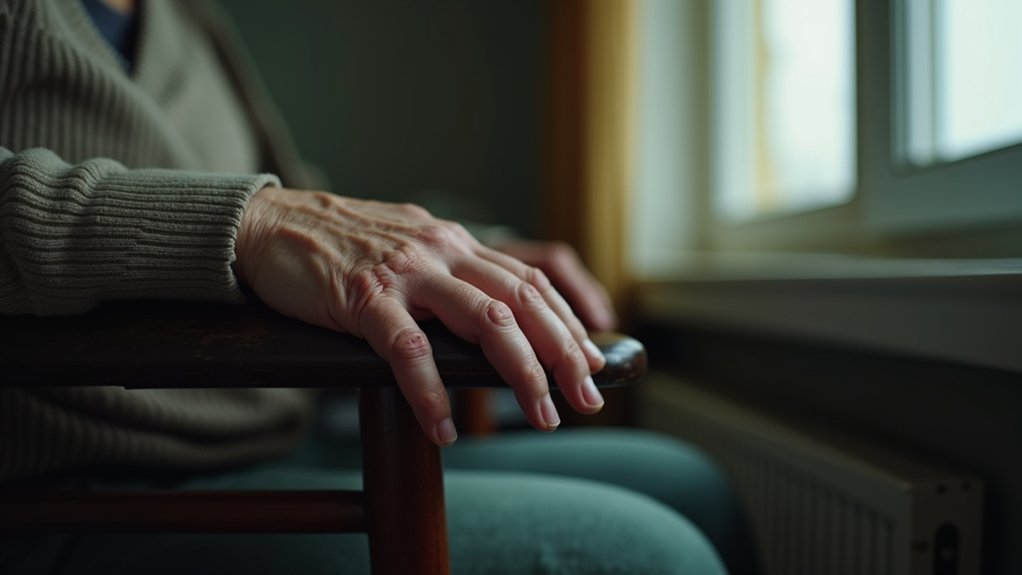
Nursing home abuse and neglect are two distinct forms of harm that violate a resident’s dignity, health, and safety. Abuse means intentional harm, including physical violence, psychological or emotional mistreatment, sexual assault, or financial exploitation. Neglect is the failure to provide adequate care, leaving your loved one malnourished, dehydrated, or suffering from bedsores.
In Georgia, residents keep the right to be treated with dignity, receive appropriate care, and stay protected from abuse, neglect, and exploitation. These aren’t privileges; they’re guaranteed protections.
Understanding what these harms look like helps you act. Physical abuse, gross neglect, and financial exploitation appear repeatedly in elder-care statistics. When you recognize the difference, you’re better prepared to spot warning signs and respond quickly.
The rights every nursing home resident has
Every nursing home resident in Georgia has the right to be treated with respect, receive appropriate care, and stay protected from abuse, neglect, and exploitation. Dignity anchors every protection your loved one holds. These rights aren’t optional courtesies, they’re enforceable standards backed by state and federal oversight.
| Right | What It Means | Who Protects It |
|---|---|---|
| Dignity | Respectful, individualized treatment | DCH/HFR |
| Appropriate care | Adequate staffing and medical attention | Federal oversight |
| Safety | Freedom from abuse and neglect | APS |
| Protection from exploitation | Safeguarded finances and property | DCH/APS |
| Complaint response | Investigation of allegations | DCH/HFR |
When you understand these rights clearly, you can recognize violations quickly and act decisively. You’re your loved one’s strongest advocate.
Abuse vs. neglect: the difference
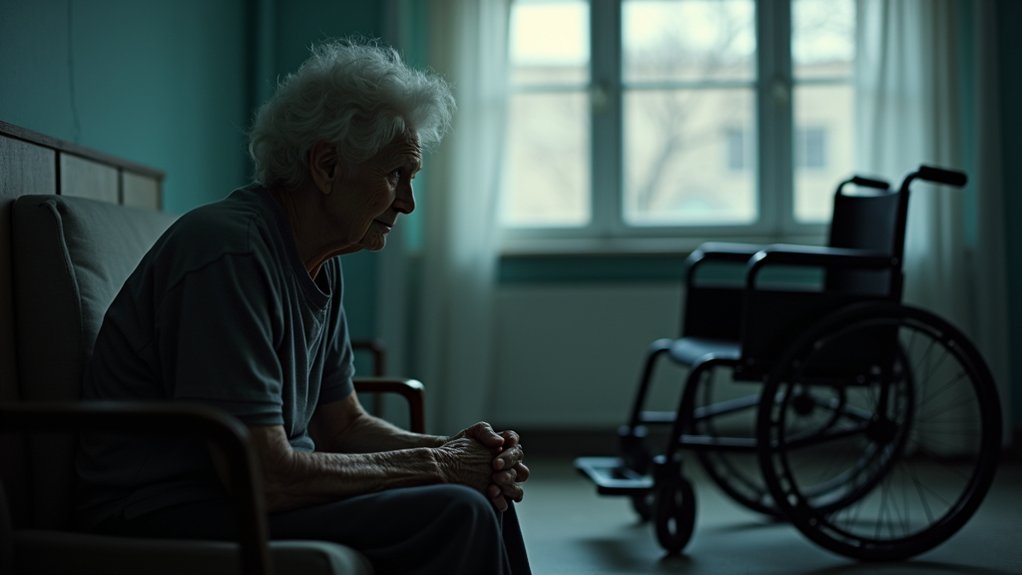
The distinction between abuse and neglect matters because it helps you recognize harm and respond correctly. Abuse involves intentional acts, physical harm like unexplained bruises or fractures, psychological mistreatment causing fear or withdrawal, sexual abuse, or financial exploitation that drains your loved one’s resources. Someone chooses to inflict this harm.
Neglect, by contrast, is a failure to provide adequate care. It shows up as malnutrition, dehydration, bedsores, or missed medications, often tied to understaffing and poor funding. The caregiver may not intend harm, but the consequences can be just as devastating.
Both violate your loved one’s rights to dignity and appropriate care. When you can name what’s happening, you’re better equipped to report it and demand accountability.
How widespread the problem is
Elder abuse and neglect are alarmingly common. The numbers are sobering, and you deserve to see them plainly before you trust a facility with someone you love.
Consider what the research reveals:
- About 5 million adults over 60 experience abuse each year, with roughly 1 in 10 reported as victims.
- An estimated 21% of nursing home residents faced some form of abuse in the past 12 months, while another source cites 24% experiencing physical abuse at least once.
- A 2017 meta-analysis found nearly 16% of adults 60+ in care facilities reported abuse.
These aren’t distant statistics, they’re a reminder to stay vigilant, ask questions, and act quickly when something feels wrong.
The family’s role in protecting a loved one

The family protects a loved one by visiting often and becoming their strongest safeguard. Your presence signals to staff that someone’s watching, and it gives you the chance to spot problems early. Look for unexplained bruises, fractures, or sudden emergency-room visits. Watch for malnutrition, dehydration, or bedsores, which often point to neglect. Notice emotional changes too, isolation, depression, fearfulness, or withdrawal can reveal psychological abuse. If your loved one has dementia, stay especially vigilant, since dementia appears in about half of nursing-home abuse or neglect victims.
Ask questions, review care plans, and document what you see. When you suspect harm, report it immediately. Contact DCH/HFR by phone, online, or mail, and reach Adult Protective Services for suspected abuse, neglect, or exploitation. In emergencies, call 911.
What to do if you suspect something is wrong
If you suspect something is wrong, act deliberately and quickly, because how you respond in the first hours matters. Trust what you’re seeing. Unexplained bruises, fractures, sudden weight loss, bedsores, fearfulness, or withdrawal aren’t things to dismiss, they’re signals that demand action. Document everything you observe, including dates, photos, and staff conversations. If your loved one faces immediate danger, call 911 first.
Then report your concerns through the proper channels:
- Adult Protective Services (APS), report suspected abuse, neglect, or exploitation of older adults.
- Georgia DCH/Healthcare Facility Regulation, file complaints by phone, online, or mail.
- Local law enforcement, contact them when you suspect a crime or emergency.
Don’t wait for certainty. Reporting promptly protects your loved one and helps investigators act before harm worsens.
Reporting resources and when to contact an attorney
In Georgia, you can file a complaint with the Department of Community Health (DCH) by phone, online, or mail. When you suspect abuse, neglect, or exploitation, contact Adult Protective Services (APS) right away. If someone’s in immediate danger, call 911. These channels prioritize and investigate allegations, then record outcomes.
But reporting doesn’t always secure justice or compensation. Consider contacting an attorney when you see serious harm, such as unexplained fractures, bedsores, malnutrition, or financial exploitation, or when a facility stalls, denies, or retaliates. A lawyer can preserve evidence, hold negligent facilities accountable, and protect your loved one’s rights. Don’t wait; acting quickly strengthens both the investigation and any legal claim.
Frequently Asked Questions
How Long Do I Have to File a Nursing Home Lawsuit in Georgia?
You generally have two years from the date of injury or death to file a nursing home lawsuit in Georgia. This deadline, called the statute of limitations, can vary depending on your specific circumstances, so don’t wait. Some cases involve exceptions that shorten or extend your window. To protect your loved one’s rights and preserve critical evidence, contact a qualified Georgia elder-abuse attorney as soon as you suspect harm.
Can a Facility Retaliate Against Residents or Families Who Complain?
No, a facility can’t lawfully retaliate against you or your loved one for complaining. Georgia residents retain the right to be treated with dignity and protected from abuse, neglect, and exploitation, raising concerns is part of that protection. If you notice punishment, isolation, or worsening care after you speak up, report it immediately to DCH/HFR or Adult Protective Services. Document everything, and don’t let fear silence you.
What Compensation Can Families Recover in a Nursing Home Abuse Case?
You can recover several types of compensation in a nursing home abuse case. These typically include medical expenses for treating injuries, costs to relocate your loved one, and damages for pain, suffering, and emotional distress. In cases of serious wrongdoing, you may also pursue punitive damages. If neglect or abuse caused a death, your family might recover wrongful death damages. Documenting harm carefully strengthens your claim and protects your loved one’s dignity.
Who Is Legally Liable When Abuse or Neglect Occurs?
You’ll often find liability extends beyond the individual who caused harm. The facility itself can be held responsible for negligent hiring, inadequate staffing, or poor training. Administrators, nurses, aides, and corporate ownership may all share fault. When understaffing or cost-cutting contributes to your loved one’s suffering, the company bears responsibility. If a third-party contractor or physician acted negligently, they’re accountable too. Identifying every liable party strengthens your family’s claim.
How Do I Choose a Safe Nursing Home in Georgia?
Start by checking federal quality ratings, since 1 in 4 Georgia nursing homes received the lowest one-star rating. You’ll want to avoid understaffed, poorly funded facilities, which consistently draw more complaints. Review DCH inspection reports for neglect and abuse allegations, then visit in person. Look for well-nourished, engaged residents and attentive staff. Ask about staffing ratios and dementia care, and trust what you see and feel firsthand.