Under Georgia law,
probable cause means police must have
specific, articulable facts that would lead a
reasonable person to believe you’ve committed, are committing, or will commit a crime. It’s a higher standard than mere suspicion but doesn’t require proof beyond a reasonable doubt. Officers can’t act on a hunch alone, they need concrete, objective evidence tied to you or your property. Keep exploring to understand exactly how this standard affects your rights. In cases involving
illegal search and seizure cases in Georgia, the application of probable cause is crucial in determining the legality of evidence collected by law enforcement. If a court finds that an officer lacked sufficient probable cause, any evidence obtained through that search may be deemed inadmissible. This legal standard serves as a vital protection for individuals against unwarranted government intrusion into their private lives.
What Does Probable Cause Mean Under Georgia Law?
Probable cause under Georgia law requires facts and circumstances that would lead a
reasonable person to believe a
crime has been committed, is being committed, or will be committed. This
probable cause definition in Georgia sits above mere suspicion but below the beyond-a-reasonable-doubt standard required for conviction. Under probable cause Georgia law, you can’t rely on a hunch. Officers must identify specific,
articulable facts tied to a particular person or property. Courts apply a
totality-of-the-circumstances analysis when evaluating whether the standard was met. For a probable cause arrest in Georgia, law enforcement must satisfy this threshold before taking action. If they don’t, the arrest may be unlawful, and any evidence obtained could face suppression challenges in court under the
Fourth Amendment. These articulable facts can include
officer’s observations such as slurred speech, unfocused eyes, or the odor of alcohol or marijuana detected during a traffic stop.
How Is Probable Cause Different From Reasonable Suspicion?
When you’re facing a criminal investigation in Georgia, understanding the distinction between
probable cause and
reasonable suspicion can directly affect your rights. Probable cause requires a
higher evidentiary threshold, demanding facts that would lead a reasonable person to believe a crime has been committed, while reasonable suspicion requires only specific, articulable facts suggesting possible criminal activity. You’ll find that this difference in required proof determines what law enforcement can legally do, ranging from a
brief investigative stop under reasonable suspicion to a full arrest or search under probable cause. In DUI cases, for instance, indicators such as the smell of alcohol, slurred speech, or
failing field sobriety tests can establish the probable cause necessary for an arrest or a state-administered BAC test.
Defining the Key Differences
While both standards govern law enforcement’s authority to act,
probable cause and
reasonable suspicion differ considerably in their
threshold requirements and
legal consequences. Reasonable suspicion requires only specific, articulable facts supporting a sensible belief that criminal activity occurred, it’s a lower bar that justifies brief investigative stops. Probable cause demands concrete facts that would lead a reasonable person to believe a crime was committed. Under Georgia criminal law probable cause, this higher standard authorizes arrests, search warrants, and formal charges. A probable cause search Georgia courts will uphold requires
objective, factual support, not merely a hunch. Reasonable suspicion prevents random detentions but carries no authority to justify searches or arrests. If officers can’t escalate reasonable suspicion to probable cause, they must release you within a
reasonable time. Failure to adhere to probable cause procedures can result in
charges being reduced or dismissed, weakening the prosecution’s case entirely.
Evidence Threshold Comparison
Understanding how probable cause differs from reasonable suspicion requires examining the evidentiary thresholds each standard demands. Georgia courts evaluate both standards based on the totality of circumstances, but the required certainty level differs sharply.
| Factor | Reasonable Suspicion | Probable Cause |
| Evidence Required | Articulable facts | Concrete, objective proof |
| Legal Action Permitted | Brief detention | Arrest, search, warrant |
| Certainty Level | Lower threshold | Higher threshold |
| Example Trigger | Slurred speech, alcohol odor | Failed breathalyzer over 0.08% |
| Failure Consequence | Evidence suppression | Charges reduced or dismissed |
You should know that failing to escalate reasonable suspicion into probable cause legally obligates officers to release you. Probable cause demands facts convincing enough that a prudent person would conclude a crime occurred, far exceeding a mere hunch.
Which Observations Give Georgia Officers Probable Cause?
When a Georgia officer interacts with you, specific observations can quickly establish
probable cause. Slurred speech, unfocused eyes, the odor of alcohol or marijuana, and failed
field sobriety tests all signal impairment that justifies further action. Beyond behavioral cues, an officer can also rely on traffic violations like running a red light or erratic lane changes, as well as
contraband or open containers visible in plain view within your vehicle.
Observable Impairment Signs
Georgia officers rely on specific, observable signs of impairment to establish
probable cause for a DUI arrest. When they stop your vehicle, they’re actively evaluating your physical and behavioral state for indicators that support a reasonable belief you’re impaired. Key observable signs officers document include:
- Slurred speech signals an altered mental state and pairs with other observed behaviors
- Unfocused eyes indicate impairment and support the conclusion you can’t drive safely
- Odor of alcohol or marijuana establishes a substantial chance of criminal activity
- Disoriented responses to officer questions demonstrate cognitive impairment during the stop
Each sign independently contributes to probable cause, but officers typically combine multiple observations. When these factors align, a
reasonable person would conclude a
DUI offense has likely occurred.
Plain View Evidence
| Element | Required | Example |
| Lawful presence | Yes | Valid traffic stop |
| Immediately apparent | Yes | Visible drug paraphernalia |
| Lawful access | Yes | Open vehicle interior |
You can challenge plain view seizures if officers weren’t lawfully present or had to manipulate items to discover evidence. Courts will suppress improperly obtained evidence, potentially dismissing your charges entirely. Understanding these boundaries helps you identify Fourth Amendment violations in your case.
Traffic Violation Indicators
Traffic stops in Georgia don’t happen arbitrarily, officers must observe specific, articulable behaviors before they can legally pull you over. These observations form the foundation of
probable cause in DUI and traffic-related cases. Officers commonly establish probable cause through:
- Lane position violations, weaving, straddling lane lines, or nearly striking other vehicles
- Speed irregularities, driving 10+ mph under the limit, inconsistent acceleration, or abnormal braking
- Behavioral impairment signs, slurred speech, bloodshot eyes, or detectable odors of alcohol or marijuana
- Sobriety test failures, a BAC above 0.08% or failed field sobriety evaluations
Each observation builds a cumulative case. The stronger the documented evidence, the more legally defensible the officer’s decision to act becomes under Georgia law. In light of this, the
first appearance court Georgia plays a crucial role in determining the appropriateness of the actions taken by law enforcement. This initial judiciary process ensures that defendants understand the charges against them and that their rights are upheld from the very start.
When Can Georgia Police Search or Arrest Without a Warrant?
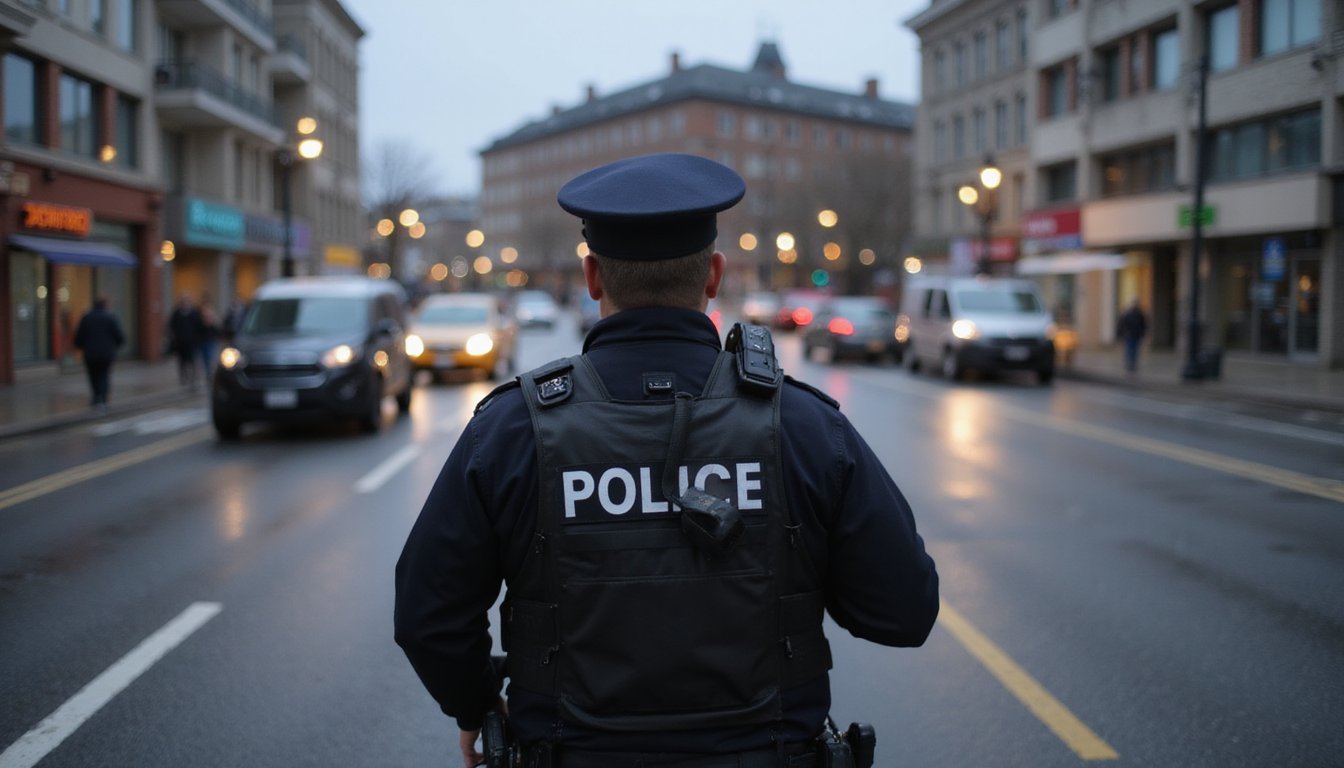
Under Georgia law, police can make a warrantless arrest when an offense occurs in an officer’s presence, when an offender attempts to escape, or when failing to make an immediate arrest would likely result in a failure of justice, three exceptions codified under O.C.G.A. § 17-4-20. For warrantless searches, several recognized exceptions apply:
| Exception | Legal Basis |
| Search incident to arrest | Search of person and immediate area |
| Automobile exception | Probable cause of evidence or contraband |
| Exigent circumstances | Emergency threats or evidence destruction |
| Hot pursuit | Entry following suspect from offense scene |
| Plain view/odor | Visible contraband or marijuana odor |
Each exception requires probable cause, facts warranting a prudent belief that criminal activity exists, not mere suspicion.
Can Your Charges Be Dismissed If Probable Cause Was Absent?
When
probable cause is absent from your arrest or search, Georgia law provides
meaningful remedies that can lead to
dismissed charges. Courts take constitutional violations seriously, and your defense attorney can challenge law enforcement’s actions at multiple stages.
when to hire a criminal lawyer is a crucial consideration in these situations. Engaging a skilled attorney early can provide you with the necessary guidance to navigate the complexities of the legal system. They will evaluate the specifics of your case and develop a strategy tailored to your needs. Key dismissal pathways include:
- Preliminary hearing: A judge dismisses your case if the prosecution fails to establish probable cause within 10, 30 days post-arrest
- Motion to suppress: Evidence obtained without probable cause gets excluded under the Fourth Amendment’s exclusionary rule
- Prosecutorial reassessment: Suppressed evidence often forces prosecutors into plea deals or dropped charges
- Refiling limitations: Dismissal doesn’t permanently bar charges, but new evidence must emerge within the statute of limitations
Acting early with strong defense arguments substantially improves your
dismissal prospects.
How to Challenge Charges When Probable Cause Is Questionable?
Challenging questionable probable cause requires a strategic, multi-layered approach that targets the legal foundations of your arrest, search, or warrant. Start by filing a
motion to suppress, arguing that law enforcement lacked sufficient facts to justify their actions under Georgia law. If your case involves a warrant, request a
Franks hearing to expose false statements or reckless omissions in the affidavit. At your
preliminary hearing, force the court to evaluate whether reasonable grounds exist beyond mere suspicion. You can also challenge informant reliability using the
Aguilar two-prong test or contest whether officer observations meet the objective person standard. If the court denies suppression, pursue
appellate review by demonstrating that the evidence fell below the
reasonable person belief threshold required for probable cause.
Understanding Probable Cause Could Be the Key to Your Defense
Probable cause is one of the most important legal standards in Georgia criminal law, and when it is lacking, evidence can be suppressed and charges can be challenged. Knowing how it applies to your case could make all the difference. At Cobb Defense, Attorney Gregory Chancy and his team carefully examine every detail of your case to ensure your rights were fully respected from the moment of your arrest. Explore our criminal defense services to learn how we can help. Call (770) 627-3221 today for a free consultation and let us start building your defense.
Frequently Asked Questions
Does Probable Cause Apply Differently to Juvenile Arrests in Georgia?
Yes,
probable cause applies differently to juvenile arrests in Georgia. If you’re a detained juvenile, you’re entitled to a probable cause hearing within 48 hours, followed by a
detention hearing within 72 hours. Beyond probable cause, courts must also find
clear and convincing evidence that restricting your freedom is necessary. Additionally, a petition must be filed within 72 hours of your detention hearing, providing stronger due process protections than adult proceedings.
Can a Civilian Establish Probable Cause for a Citizen’s Arrest?
Yes, you can establish
probable cause for a citizen’s arrest in Georgia, but you must meet the same
reasonable person standard applied to law enforcement. You’ll need
observable evidence, visible drugs, weapons, or stolen items, sensory indicators like smells or sounds, or behavioral signs such as slurred speech. Without sufficient probable cause, you’re exposing yourself to serious civil liability, including false arrest or malicious prosecution claims.
How Long Does Probable Cause Remain Valid After an Incident?
Probable cause doesn’t have a fixed expiration period, but it can become “stale” if you wait too long to act on it. Courts will evaluate whether the facts supporting
probable cause remain relevant and current at the time law enforcement acts. If significant time passes, the circumstances may change, weakening the original basis. You’ll find that judges assess staleness
case-by-case, considering the
nature of the crime and the specific evidence involved.
Yes, social media evidence can contribute to establishing
probable cause in Georgia. If investigators find posts, messages, photos, or videos that would lead a reasonable person to believe you’ve committed a crime, those digital materials can factor into a probable cause determination. Courts apply the
totality of circumstances approach, meaning social media evidence doesn’t stand alone, it’s weighed alongside other available facts. However, how investigators obtained that
digital evidence also matters legally.
Does Probable Cause Requirements Differ for Misdemeanors Versus Felonies?
No,
probable cause requirements don’t differ between misdemeanors and felonies in Georgia. You’ll find that courts apply the same uniform standard regardless of the offense classification. Whether you’re facing a traffic violation or a serious felony charge, law enforcement must establish the same
reasonable belief that a crime occurred.
Reasonable suspicion supports brief detentions, but you need full probable cause for an actual arrest, regardless of whether the offense is a misdemeanor or felony.

 Probable cause under Georgia law requires facts and circumstances that would lead a reasonable person to believe a crime has been committed, is being committed, or will be committed. This probable cause definition in Georgia sits above mere suspicion but below the beyond-a-reasonable-doubt standard required for conviction. Under probable cause Georgia law, you can’t rely on a hunch. Officers must identify specific, articulable facts tied to a particular person or property. Courts apply a totality-of-the-circumstances analysis when evaluating whether the standard was met. For a probable cause arrest in Georgia, law enforcement must satisfy this threshold before taking action. If they don’t, the arrest may be unlawful, and any evidence obtained could face suppression challenges in court under the Fourth Amendment. These articulable facts can include officer’s observations such as slurred speech, unfocused eyes, or the odor of alcohol or marijuana detected during a traffic stop.