Assisted living and nursing homes expose you to different abuse risks. Nursing homes serve higher medical acuity, so you’ll see physical abuse, neglect, and pressure injuries. Assisted living carries greater financial exploitation risk, about 23% versus 12% in skilled nursing. Regulation differs too: nursing homes face stricter federal and state oversight, while assisted living relies on varied, state-specific rules. Your rights and reporting channels shift with each setting, and knowing which applies changes everything.
Key Takeaways
- Nursing homes serve higher medical acuity residents, facing greater neglect risk and stronger, standardized federal/state regulation with CMS certification.
- Assisted living carries elevated financial exploitation risk (23.46% vs. 11.90% in skilled nursing) under less standardized, state-varying oversight.
- Warning signs differ: nursing homes show physical abuse and medical neglect, while assisted living reveals financial exploitation and psychological abuse.
- Resident-to-resident aggression affects both settings, reaching 22.5% in assisted living memory-care units versus 22% in nursing homes.
- Report abuse through the long-term care ombudsman program and consult legal counsel, since underreporting makes acting on witnessed incidents critical.
How assisted living differs from a nursing home
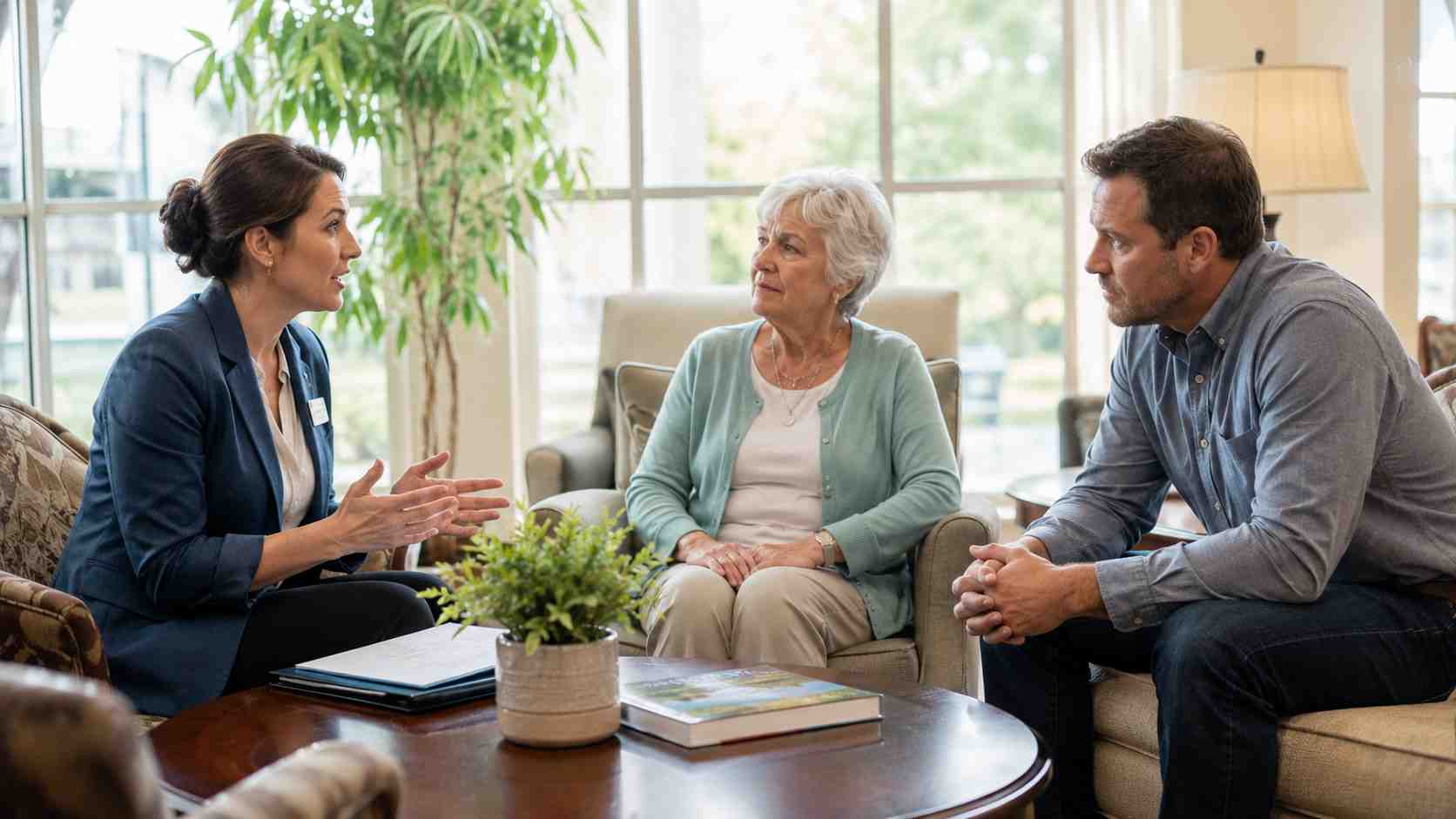
Assisted living differs from a nursing home in medical acuity and regulatory structure. Nursing homes serve residents with higher medical acuity, which increases dependence and heightens your vulnerability to neglect and mistreatment. Assisted living serves residents needing less intensive care, but that doesn’t make it low-risk. One Michigan survey found unexpectedly high neglect there.
You’ll also encounter different oversight. Nursing homes face stronger, more standardized regulation and higher citation volume, improving detection and enforcement. Assisted living often operates under less standardized regulation that varies by state, affecting how abuse gets reported and addressed.
These differences shift your risk profile. In assisted living, you face greater exposure to financial exploitation and certain forms of psychological abuse than in skilled nursing facilities.
Why abuse happens in assisted living
Abuse happens in assisted living because it often carries less standardized regulation than skilled nursing, weakening detection and enforcement. This oversight gap, combined with resident vulnerability and staffing patterns, creates conditions where financial exploitation, psychological abuse, and neglect take hold. Ombudsman complaint data confirm the pattern. Financial elder abuse can occur when vulnerable individuals are exploited by people they trust. Vigilant oversight and proper staff training can help detect exploitation and protect residents.
| Abuse Type | Assisted Living Finding |
|---|---|
| Financial exploitation | 23.46% vs. 11.90% (SNF) |
| Neglect | Unexpectedly high (Michigan survey) |
| Resident-to-resident aggression | 15.2% one-month prevalence |
| Memory-care aggression | 22.5% vs. 10.3% (other units) |
| Substantiated complaints | More physical, psychological abuse, neglect |
You should recognize that dementia placement raises resident-to-resident aggression risk. Because regulation varies by state, you can’t assume assisted living guarantees lower exposure than nursing homes.
Signs specific to these settings
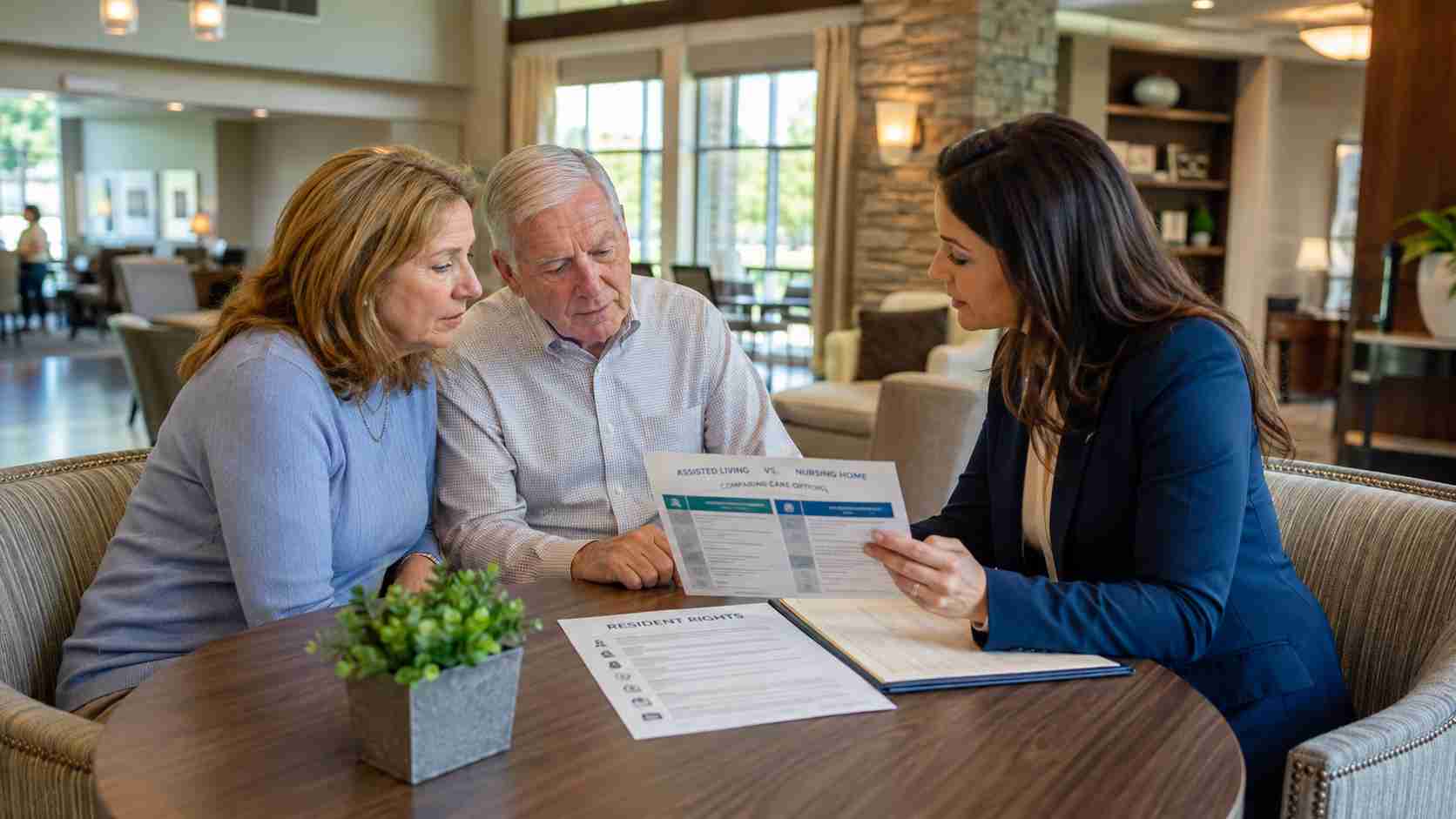
Warning signs sort themselves by setting. In nursing homes, watch for indicators tied to high medical acuity: pressure injuries, dehydration, unexplained bruises, and gross neglect. Physical abuse dominates here at 29%, with resident-to-resident aggression at 22% and a 20.2% one-month prevalence, so track verbal outbursts and altercations, especially in memory care. Types of nursing home abuse can include emotional and financial exploitation, which may be difficult to detect. Staying vigilant and educating staff about recognizing and reporting abuse can help protect vulnerable residents.
In assisted living, financial exploitation runs higher, at 23.46% versus 11.90% in skilled nursing. Monitor sudden account changes, missing valuables, and altered legal documents. Watch for psychological abuse and neglect, plus resident-to-resident aggression at 15.2% one-month prevalence, 22.5% in memory-care units.
Because case mix and staffing shift these rates, you should match your suspicion to the setting’s documented risk profile.
Retirement and care home abuse
The label attached to a facility determines the rights you can invoke and the risks you’ll face, even though setting-specific signs point you toward the harm. If your loved one lives in a nursing home, you’re dealing with higher medical acuity, stronger oversight, and higher citation volume. Abuse skews toward physical abuse (29%), resident-to-resident aggression (22%), and gross neglect (14%). If you’re in assisted living, expect less standardized regulation and heightened exposure to financial exploitation (23.46% versus 11.90% in skilled nursing) and psychological abuse. Both settings carry substantial resident-to-resident aggression, with memory-care units reaching 22.5% prevalence. You’ll invoke ombudsman programs for complaint intake in either setting, but understand that per-resident rates run higher in skilled nursing, and abuse-coded complaint percentages run higher in assisted living.
Georgia regulatory differences (HFRD oversight)
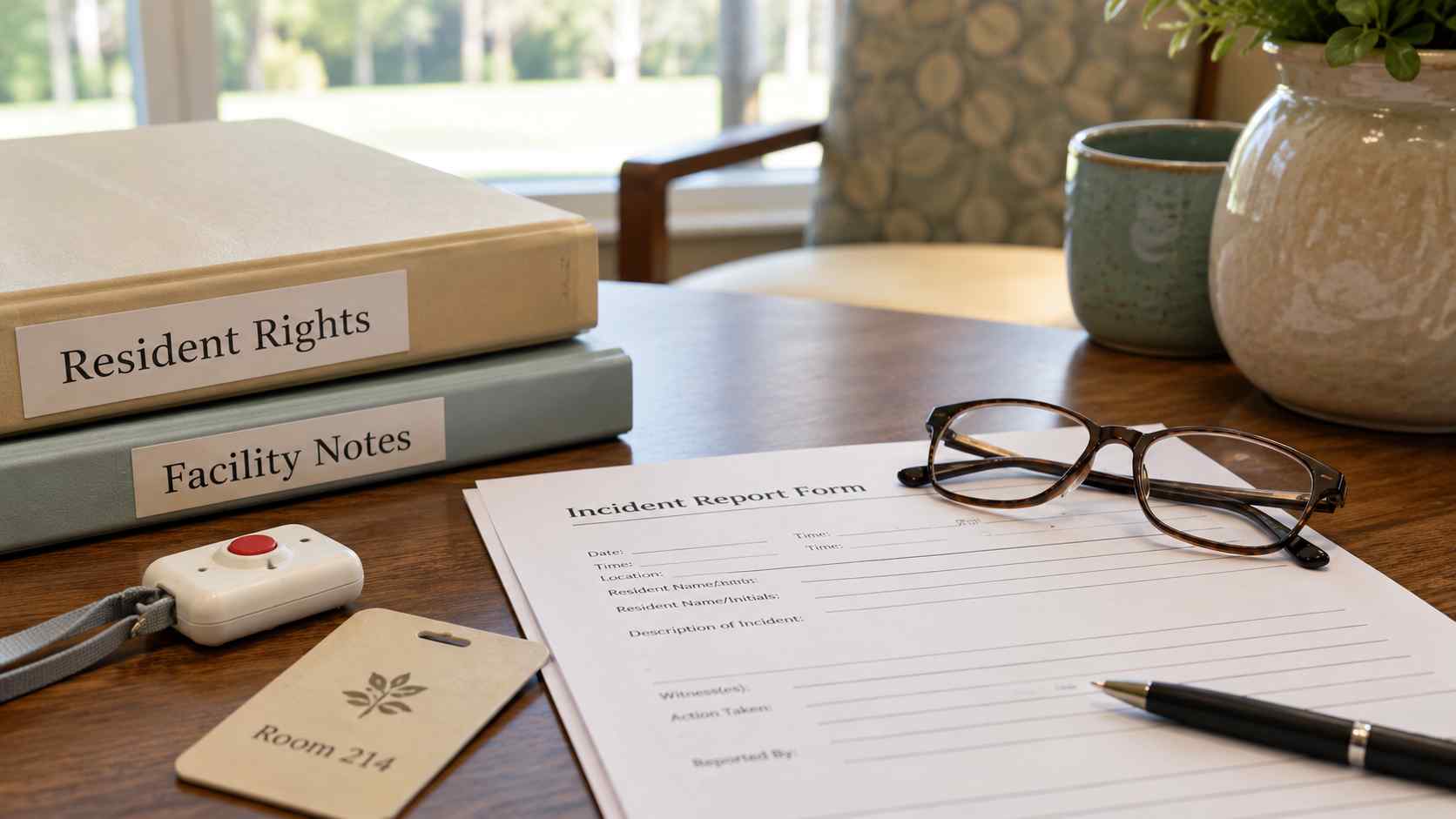
The Healthcare Facility Regulation Division (HFRD) classification of a facility determines where you file and what protections you can invoke in Georgia. HFRD licenses nursing homes, assisted living communities, and personal care homes under distinct rules, and that classification governs staffing standards, inspection frequency, and enforcement authority. If you’re dealing with a nursing home, you’ll invoke stricter federal and state oversight, since HFRD coordinates with CMS certification requirements. Assisted living and personal care homes fall under separate state regulations with less standardized enforcement, which affects how quickly citations follow. You can direct complaints to HFRD for licensing violations or to Georgia’s Long-Term Care Ombudsman for advocacy. The facility’s license type determines your reporting channel, the applicable statute, and the remedies you can pursue. Georgia nursing home abuse reporting involves gathering relevant evidence and submitting a complaint to the appropriate authorities. Understanding reporting procedures and residents’ rights can help protect vulnerable individuals.
Reporting abuse in assisted living
Reporting abuse in assisted living demands a different approach than in a nursing home because assisted living operates under less standardized regulation, so you can’t assume the same detection and enforcement mechanisms apply. Your primary channel is the long-term care ombudsman program, which handles complaint intake and advocacy across both settings. In 2014, ombudsman data showed 7.6% of roughly 188,599 complaints involved abuse, gross neglect, or exploitation.
You should recognize that assisted living carries elevated risk for financial exploitation, 23.46% of complaints versus 11.90% in skilled nursing, so document suspected exploitation carefully. Report neglect and psychological abuse promptly, since substantiated complaints run high in this setting. Because underreporting persists in resident-dependent environments, you must act on witnessed incidents, not wait for confirmation.
When to get legal help
A complaint crosses from a reporting matter into a legal claim when the harm involves substantiated abuse, gross neglect, or financial exploitation, the categories recognized in both assisted living and nursing home oversight systems. Get legal help when physical, sexual, or resident-to-resident abuse causes injury, when neglect worsens a resident’s condition, or when exploitation depletes assets. Facility type matters: assisted living’s less standardized regulation can obscure liability, and nursing homes’ higher citation volume can strengthen your evidence. Because roughly 7.6% of ombudsman complaints involve abuse, neglect, or exploitation, and underreporting remains common, don’t wait for enforcement alone. Consult counsel to distinguish abuse type, setting, and resident vulnerability, and to preserve your claim. Signs of nursing home abuse can include unexplained injuries or sudden behavioral changes. Recognizing these warning signs and seeking professional assistance can help protect residents’ rights and well-being.
Accused of Abuse or Neglect at an Assisted Living or Nursing Facility? Call First.
An allegation from a family or a state investigator can become a criminal case fast, and facility type doesn’t change how serious the charge is. If you’re a caregiver or staff member facing one, don’t explain yourself to investigators alone. Attorney Gregory Chancy at Cobb Defense defends these charges in Georgia’s courts.
Call (770) 627-3221 now for a free consultation, or send a message.
Frequently Asked Questions
Which facility type has higher overall abuse rates, nursing homes or assisted living?
Nursing homes generally show higher overall abuse rates than assisted living in comparative studies of institutional settings, largely because residents tend to have higher medical acuity and depend more heavily on caregivers. That said, assisted living isn’t low-risk. Research points to higher rates of financial exploitation there, along with more neglect than many families expect. Case mix, medical acuity, and staffing all shift these rates, so the two profiles shouldn’t be treated as identical or ranked by a single number.
How common is resident-to-resident aggression in memory care versus standard units?
It’s markedly more common in memory-care settings. Research on resident-to-resident aggression has found roughly a one-in-five one-month prevalence in dementia and memory-care units, against about half that in other units. If your loved one is in memory care, dementia placement meaningfully raises the risk. That matters when you’re weighing a facility’s staffing patterns and whether it adequately protects cognitively impaired residents from verbal, physical, and sexual aggression.
What percentage of long-term care complaints involve abuse, neglect, or exploitation?
National Ombudsman Reporting System data has put the share of long-term care complaints involving abuse, gross neglect, or exploitation in the range of 7 to 8% of total complaints. That figure likely understates the true burden, since many incidents in resident-dependent settings go unreported. The coding also varies by setting, with exploitation featuring more heavily in assisted living complaints and skilled nursing showing higher per-resident rates of abuse overall.
Is financial exploitation more likely in assisted living or skilled nursing facilities?
Ombudsman complaint data suggests financial exploitation makes up a larger share of assisted living complaints than skilled nursing complaints, on the order of roughly double. If you’re weighing risk for a resident, that’s worth taking seriously: safeguard finances, set up account monitoring, and limit who has access when placing someone in assisted living. The gap is one of the clearer distinctions between the two settings.
How does resident medical acuity affect vulnerability to abuse and neglect?
Higher medical acuity increases vulnerability. The more a resident depends on caregivers for daily needs, the more exposed they are to gross neglect and mistreatment, which is part of why nursing homes, carrying higher acuity, show elevated risk. Health conditions, dependence level, and cognitive status all shape that risk. It’s also why raw abuse rates can mislead: adjusting for how sick and dependent residents are shifts the comparison, so acuity has to be weighed alongside the headline numbers.