A protection order is a court-issued directive that legally prohibits an abuser from contacting, threatening, or coming near you. It’s a rapid civil remedy that doesn’t require a criminal conviction, giving you enforceable legal protection to interrupt patterns of abuse. These orders can address no-contact provisions, custody arrangements, residence exclusion, and firearm restrictions. They range from emergency orders lasting days to long-term orders extending several years. Below, you’ll find everything you need to know about obtaining and enforcing this critical protection.
Definition and Purpose of a Protection Order

A protection order is a court-issued directive designed to prevent violence, threats, harassment, and unwanted contact between you and an abusive party. Under federal law, this includes any injunction or restraining order, whether temporary or final, issued to protect victims of domestic violence, sexual assault, dating violence, or stalking.
The primary purpose is to create an enforceable legal barrier that interrupts patterns of power and control in abusive relationships. Protection orders function as rapid civil remedies, meaning you don’t need a criminal conviction to obtain one. Depending on court jurisdiction, your order may address custody, residence, and financial support. As circumstances change, you can request order modifications to adjust protections. These orders establish clear prohibited conduct and provide law enforcement with direct authority to intervene. Protection orders can also prohibit the abuser from possessing firearms and ammunition during the duration of the order. Protection orders can be issued at the state, tribal, territorial, or local level, ensuring broad accessibility regardless of where you reside.
Types of Protection Orders and How Long They Last
When you seek protection from abuse, you’ll encounter three main categories of orders, each serving a distinct purpose and lasting for different periods. Emergency protective orders provide immediate safety for 24 hours to 7 days, temporary orders bridge the gap for approximately 14 to 21 days until a full hearing occurs, and final long-term orders offer sustained protection ranging from 1 to 5 years with renewal options. Understanding these timeframes helps you plan your safety strategy and know when you’ll need to return to court for continued protection. A domestic violence protection order specifically applies to intimate partners, family members, or those living with the protected person who have caused physical harm or created fear of imminent bodily injury. If you need assistance with the process, Superior Court self-help centers can provide guidance on procedures and help you navigate the filing requirements.
Emergency and Ex Parte
EPOs typically last only days to weeks. Kentucky’s EPOs expire within 14 days, while Texas magistrate orders remain effective for 31–91 days depending on offense details. Due process limitations require courts to schedule full hearings promptly, where the restrained party can contest allegations. These orders are granted without giving notice to the other party, allowing victims to secure immediate protection in urgent situations.
You should understand potential enforceability challenges: most jurisdictions require service on the restrained party before the order becomes enforceable. EPOs bridge the safety gap until you can obtain longer-term protection through a formal hearing where both parties present evidence. If you do not file for a temporary or permanent restraining order before the court-set expiration date, the EPO will end and you may lose protection.
Temporary Order Duration
Once a court grants your emergency or ex parte order, you’ll typically receive a temporary protection order (TPO) or temporary restraining order (TRO) that remains effective for 14–25 days, just long enough to bridge the gap until your full hearing. In California, courts usually schedule this hearing within 20–25 days of issuing your TRO. TROs take effect immediately upon issuance and are enforceable for one week.
Your temporary order can include stay-away provisions, no-contact requirements, temporary custody arrangements, and residence exclusions. If scheduling conflicts arise, courts can adjust the order extension duration to prevent gaps in your protection. If the judge grants a long-term restraining order after your hearing, it can last up to 5 years depending on your circumstances.
Understanding order lapse duration matters because all embedded relief, custody, residence possession, financial provisions, terminates when the temporary order expires. Violating your TPO remains a crime throughout its duration, giving you enforceable protection while you prepare for the hearing on a longer-term order.
Final Long-Term Orders
After your temporary protection order hearing, the court can issue a final domestic violence protection order (DVPO) that provides substantially longer protection. These orders typically last one to two years, though duration varies vastly by state. Judicial discretion plays a critical role in determining the appropriate timeframe based on your circumstances.
Final DVPOs may include:
- No-contact and stay-away provisions protecting you from the abuser
- Firearm restrictions prohibiting weapon possession
- Custody and visitation limitations safeguarding children
- Indefinite safety provisions in some states that never expire
You should understand your state’s renewal guidelines before your order expires. Many jurisdictions allow extensions when ongoing risk exists. Some states permit indefinite or lifetime orders in cases involving felony-level violence, serious bodily injury, or multiple prior violations against you. The court may also order the abuser to attend treatment programs as a condition of the protective order. Violating any provisions of a final DVPO is a Class A misdemeanor in Texas, which can result in significant fines, jail time, or both.
Who Can Request a Protection Order and What Qualifies as Abuse
You may be eligible to request a protection order if you have a specific relationship with the abuser, such as being a current or former spouse, cohabitant, dating partner, co-parent, or family member. To obtain the order, you’ll need to demonstrate that you’ve experienced qualifying abuse, which includes physical harm or attempted harm, credible threats of serious injury, sexual assault, stalking, or false imprisonment. Revenge porn also qualifies as abuse under the law. If you’re seeking protection for a minor child or vulnerable adult, a parent, guardian, or authorized representative can file on their behalf. If you encounter difficulties accessing court resources online, you may need to email the site owner to resolve any technical blocks preventing your access to important forms or information.
Eligible Relationship Categories
State domestic violence laws recognize several distinct relationship categories that determine whether you’re eligible to seek a protection order. Your prior cohabitation status, family connection, or romantic involvement with the abuser directly affects which type of order you can obtain.
Eligible relationships typically include:
- Current or former spouses, domestic partners, and dating partners, regardless of whether you’ve lived together
- Family members by blood, marriage, or adoption, including parents, children, siblings, grandparents, and in-laws
- Non intimate household members, individuals who currently or previously shared your residence, even without a romantic relationship
- Co-parents, anyone who shares a child with you, even without marriage or cohabitation history
Some jurisdictions require minimum co-residence periods for certain categories. For cohabitant status, this typically means living together for at least 90 days within the past year, and the days need not be consecutive. Courts also extend protections to vulnerable adults abused by caregivers and children in custody situations. For dating violence protective orders specifically, victims must be at least 18 years old or an emancipated minor to file.
Qualifying Abusive Conduct
Qualifying abusive conduct extends beyond physical violence. You may seek protection if you’ve experienced assault, threats creating reasonable fear of harm, stalking, or continued harassment. Courts also recognize coercive control tactics, such as threatening to harm you, your children, or pets, as grounds for relief.
At a restraining order hearing, you’ll need to demonstrate the abuse occurred. Documented harassment evidence proves crucial: phone records, screenshots of threatening messages, photographs of injuries, medical records, and witness testimony strengthen your case considerably. You must present what’s known as a prima facie case, sufficient evidence for the court to move forward with your protection order.
You don’t need visible injuries to qualify. Conduct causing substantial emotional distress or placing you in fear of imminent harm often meets statutory requirements for protection order issuance.
Protections and Relief Available Through a Court Order
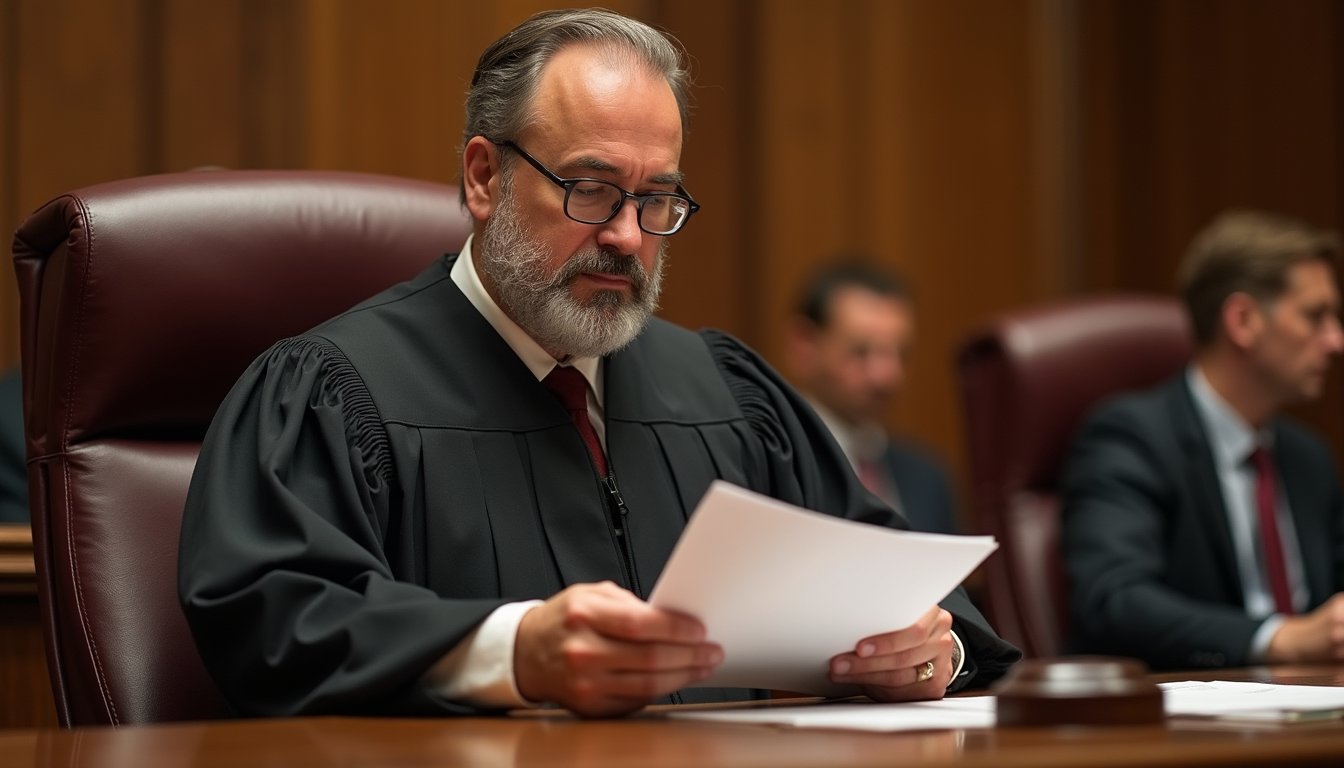
A protection order can provide relief across four key areas: personal safety, housing and finances, child-related matters, and behavioral requirements for the abusive party.
A protection order isn’t just one thing, it’s a legal shield covering your safety, home, children, and future.
- Personal Safety: You can obtain no-contact provisions, stay-away orders, and firearms relinquishment. Law enforcement can arrest violators on the spot.
- Housing and Economic Protections: Courts can grant you exclusive use of your shared residence, possession of essential property, and temporary spousal support, even if the abuser’s name appears on the lease.
- Child-Related Legal Remedies: You may receive temporary custody, supervised visitation arrangements, and child support orders to protect your children’s wellbeing.
- Behavioral Requirements: Courts can mandate the abuser complete batterers’ intervention programs, substance abuse treatment, or mental health counseling while prohibiting stalking and harassment.
Steps to Obtain a Protection Order
Understanding what protections you can receive is the first step, but securing them requires traversing a specific legal process.
Key Filing Steps
| Step | Action | Resources |
|---|---|---|
| Prepare | Gather evidence, timeline of incidents, witness information | Domestic violence hotlines, advocacy programs |
| File | Complete petition and affidavit at courthouse | Court self-help centers, legal representation |
| Request | Seek ex parte order if facing imminent danger | Financial assistance for fee waivers |
You’ll file your petition with the appropriate court clerk, detailing specific abuse incidents and your relationship to the respondent. If you’re in immediate danger, request an emergency ex parte order, judges can grant temporary protection without the abuser present, typically lasting 14–30 days until your full hearing.
Enforcement and Consequences for Violating a Protection Order

Once you’ve obtained a protection order, courts and law enforcement share responsibility for guaranteeing the respondent complie, and violations carry serious consequences. Officers can arrest the respondent with probable cause, even without witnessing the violation. Your order remains enforceable across state lines under full faith and credit provisions.
Protection orders have teeth, law enforcement can arrest violators on probable cause, and your order follows them across state lines.
Violations trigger both criminal and civil contempt consequences:
- Criminal penalties include jail time, fines, probation, and mandatory counseling
- Civil contempt sanctions may involve additional fines, attorney’s fees, and incarceration until compliance
- Criminal record implications affect the respondent’s employment, housing, and future legal proceedings
- Database entries confirm law enforcement nationwide can verify and enforce your active order
Document every violation and report promptly to strengthen enforcement efforts.
How Protection Orders Interact With Custody, Firearms, and Other Legal Matters
Beyond enforcement, protection orders often intersect with other significant legal matters, including child custody, firearms restrictions, and pending family court cases. When you obtain a protection order, the court may impose custody restrictions that temporarily place children with you as the non-abusive parent. Additionally, firearm prohibitions under federal law prevent the respondent from possessing weapons while the order remains active.
| Legal Matter | How Protection Orders Apply |
|---|---|
| Child Custody | Grants temporary custody; cannot override existing court orders |
| Firearms | Requires surrender of weapons; federal law prohibits possession |
If you already have a pending divorce or custody case, the protection order typically addresses only safety provisions. Family court retains authority over permanent custody arrangements.
Frequently Asked Questions
Can a Protection Order Be Dropped if the Victim Changes Their Mind?
You can request a voluntary withdrawal, but the court, not you, ultimately decides whether to drop the order. Even with a petitioner’s request, judges evaluate safety concerns, potential coercion, and your history before granting dismissal. Courts often refuse when they suspect intimidation or ongoing danger. You’ll typically need to file a formal motion and attend a hearing. Consulting a domestic violence attorney helps you understand your state’s specific requirements and likelihood of success.
Does a Protection Order Show up on a Background Check?
Whether a protection order appears depends on the type of check and your state’s rules. Civil protection orders often remain a public record in court databases, though they may not surface on standard criminal background checks. Orders linked to arrests or violations typically do appear. Federal systems maintain qualifying orders for firearm checks, even when they’re not a confidential record accessible to private employers. State practices vary considerably.
Can I Get a Protection Order if We Live in Different States?
Yes, you can seek a protection order even when you and the abuser live in different states, though you’ll face jurisdictional challenges. Your state’s court needs personal jurisdiction over the abuser, typically established if abuse occurred in your state or the abuser has substantial connections there. If your court lacks jurisdiction, you may need to file in the abuser’s state. Once obtained, federal law requires cross state enforcement in all U.S. jurisdictions.
What Happens to a Protection Order if the Abuser Moves Away?
Your protection order remains fully valid even when a relocating respondent moves to another state. Order enforceability continues under federal Full Faith and Credit provisions, meaning any U.S. jurisdiction must honor and enforce your order as if issued locally. The abuser’s move doesn’t shorten or terminate your protections, your order stays in effect until its expiration date. You should consider registering a certified copy with authorities in the abuser’s new location.
Can the Protected Person Be Arrested for Contacting the Respondent?
You typically can’t be arrested for contacting the respondent unless you’re also bound by a separate mutual or cross-order. However, initiating contact creates serious evidence preservation concerns, your messages may be used against you in future proceedings. You should also understand violation reporting requirements work one way: the respondent faces arrest regardless of who initiated contact. Don’t jeopardize your case by reaching out, even if you feel ready to communicate.