If you alter, destroy, conceal, or fabricate evidence to interfere with an investigation or legal proceeding, you’ve committed evidence tampering. The law also covers records, documents, and efforts to persuade others to hide evidence. Under federal law, you can be charged even if your attempt fails. Penalties can reach 20 years in prison, or 30 when force is involved. Below, you’ll see what prosecutors must prove, how tampering compares to obstruction, and which defenses may protect you.
Key Takeaways
- Evidence tampering means altering, destroying, concealing, fabricating, or planting evidence to interfere with an investigation or legal proceeding.
- Tampering covers records and documents, and includes persuading or intimidating others to withhold, alter, or destroy evidence.
- Federal prosecutors must prove a prohibited act and corrupt intent to impair evidence’s integrity or availability for an official proceeding.
- Under federal law, attempts to conceal or destroy evidence are chargeable even if unsuccessful.
- Federal evidence destruction can carry up to 20 years in prison, while force-related witness tampering can carry up to 30 years.
What is tampering with evidence
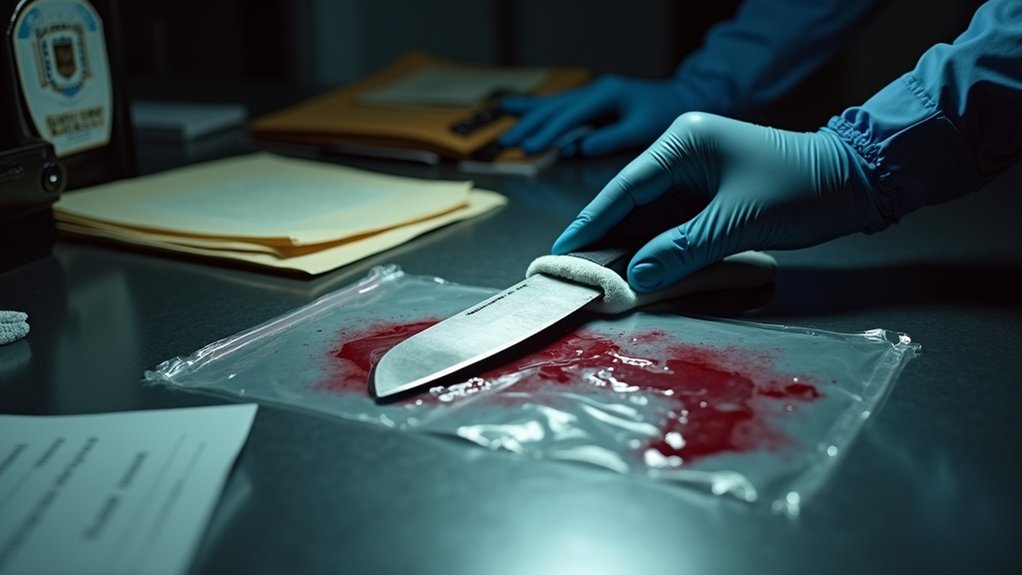
Tampering with evidence is altering, destroying, mutilating, concealing, placing, or fabricating evidence to interfere with an investigation or legal proceeding.
The offense isn’t limited to physical objects. You can face charges for tampering with records or documents, or for trying to influence how evidence is presented through another person. Under federal law, you don’t have to succeed. An attempt to destroy or hide evidence can lead to prosecution.
Intent matters. Federal law requires you to act corruptly, intending to impair an object’s integrity or availability for an official proceeding. State statutes may instead focus on whether you meant to prevent apprehension, prosecution, or conviction. Because definitions and intent requirements vary by jurisdiction, you’ll need to review the statute that applies to your situation.
What actions count as evidence tampering under the law
Evidence tampering covers destroying or hiding physical evidence, along with a wider range of conduct. You can face charges for actions such as:
- Altering or mutilating evidence: Changing a record, document, or object to impair its integrity for an official proceeding.
- Fabricating or planting evidence: Some states, including New Mexico, expressly cover placing or fabricating physical evidence.
- Acting through others: Persuading or intimidating someone to withhold, alter, destroy, or conceal evidence may qualify as federal witness tampering.
- Blocking communication: Preventing or delaying information about a possible federal offense from reaching law enforcement or a federal judge.
You don’t have to succeed, either. Federal law treats attempts as chargeable, so an unsuccessful effort to conceal or destroy evidence can still expose you to prosecution.
What the prosecution must prove
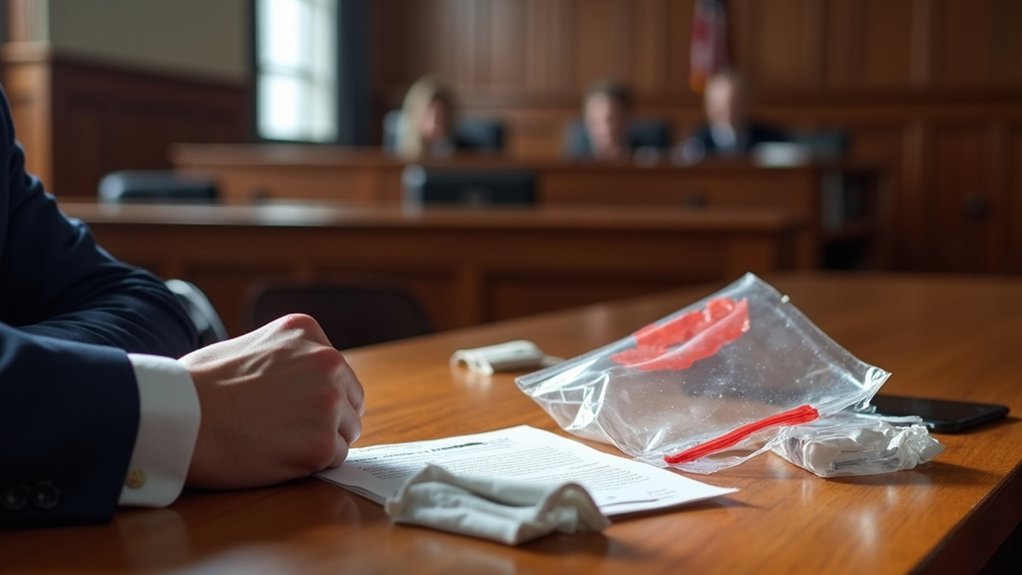
The prosecution must prove a prohibited act and the specific intent the statute requires to convict you of evidence tampering. First, prosecutors must show you altered, destroyed, concealed, or attempted to alter, destroy, or conceal an object. An attempt alone can satisfy this element.
Under federal law, prosecutors must also prove you acted corruptly, intending to impair the object’s integrity or availability for an official proceeding. If you’re charged with witness tampering, they must prove knowing intimidation, threats, corrupt persuasion, or misleading conduct aimed at influencing testimony or evidence.
State requirements differ. In New Mexico, prosecutors must prove you intended to prevent apprehension, prosecution, or conviction, or to cast suspicion on someone else. The jury may also decide the related underlying crime, which affects your charge’s severity.
What the penalties for a tampering conviction are
A tampering conviction can bring up to 20 or 30 years in federal prison, though the exact penalties depend on whether you’re charged under federal or state law, along with the specific conduct and intent prosecutors allege. Federal maximums are severe:
- Evidence destruction (§ 1512(c)): You face up to 20 years’ imprisonment, a fine, or both for corruptly altering, destroying, or concealing evidence, or attempting to.
- Witness tampering (§ 1512(b)): Corrupt persuasion or misleading conduct carries up to 20 years.
- Force-related tampering: Using or attempting physical force can bring up to 30 years. Threats of force can bring up to 20.
- Harassment: Hindering participation in proceedings can mean up to three years.
State penalties vary. In New Mexico, the grade depends on the related underlying crime, ranging from a third-degree felony to a petty misdemeanor. Your exposure turns on the applicable statute.
How tampering charges compare to obstruction of justice

Evidence tampering is often one form of obstruction of justice rather than a separate category. Federal obstruction provisions overlap, so your conduct could support more than one charge. Prosecutors may pair tampering with witness tampering or broader obstruction counts.
| Charge | What It Covers |
|---|---|
| Evidence tampering (§ 1512(c)(1)) | Corruptly altering, destroying, or concealing objects for an official proceeding |
| Obstruction (§ 1512(c)(2)) | Otherwise obstructing, influencing, or impeding an official proceeding |
| Witness tampering (§ 1512(b)) | Intimidating, threatening, or corruptly persuading others to withhold or alter evidence |
Both evidence tampering and obstruction under § 1512(c) carry up to 20 years, and attempts count even if they fail. State statutes apply their own definitions and penalties. Your exposure depends on the jurisdiction, the alleged intent, and the proceeding involved.
What defenses may apply to a tampering charge
Defenses to a tampering charge may include lack of corrupt intent, no connection to a proceeding, no prohibited act, and challenges to the underlying offense. Most of these target the elements the prosecution must prove, especially intent. If you can show your conduct lacked the required obstructive purpose, the charge may fail even if you handled the evidence. Common defense strategies include:
- No corrupt intent: Federal law requires you acted corruptly to impair evidence for an official proceeding, so routine deletion or disposal may not qualify.
- No connection to a proceeding: You may argue you didn’t know about, or intend to affect, any investigation or proceeding.
- No prohibited act: The prosecution must prove you altered, destroyed, concealed, fabricated, or attempted these acts.
- Underlying-offense challenges: In New Mexico, the related crime affects the offense grade, so disputing it may reduce your exposure.
Because statutes differ, you should have counsel review your jurisdiction’s specific requirements.
How Cobb Defense defends evidence tampering allegations
Cobb Defense defends evidence tampering allegations by building your defense around the specific elements the prosecution must prove. We start by identifying whether you’re facing federal or state charges, since the statutory wording, required intent, and potential penalties differ materially.
Next, we scrutinize the alleged act. Did you actually alter, destroy, conceal, or fabricate anything? Was the item connected to an official proceeding or investigation? We then challenge intent, because federal law requires corrupt conduct aimed at impairing evidence’s integrity or availability, and statutes like New Mexico’s require intent to prevent apprehension, prosecution, or conviction.
We also examine the underlying offense tied to the tampering, which can determine the charge’s grade. Finally, we evaluate overlapping obstruction or witness-tampering counts so you understand your full exposure and options.
Protect Yourself When Evidence Is in Question
Deleting a message or changing a record can create serious legal problems when prosecutors believe it was done to interfere with a case. If you’re being investigated for evidence tampering, Cobb Defense can examine the alleged conduct and help challenge the evidence prosecutors intend to use against you.
Call (770) 627-3221 or contact us before deleting, altering, or discussing potentially relevant evidence.
Frequently Asked Questions
Can Deleting Texts or Social Media Posts Count as Evidence Tampering?
It can, depending on what was deleted, why it was deleted, and whether the required intent for the applicable offense can be established. Deleting a message is not automatically evidence tampering simply because it may later become relevant to an investigation. Federal law can apply when someone corruptly alters, destroys, mutilates, or conceals evidence with the intent to impair its availability for an official proceeding. State law can define the offense differently.
Can I Be Charged With Tampering if No Investigation Has Started Yet?
Potentially, yes. Whether an investigation has formally begun is not necessarily the only question. Some evidence-tampering statutes focus on the defendant’s conduct, intent, and connection to an actual or contemplated official proceeding. The specific federal or state statute involved matters, as do facts showing what the person knew and intended when the evidence was altered or concealed.
Is It Tampering if I’m Never Charged With the Underlying Crime?
It can be. An evidence-tampering offense may be legally separate from the underlying crime, meaning prosecutors do not necessarily have to obtain a conviction for the original offense before pursuing a tampering charge. The precise requirements depend on the statute being charged, including what type of proceeding or investigation must exist and what intent prosecutors must prove.
Can a Failed Attempt to Hide Evidence Still Lead to Charges?
Yes. Some evidence-tampering laws expressly cover attempted conduct, so prosecutors may pursue a charge even when the evidence was not successfully destroyed or concealed. The State would still have to establish the elements required by the applicable statute, including any required intent. Whether an unsuccessful attempt constitutes a crime therefore depends on the specific law and circumstances.
Can Helping a Friend Hide Evidence Result in Tampering Charges?
Yes. Helping another person conceal, destroy, or alter evidence can potentially expose you to criminal liability when the applicable statute covers that conduct and the required intent is present. You do not necessarily avoid liability simply because the evidence relates to someone else’s case. The nature of your assistance, your knowledge, your intent, and the type of proceeding involved can all matter.