To get a no-contact order dropped, you’ll need to file a written motion with the clerk of the court that issued it. Only a judge can lift or change the order. The protected person can’t drop it, even if they agree. Include your case number, the relief you want, and clear reasons for ending or narrowing it. Until a judge signs a new order, obey the current one. Next, you’ll learn which evidence strengthens your request.
Key Takeaways
- File a written motion with the clerk of the court that issued the no-contact order, including the case number and requested relief.
- Only a judge can modify or end a no-contact order; the protected person’s agreement or consent cannot drop it.
- Support your request with changed circumstances, compliance with court instructions, and safety plans showing contact is unlikely to cause harm.
- Check local rules first to confirm filing rights, required forms, notice deadlines, and whether the order is criminal or civil.
- Follow the existing order until a judge signs a new one, since a pending motion does not pause or weaken restrictions.
How do you get a no-contact order dropped
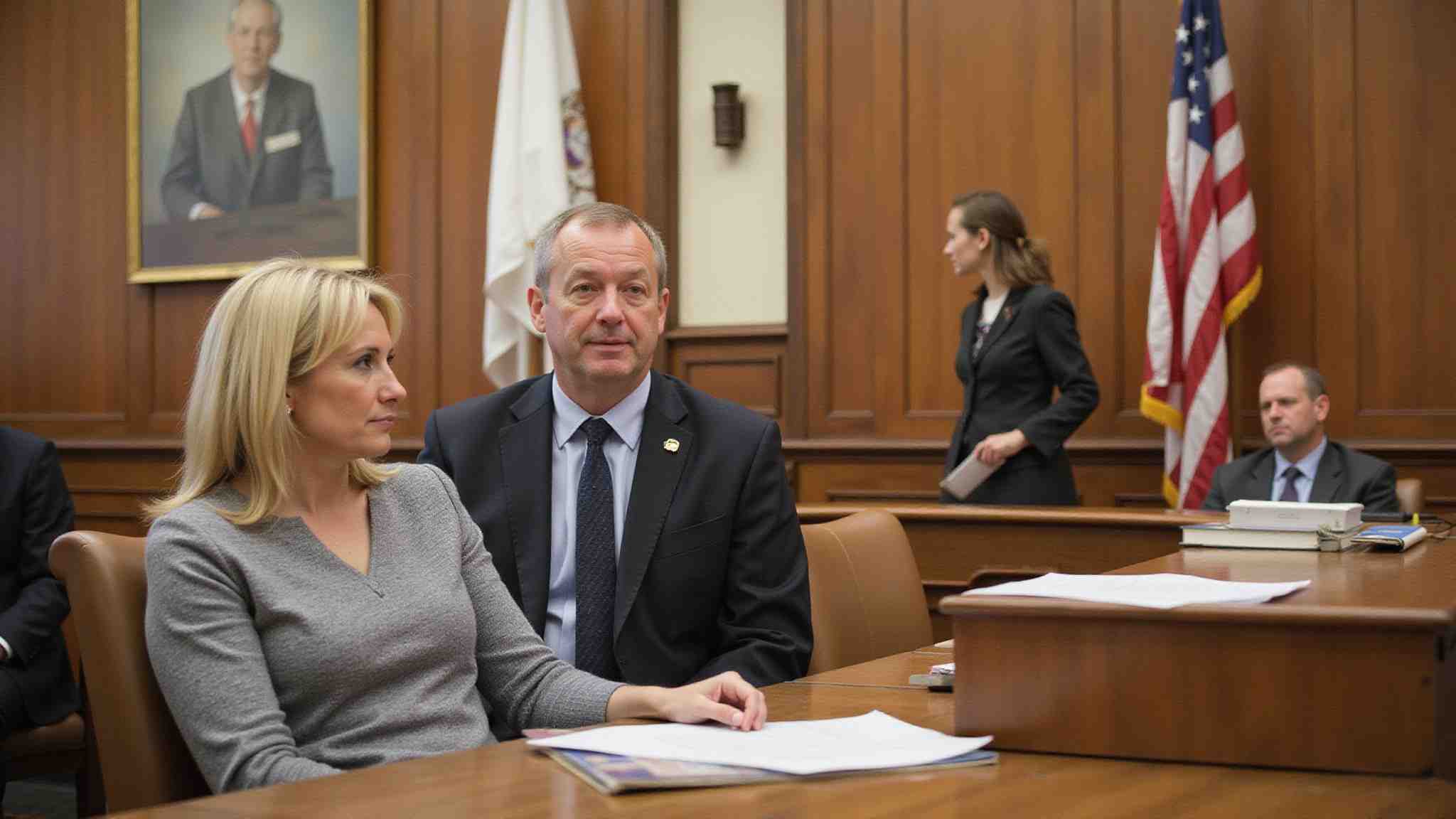
To get a no-contact order dropped, file a written motion with the clerk of the court that issued the order. Only a judge can change or end a no-contact order, so you can’t get one dropped by agreement with the protected person, even if they want contact. Include the case number, the relief you’re requesting, and clear reasons supporting termination or a narrower change, such as phone contact for childcare. Check local rules first, since who may file, required forms, and notice deadlines vary by jurisdiction. The judge may deny your request or schedule a hearing. If one’s set, attend and explain your reasons directly. Until a judge signs a new order, keep obeying the existing one. Filing a motion doesn’t suspend or weaken its restrictions at all.
What a no-contact order is and why it was issued
A no-contact order is a court order issued by a judge, either as a condition imposed in a criminal case or as a civil protection order. Each type follows different procedures that also vary by jurisdiction, so figure out exactly what kind of order you’re dealing with before you file anything.
Pull out your copy of the order and identify:
- The issuing court
- The case number
- The order date
- Whether the case is criminal or civil
These details tell you where to file, which forms apply, and who may request a change. Check the order and local court rules to confirm your filing rights.
Don’t assume the protected person can end the order by agreeing to contact. A judge issued it, and only a judge can modify or terminate it. Until then, follow every restriction.
What the legal process for modifying or lifting one is

The legal process for modifying or lifting a no-contact order requires filing a formal request with the clerk of the court that issued it or that’s handling the underlying case. First, identify the case number, order date, and whether the order stems from a criminal case or a civil protection matter, since procedures differ. Get the court’s motion form, and state the relief you want and your reasons clearly. You can request a narrower change, such as phone contact for childcare, rather than full termination.
Only a judge can grant it. An agreement between the parties won’t. The judge may deny the request outright or schedule a hearing, which you must attend. Until a judge signs a new order, keep following the existing one exactly.
What evidence supports a request to drop it
Evidence that supports a request to drop or change the order includes facts showing the change is appropriate and safe, because a judge, not the other party, makes the decision. Idaho instructions call for as much relevant information as possible, and courts may weigh the totality of the circumstances. Support your request with:
- Changed circumstances: Explain what’s different now and why contact is unlikely to cause harm.
- Case status and compliance: Show where the criminal case stands and that you’ve followed court instructions or your sentence.
- Safety plans: Describe any alternative safety measures that would protect the protected person.
- Limited-need justification: If full termination isn’t necessary, explain how narrower contact, such as email about childcare, meets the need.
Weak or vague requests may be denied without a hearing.
How modifying a no-contact order compares to violating one

Modifying a no-contact order is a court process in which a judge signs a new order, while violating one is making contact the current order prohibits. Your obligations change only when the judge signs. Until then, any prohibited contact remains a violation, even if you’ve filed a motion.
| Action | Modification | Violation |
|---|---|---|
| Who decides | A judge | You, unilaterally |
| Process | Written motion, notice, possible hearing | None |
| Protected person’s consent | Doesn’t control the outcome | Doesn’t excuse contact |
| Result | Signed order with defined terms | Possible arrest or new charges |
If the protected person contacts you, don’t respond in a way the order forbids. Informal approval from anyone, including a prosecutor or officer, doesn’t change the order. Pursue the lawful route: file your request, attend every hearing, and wait for the signed order. Then review its effective date and exceptions before you make any permitted contact.
Why you should never contact the other party before it’s lifted
Contacting the other party before a judge signs a new order puts both your freedom and your request at risk. Filing a motion doesn’t pause the order’s restrictions. Until the court issues a modified or terminating order, the existing one still controls.
Avoid these common mistakes:
- Assuming your motion changes anything. A pending request doesn’t suspend the order.
- Relying on the protected person’s permission. Only a judge can change or end the order.
- Answering contact they initiate. Their outreach doesn’t excuse your response either.
- Acting on informal approval. Verbal assurances aren’t signed court orders.
A violation can lead to new charges and give the judge clear reason to deny your request. Wait for the signed order, then review its permitted contact and restrictions carefully before acting.
How Cobb Defense helps clients petition to modify no-contact orders
Cobb Defense helps you petition to modify a no-contact order by building a request the judge can grant. We start by identifying your order type, issuing court, case number, and date, then confirm who may file and which forms your court requires. We help you state the requested relief clearly, whether that’s full termination or limited contact for childcare or finances, and support it with relevant facts, safety plans, and proof of compliance. We handle filing, service, and notice deadlines, and we prepare you to explain your reasons directly to the judge. After the judge rules, we review the signed order’s effective date, exceptions, and continuing restrictions. Until then, you must follow the current order exactly. Filing a motion doesn’t suspend it.
Ask the Court to Modify the Order
Wanting contact restored does not automatically end a no-contact condition. If the restriction is part of your Georgia criminal case, Cobb Defense can review the order and pursue the appropriate criminal defense strategy, including seeking a modification when the circumstances support it.
Call (770) 627-3221 or contact us before contacting the protected person.
Frequently Asked Questions
Can the Protected Person Ask the Judge to Drop the No-Contact Order?
A protected person can ask the court to modify or terminate a protective order, but they cannot cancel a court order themselves. In Georgia, only the court can dismiss or modify a protective order. The procedure depends on whether the restriction is a civil protective order, a criminal bond condition, or another type of court order. Until the judge officially changes the order, its existing terms remain enforceable. Georgia Courts
How Long Does It Take for a Judge to Decide on My Request?
There is no single Georgia deadline that applies to every request to modify or terminate a no-contact order. The timing depends on the type of order, court, procedural requirements, and the judge’s schedule. Some matters require a hearing, while others may be handled under the court’s applicable procedures. The existing order remains in effect while a request is pending unless the court changes it.
If My Request Is Denied, How Soon Can I File Again?
There is no universal Georgia waiting period for every request involving a no-contact order. Whether another request can be made depends on the type of order, the reason for the previous denial, and the circumstances that have changed since the original request. A new request is more meaningful when there is a legitimate change in circumstances rather than simply repeating the same arguments.
Can a No-Contact Order Be Changed to Allow Contact About Our Children?
Possibly. A court may have authority to modify the terms of an order to address issues such as child custody, visitation, or necessary communication, depending on the type of order and the circumstances. A request should be made through the court rather than by simply agreeing with the protected person to resume contact. Until the court officially modifies the restriction, follow the existing no-contact terms.
Will Law Enforcement Be Notified Once My No-Contact Order Is Modified or Lifted?
A modification or termination can be transmitted to law enforcement and entered into the applicable protective-order records, but the exact procedure depends on the type of order. Georgia maintains a Protective Order Registry and requires information about qualifying protective orders to be transmitted through established procedures. Do not rely on a verbal statement that the order has been lifted. Confirm that the court has entered the signed modification or termination before changing your conduct.